
Last updated November 24, 2026
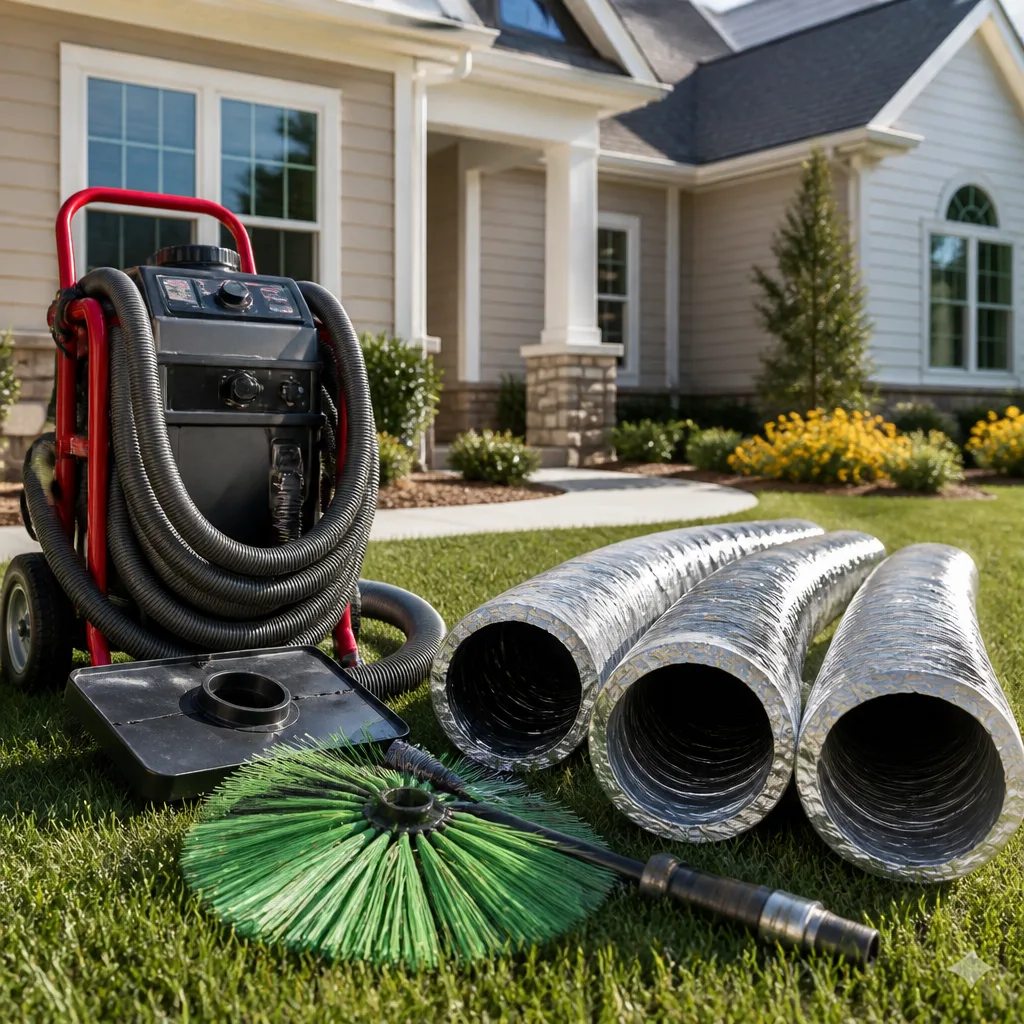 Whole-home duct cleaning
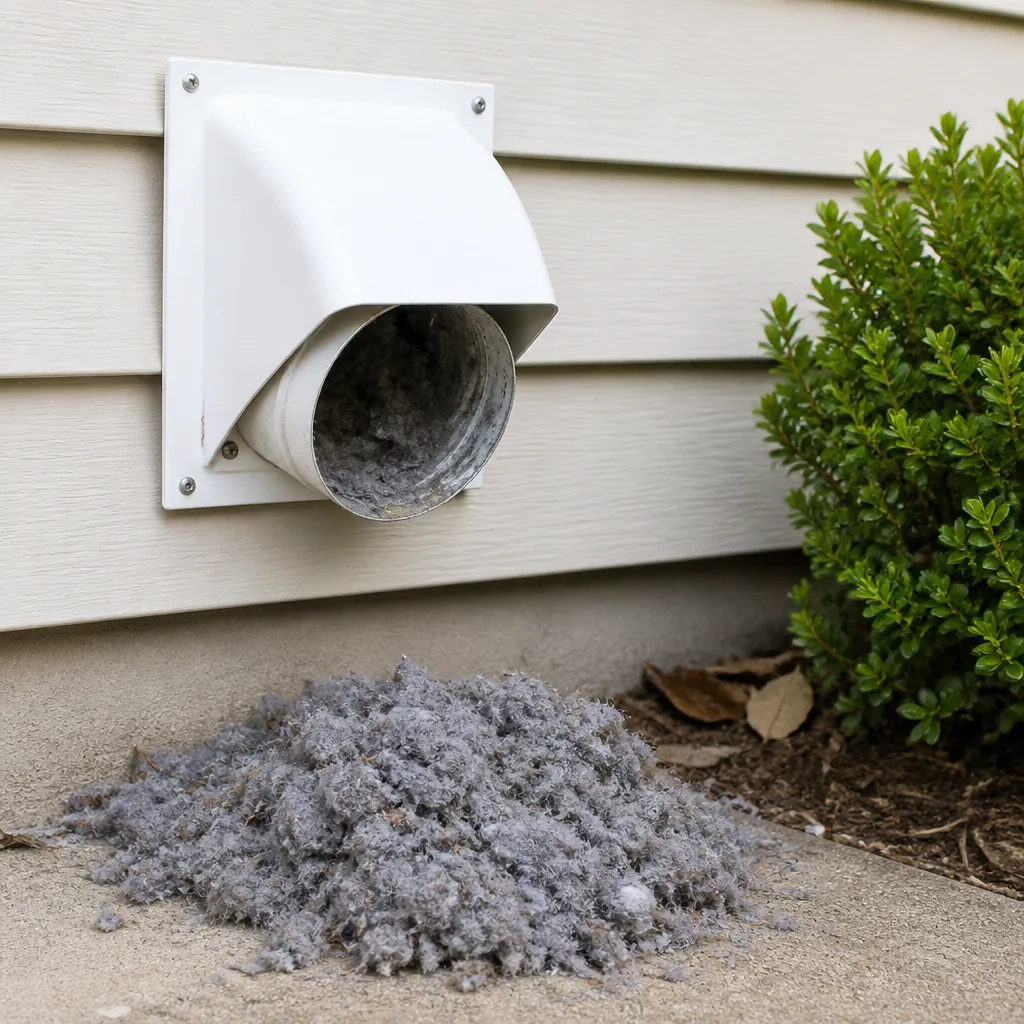 Dryer vent cleaning
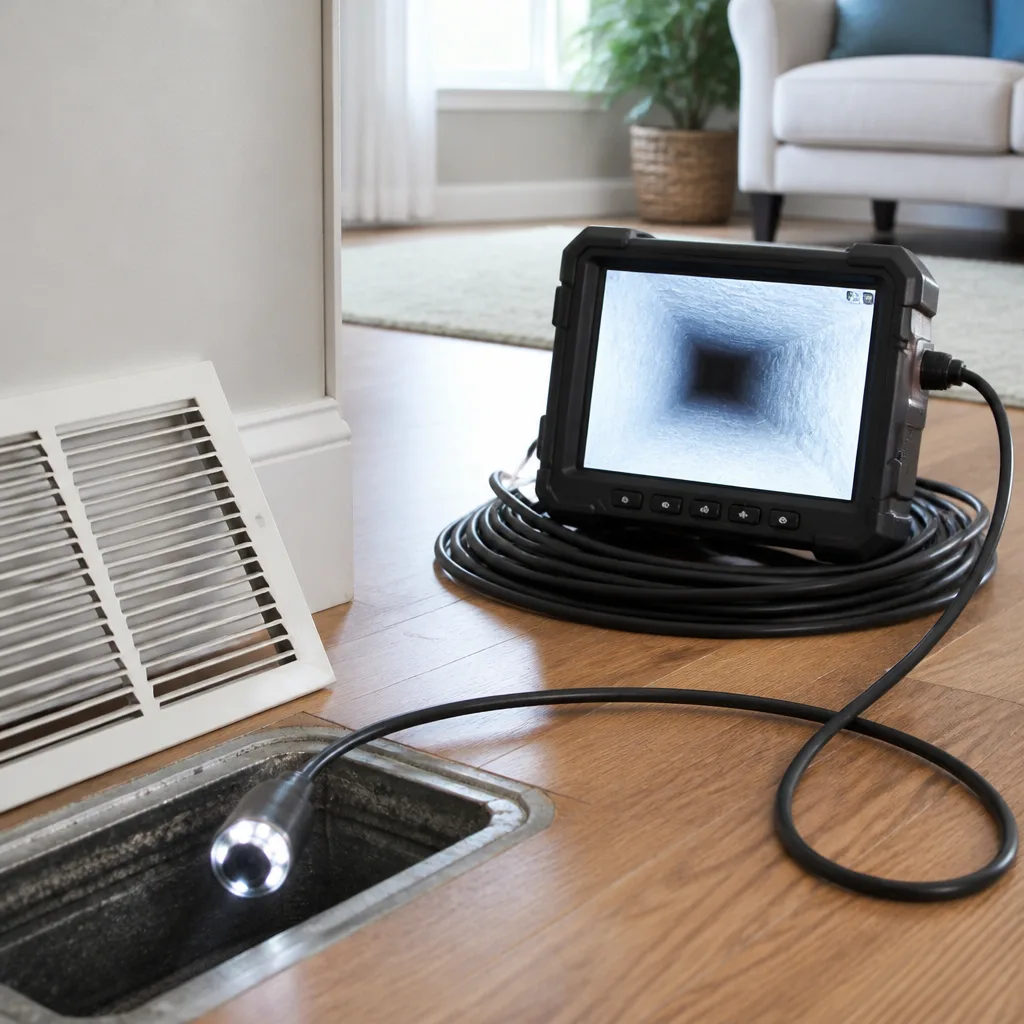 Camera inspection
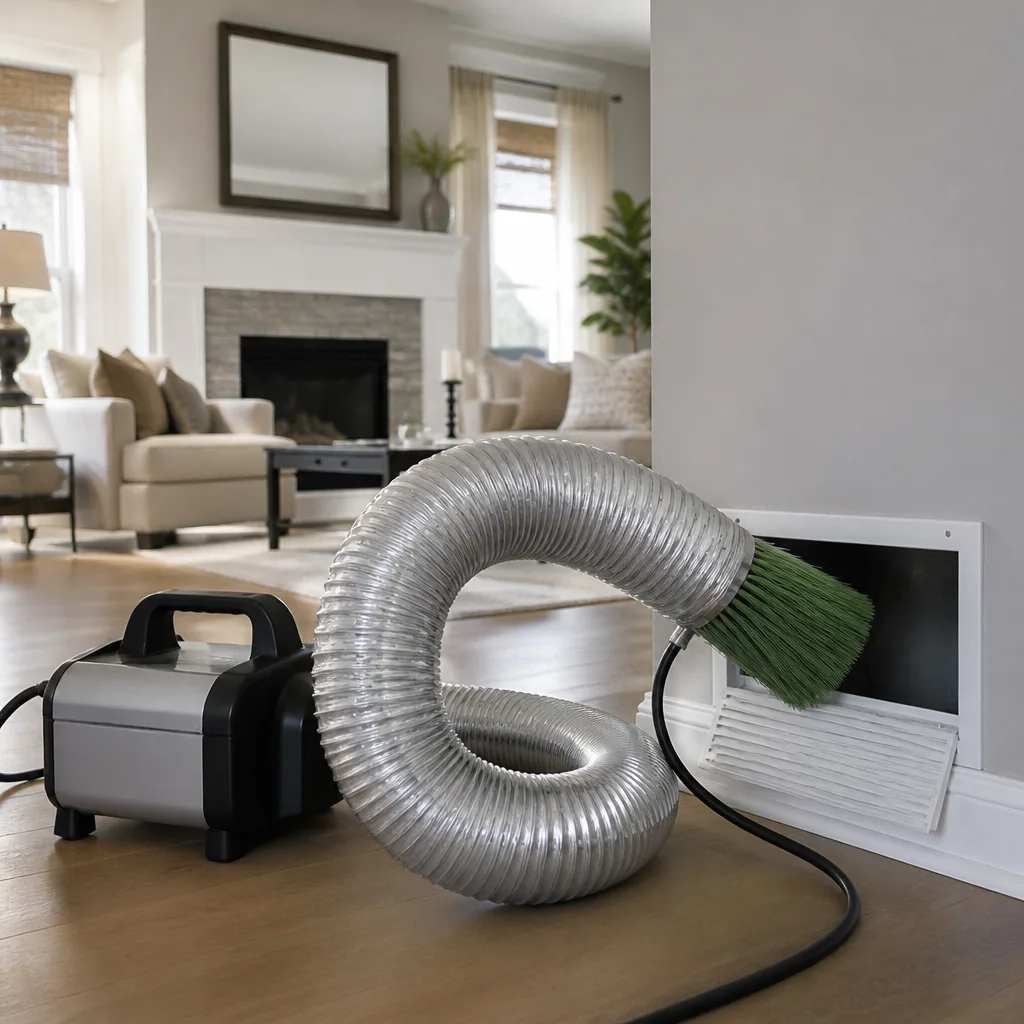 Sanitizing & deodorizing
Whole-system duct and dryer vent check with before-and-after photos - you see exactly what came out of your vents
That "$99 whole-house special" is a bait ad - the real number appears once they are in your hallway, or the "clean" is a shop-vac at the register. We photograph the inside of your ducts before and after instead.
Air Duct Cleaning Emergency Preparedness Guide for Riverton Homes
Most homeowners treat the duct system as an afterthought in an emergency. The fire is out, the water is pumped, the shaking has stopped – and the ducts get forgotten until a musty smell or a scratchy throat shows up weeks later. That order is backwards. Your duct system is a shared highway: every return pulls air from multiple rooms and every supply pushes it back out, so a single contaminated plenum can move soot, smoke, mold spores or dust into every part of the house at once. Getting the HVAC system right in the first 48 hours after an emergency is often the difference between a cleaning job and a full remediation project. This guide lays out the specific protocols Riverton homes need for wildfire smoke, flooding, and seismic events, plus what to document, what to keep on hand, and when to call us.
Quick Answer
After a fire, flood, or earthquake in Riverton, shut the HVAC system off, seal or close the fresh-air intake, upgrade the filter temporarily, and get a professional duct inspection before you run the system again. In a flood, treat ducts as contaminated even if water never visibly entered them, and act inside the 72-hour mold window. For wildfire smoke, containment and filtration matter more than cleaning in the first hours. Document everything before anyone touches the system.
Styles & brands we work with
- Whole-home duct cleaning
- Dryer vent cleaning
- Camera inspection
- Sanitizing & deodorizing
Table of Contents
- Wildfire Smoke Protocol for Riverton Homes
- Post-Flood Duct Response and the 72-Hour Window
- Earthquake Damage Checklist Before You Run the HVAC
- What to Document for Insurance Before Cleanup Starts
- Building an Indoor-Air Emergency Kit
- Shelter in Place or Evacuate? Reading Your Duct System
- A Room-by-Room Emergency Response Sequence
- Common Mistakes to Avoid
Wildfire Smoke Protocol for Riverton Homes
When smoke settles over the Salt Lake Valley and the air quality index climbs into the Red or Purple range, your duct system becomes either your best defense or your worst vulnerability. Which one depends entirely on how you operate it during the event. Here’s the sequence we recommend for Riverton homes during and immediately after a major smoke event.
The core problem is that a standard HVAC system runs an open loop. It draws return air from inside the house but also pulls in outdoor air through the fresh-air intake, and every leaky duct joint in an attic or crawlspace adds more unfiltered air to the mix. During a smoke event, that intake is pulling the worst possible air into the house.
- Shut the system down. Turn off the thermostat in heating, cooling, and fan-only modes. A running system pulls smoke through the return grilles and redistributes it into every room. If you must run cooling for heat safety, close the outdoor intake first.
- Close the fresh-air intake. Find the intake damper – usually near the air handler or on the outside wall of the mechanical closet – and close it. If you can’t find it, seal the intake grille with painter’s tape and plastic sheeting.
- Upgrade the filter temporarily. Install the highest MERV-rated filter your system’s blower can handle without excessive static pressure. A Honeywell or Aprilaire filter cabinet makes this upgrade straightforward, but even a temporary high-MERV filter in a standard slot helps. Change it more often than usual during the event.
- Seal windows and doors. Use weatherstripping or tape around gaps. Run a portable HEPA air cleaner in the room where you’re spending the most time.
- Schedule an inspection within seven to fourteen days of the smoke event. That’s when we look for soot accumulation in the return plenum, filter bypass, and duct-joint intrusion. A cleaning may not be needed after every smoke event, but an inspection almost always is.
If the smoke event is prolonged, the cleaning window extends. Soot that settles inside ductwork doesn’t evaporate, and it degrades indoor air quality for months until the system is cleaned. Our air duct cleaning service uses Rotobrush contact-cleaning tools that scrub the duct walls rather than just blowing dust through the system, which is what post-smoke cleanup actually requires.
Post-Flood Duct Response and the 72-Hour Window
Riverton’s proximity to the Jordan River and its older neighborhood drainage patterns mean that even moderate flooding events can put water in basements and crawlspaces. What most homeowners miss is that duct contamination doesn’t require visible water entry. High humidity alone – the kind that lingers for days after a flood – raises moisture levels inside the duct system enough to support mold growth on the lining and interior surfaces.
The standard window for mold colonization after a moisture event is about 72 hours. That’s not a scare tactic; it’s the reason professional response timing matters so much in a flood scenario. Once spores establish on a duct surface, cleaning without sanitizing leaves the problem intact.
Treat ducts as contaminated even without visible water
If your basement or crawlspace flooded, assume the ducts running through that space are compromised. Unsealed duct joints in an unconditioned space absorb moisture from the surrounding air. Flexible duct with a foil or fiberglass liner can trap it. A duct cleaning crew’s first step in these cases is a moisture assessment of the duct runs nearest the flood zone, followed by containment using Abatement Technologies negative-air equipment so that debris and spores don’t blow into living areas during the work.
What a professional flood response covers
- Moisture inspection of duct runs in the flood zone
- Containment setup before any cleaning begins
- Full HVAC cleaning including the air handler, coils, and blower compartment
- Duct cleaning with contact tools, not just vacuuming
- Sanitizing of the cleaned system with an EPA-registered product
- Repair or replacement of any flex duct with waterlogged insulation – it can’t be salvaged
- Duct sealing to close the joints that let moisture in to begin with
That last step is what distinguishes a full remediation from a partial one. Our duct repair and sealing capability means we can diagnose and close the leaks that allowed the flood moisture in, so you’re not repeating this exercise the next time water rises. If the flood was driven by a sump failure or roof leak rather than river flooding, the same protocol applies – moisture is moisture.
Earthquake Damage Checklist Before You Run the HVAC
The Wasatch Front’s seismic risk is real, and Riverton sits inside it. Most of what we hear after a felt earthquake is about foundation cracks and picture frames, not ductwork. But a duct system is a network of rigid metal and flexible connections running through the attic, crawlspace, and wall cavities – exactly the places where a seismic shake causes hidden damage.
Before you turn the HVAC back on after an earthquake, walk through this checklist. If you can’t access a section (attic hatch, crawlspace entrance), that’s the section that needs professional inspection.
- Visual check at the supply registers. Look inside each supply grille with a flashlight. Dislodged duct, visible dust clouds, or a register that has shifted position all indicate duct joint separation upstream.
- Inspect the attic and crawlspace duct runs. Look for duct runs that have pulled loose from the plenum, disconnected flex joints, crushed sections under fallen insulation, or flex duct hanging off its supports.
- Check the air handler and plenum connections. The plenum is the box that connects the air handler to the duct system. Seismic movement can displace it, opening a gap between the unit and the ductwork. Look for a visible gap, torn mastic, or a connection that has shifted.
- Check gas-line proximity. If the air handler is gas-fired, look for any gas line that runs near or through the HVAC cabinet or plenum. If a gas line appears bent, kinked, or in contact with displaced metal, shut off the gas at the meter and call your gas utility before doing anything else. Do not operate a gas appliance with an uncertain gas line.
- Look for soot or dust deposits on the outside of duct runs. Dust streaks are a strong indicator of air leaking under pressure – a sign of a joint separation.
- Check the filter cabinet. If the filter has shifted or the cabinet door has popped open, the system has been pulling unfiltered air. Don’t run it until the cabinet is secured.
If any of those checks turn up a problem, leave the system off and call us. Our technicians have up to 9 years of experience diagnosing duct system damage, and we carry the equipment to repair and re-seal joints on-site. Riverton Air Duct Cleaning handles the whole system, so the assessment, repair, and any necessary cleaning happen in one visit rather than three.
What to Document for Insurance Before Cleanup Starts
Insurance claims for duct damage hinge on documentation that most homeowners don’t think to gather until the remediation crew is already working. Once the ducts have been cleaned, the evidence is gone. The adjuster can’t confirm what was there. Get the documentation first, then schedule the work.
Photos and video to take before touching the system
- Each visible supply and return register with the grille removed, photographed straight-on with good lighting
- Wide shots of the air handler, plenum, and any visible damage to duct runs
- Video footage of attic and crawlspace duct runs, narrated with location descriptions
- Close-ups of any dust, soot, mold, or water deposits inside registers and on duct surfaces
- Photos of water line marks in the basement or crawlspace after a flood – these support the moisture claim
- Photos of the filter itself before removal, showing color and condition
Air quality and moisture readings
If you own a portable air quality monitor or a hygrometer, note the readings before cleanup. Professional readings taken by a cleaning contractor as part of a documented assessment carry more weight, which is one reason to have us in before the insurance claim is filed. Our inspection reports describe what we found, where, and what the recommended response is – a format most adjusters recognize.
Professional assessment reports
Ask for a written assessment describing the condition of the duct system, with photographs attached. If mold is suspected, a report from a licensed mold assessor may be required by your insurer; we can provide the duct system assessment that supports that report. Combine these documents with the contractor estimate in one file for your claim.
We’ve worked with plenty of Riverton homeowners on insurance claims after fire, flood, and wind events. The paperwork is never the fun part, but it’s the difference between a claim that pays and one that comes back with questions.
Building an Indoor-Air Emergency Kit
A general household emergency kit covers water, food, and first aid. It doesn’t cover the indoor air problem. This is the list we recommend adding to your kit specifically for the HVAC and duct system.
Contact and documentation
- Our phone number on the refrigerator and in your phone: (844) 569-6963. We answer 24/7.
- A printed copy of the HVAC system model and serial numbers, filter size, and thermostat brand
- Photographs of the system and duct layout stored in cloud backup
- Your insurance policy number and the claims phone line – not the same as your agent’s office number
Equipment
- Two or three spare filters of the correct size, including at least one high-MERV option for smoke events
- Roll of painter’s tape and a sheet of 6-mil plastic for sealing intakes and windows
- A portable HEPA air cleaner rated for the square footage of your main living area
- Flashlight with a small flexible head for inspecting inside registers
- N95 or P100 respirator masks for anyone doing the register inspections
- A small hand-held hygrometer for checking humidity levels after a flood
Procedure sheet
Write down, in your own hand, how to shut the HVAC system off at the breaker, how to close the fresh-air intake, and where the gas shutoff valve is for a gas-fired air handler. Laminate it and tape it inside the mechanical closet door. In an emergency, remembering the shutdown order is harder than it sounds.
If you already have a Honeywell or Aprilaire air-quality system installed, add the model to your inventory. If you don’t, a post-emergency conversation with us about adding one is often the best long-term preparedness step a Riverton homeowner can take.
Shelter in Place or Evacuate? Reading Your Duct System
When an emergency drives the decision to shelter in place or leave, your duct system is one signal among several – but it’s a signal most people ignore. Here’s how to read it quickly.
Signals that sheltering in place is reasonable
- The HVAC system is functioning, the outdoor intake is closed, and filters are intact
- No visible smoke or soot entering registers when the system runs
- Duct runs through accessible spaces that you’ve inspected and found intact
- Portable air cleaner running in the room you’re sheltering in
- No gas odor and no visible gas-line damage near the air handler
Signals that argue for evacuation
- Smoke is clearly entering through registers even with the system off
- Suspected duct-joint separation in the attic or crawlspace, plus smoke outside
- Any gas smell, damaged gas line, or gas-fired appliance that hasn’t been inspected after an earthquake
- Floodwater in the crawlspace or basement, with duct runs passing through it
- Visible mold growth on registers or duct surfaces
The key idea is that a compromised duct system removes your ability to control indoor air. If the envelope around your duct system is compromised and the outside air is dangerous, evacuation is often the safer call. Evacuate early rather than late. Once roads congest and the sky turns orange, the decision gets harder, not easier.
A Room-by-Room Emergency Response Sequence
This is the sequence we recommend for a homeowner who has just come through a fire, flood, or major earthquake in Riverton. It’s the same sequence we follow when we’re called to a system emergency, compressed into homeowner-level actions.
- Safety first. If there’s fire, gas, or structural damage, leave and call 911. The ductwork can wait.
- Shut the HVAC off at the thermostat and the breaker. Never leave a system running into a contaminated or damaged duct network.
- Close the fresh-air intake and any outdoor dampers. Tape and plastic over a stuck intake are fine as a temporary fix.
- Document. Photos, video, readings – before you touch anything else.
- Do a register-level inspection. With a flashlight, look inside each supply and return. Note dust, soot, water stains, dislodged duct, or shifted registers.
- Install a temporary filter upgrade if the system can be re-run safely. If the system can’t be re-run, install the standard filter anyway to prevent debris from being pulled in.
- Book the professional assessment. Call (844) 569-6963. We answer 24/7. A call outside dispatch hours is booked into the next opening, Sunday through Friday, 7am to 7pm. We come out, contain the system, inspect the whole duct network and air handler, and give you a written assessment before any work begins.
- Clean, sanitize, and seal. Cleaning without sealing is a short-term fix. Our duct repair and sealing service closes the leaks that let contamination in during the emergency in the first place.
Common Mistakes to Avoid
- Running the HVAC system through the emergency. The instinct is to keep the house comfortable. During smoke, flood, or post-earthquake conditions, running the system is the fastest way to spread contaminants through every room. Shut it off first.
- Skipping documentation in the rush to clean up. Insurance adjusters want evidence. Photos, video, moisture readings, and a professional assessment report all support your claim. Once the ducts are cleaned, that evidence is gone.
- Assuming that flood-contaminated ducts require visible water entry. High humidity alone supports mold growth inside duct systems, especially in Riverton’s crawlspace-vented homes. Treat them as contaminated until a professional confirms otherwise.
- Waiting past the 72-hour mold window. Homeowners often wait a week or more to call after a flood because the ducts look fine. By then, colonization has started. Call the day of the event if possible.
- Buying a cheap filter and calling it done. A temporary MERV upgrade helps during a smoke event, but the system still needs professional inspection and cleaning if soot accumulates. A filter changes the air, not the duct walls.
- Trusting a shop vac and a dryer-vent brush after a wildfire. Consumer tools stir up soot and redistribute it into living areas. Professional cleaning with Rotobrush contact tools and Nikro HVAC vacuums is what actually removes surface deposits from duct interiors.
- Skipping the gas line check after an earthquake. If the air handler is gas-fired, a bent or kinked gas line needs your gas utility’s attention before the system runs again. That’s not a DIY repair.
See the difference
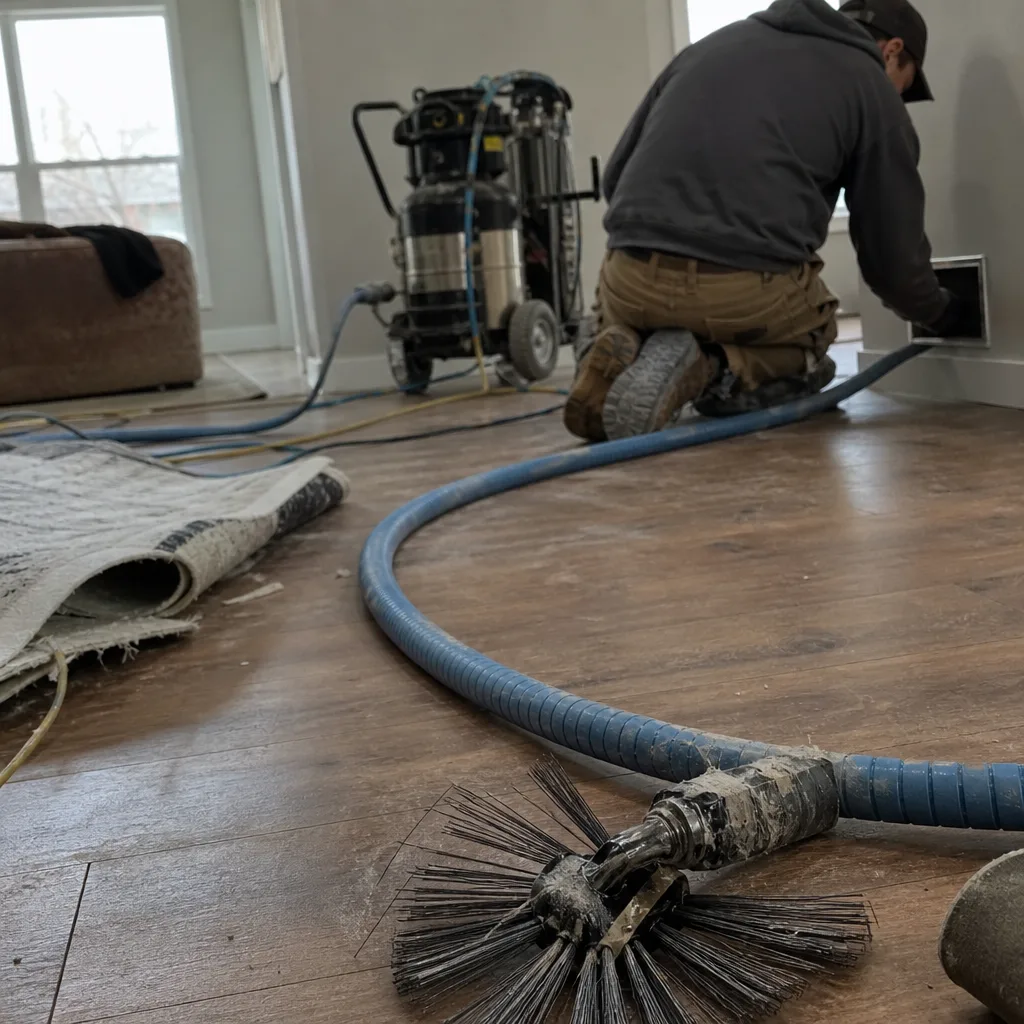 Before
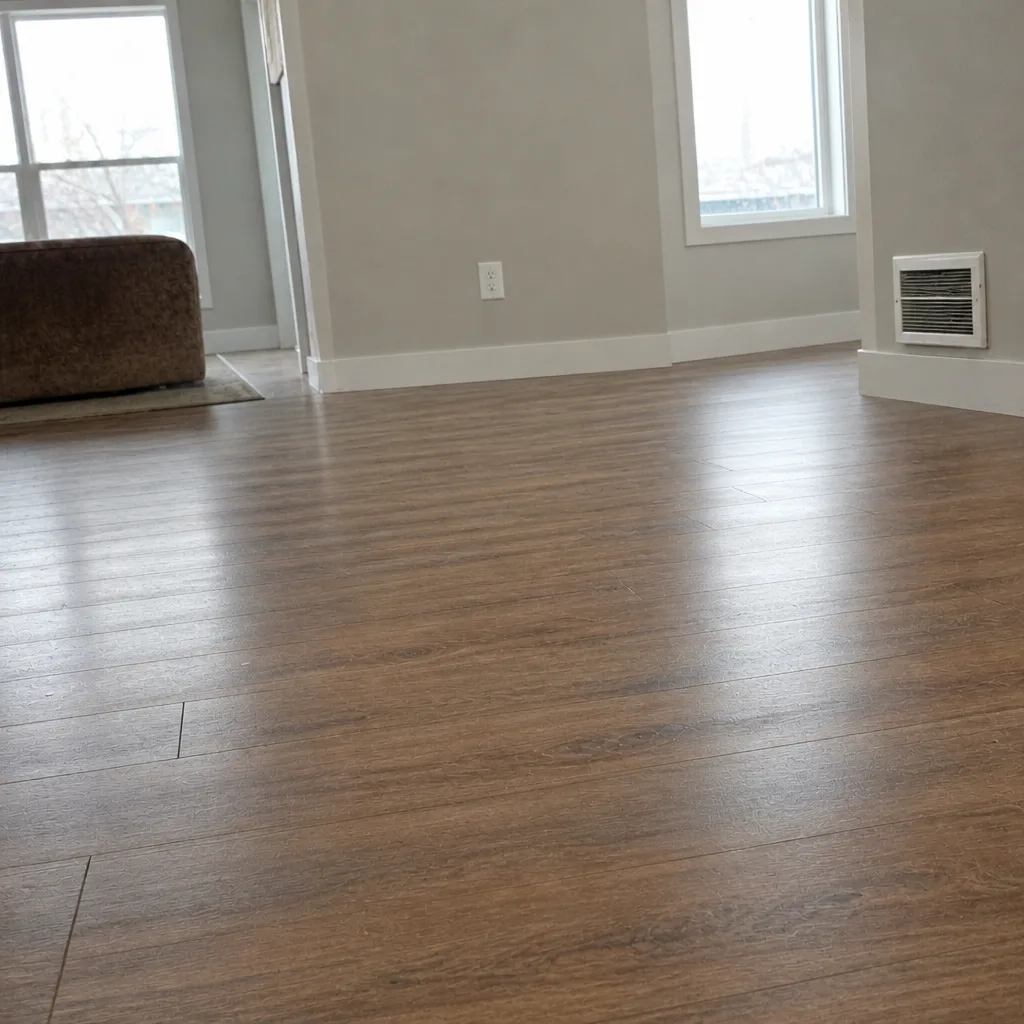 After
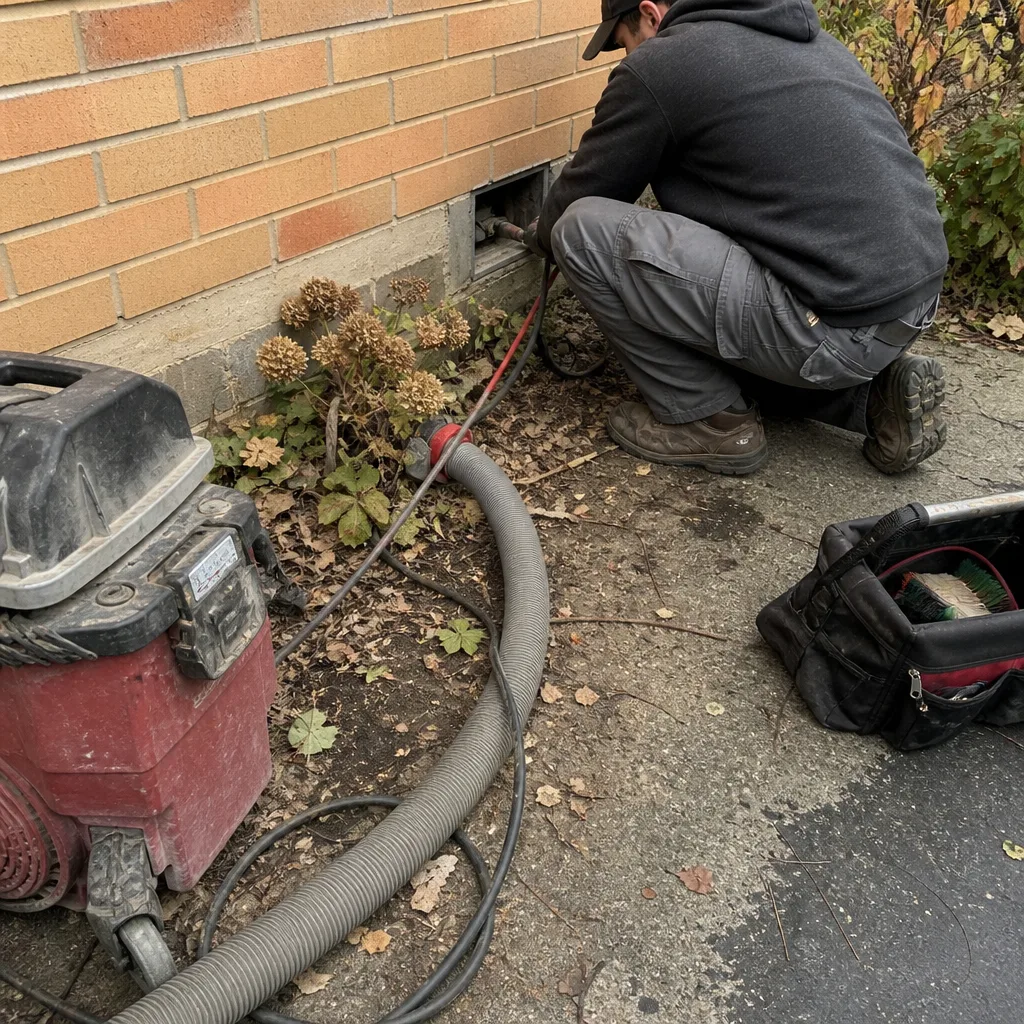 Before
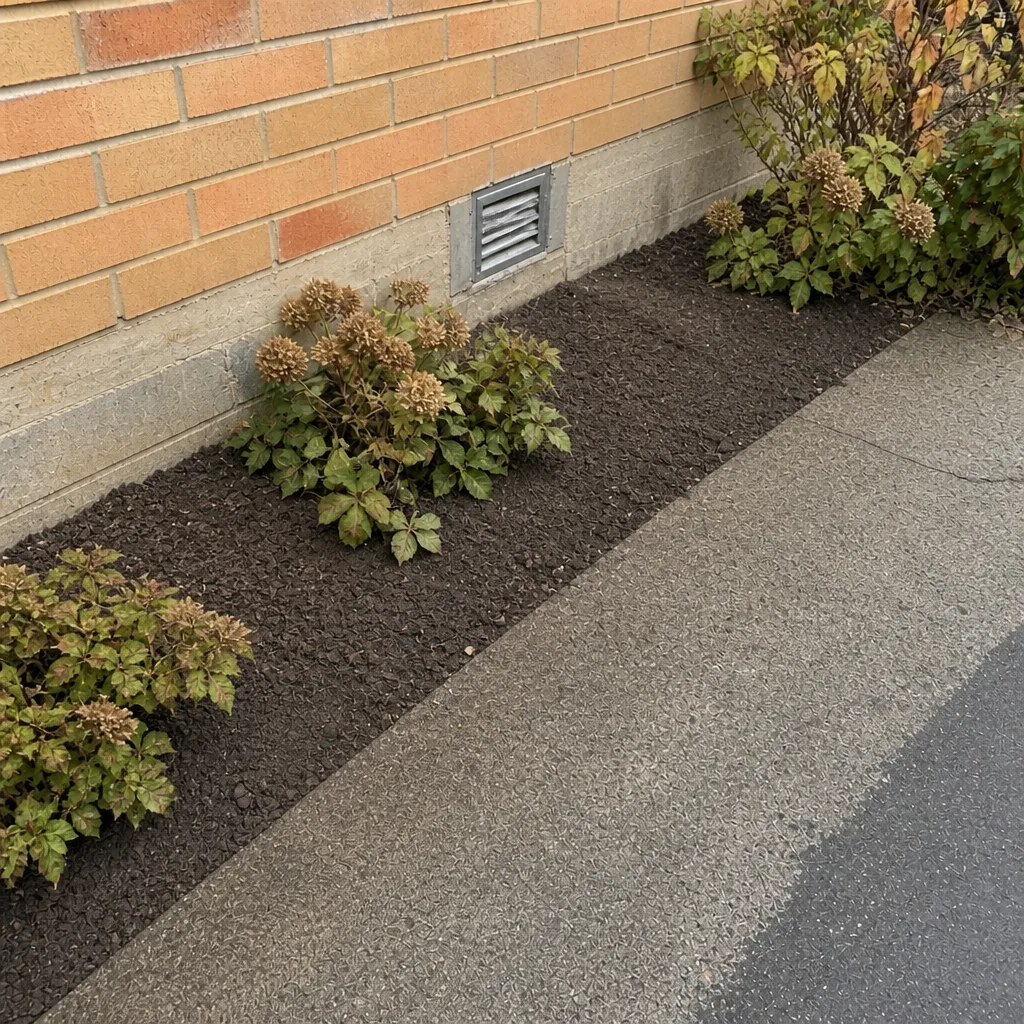 After
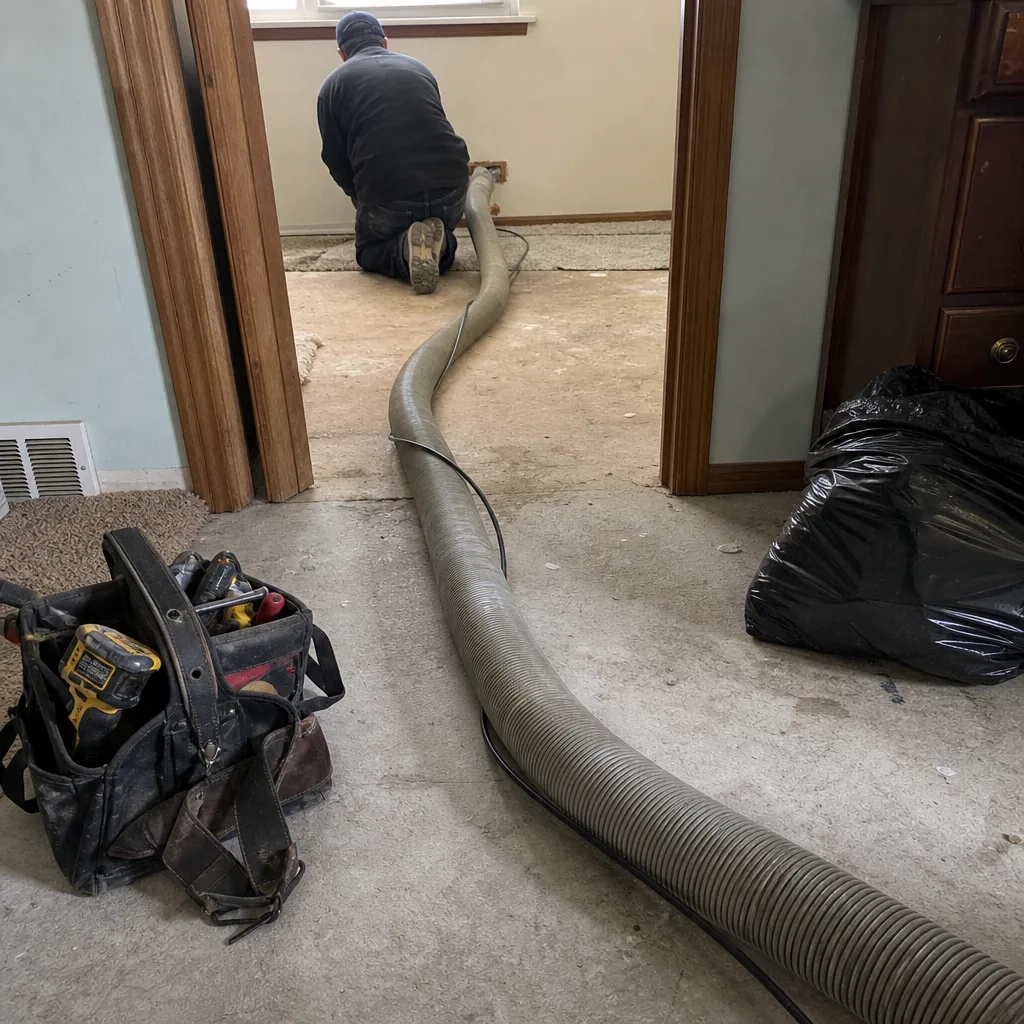 Before
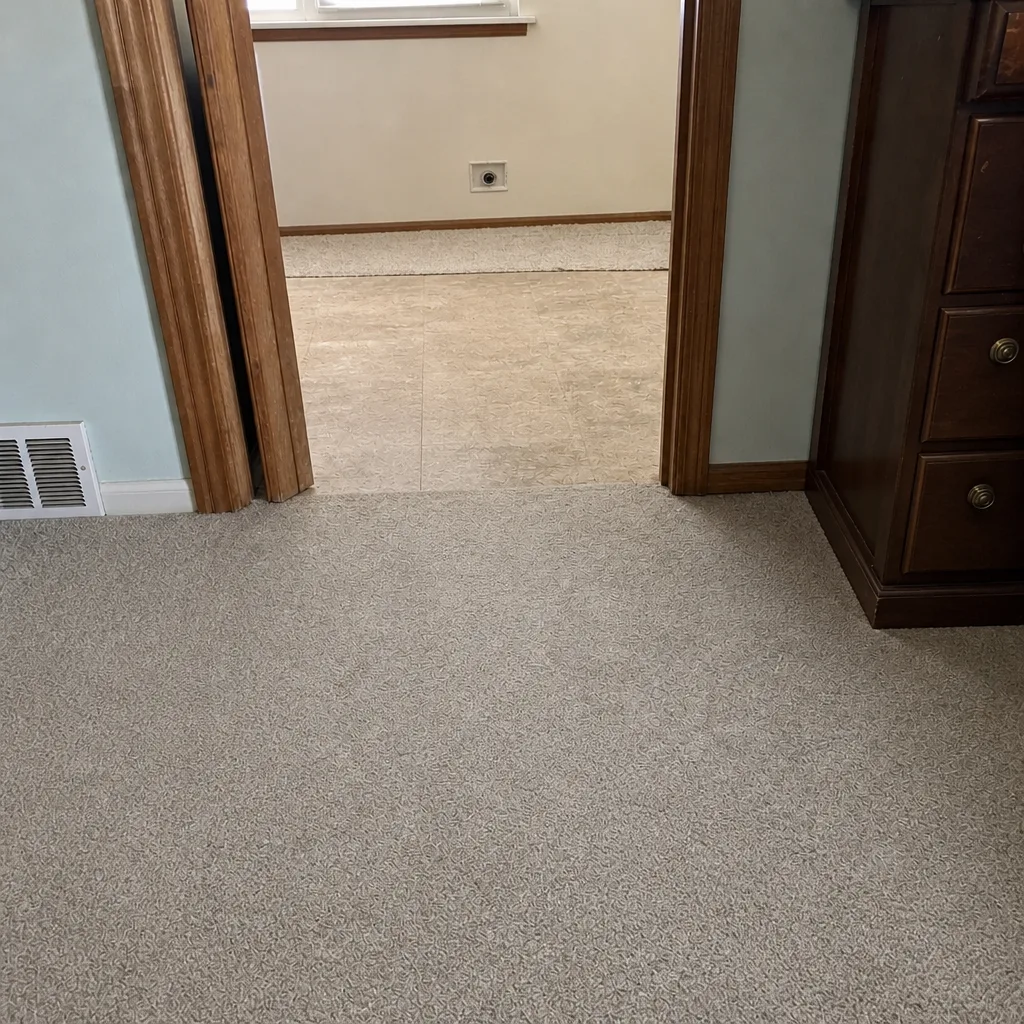 After
When to Call a Professional
Call us for any duct system emergency that involves fire, smoke, water, or earthquake damage, and especially for any scenario where you suspect moisture inside the ducts. We’re also the right call for a duct system that’s producing a musty smell after a flood, visible soot around registers after a wildfire, or a system that’s been running with an unsecured plenum following a seismic event. If you’re scheduling a post-emergency assessment, our free estimates in Riverton make that first conversation easy – call (844) 569-6963. We answer 24/7.
Beyond emergencies, call us when you notice persistent dust, allergy symptoms that worsen at home, musty odors, or a spike in your energy bills – these are the duct and HVAC issues that the duct system can reveal if someone actually looks inside. Our dryer vent cleaning service is a separate but related emergency-preparedness step: a clogged dryer vent is a leading household fire cause, and a dedicated safety service is worth scheduling on its own. Our technicians have up to 9 years of experience working with residential and commercial duct systems throughout Riverton and we come equipped with the professional tools – Rotobrush, Nikro, and Abatement Technologies – to handle whatever the duct system turns up, including repair and re-sealing.
Frequently Asked Questions
Expect a whole-system cleaning to fall in a typical range that depends on the size of the home, the number of registers, the accessibility of the duct runs, and whether sanitizing or repair work is included. We give you one flat price per system, agreed in writing before the work starts, so there’s no per-vent surprise at the end. Call (844) 569-6963 for an exact quote – estimates are free.
Cheap quotes usually mean a one-service van using consumer equipment, a blow-and-go truck-mount method that dislodges dust without containing it, or a price per vent that grows once the technician is on site. Professional-grade cleaning uses contact tools like Rotobrush, a contained vacuum system like Nikro, and a documented inspection. You’re paying for the tools and the time, not the coupon. If a quote looks too low for the size of the home, it usually is. Call us at (844) 569-6963 to see what a full-system estimate looks like for your home.
Ask for before-and-after photos of your own ducts, not stock photos. Our technicians document the system before cleaning, show you what we found inside the air handler and registers, and photograph the ducts after cleaning. A crew that can’t show you its work is a crew that didn’t do it. Call (844) 569-6963 to schedule an estimate and see our process.
For most homes, a full duct cleaning every few years is a reasonable baseline, but emergencies reset the clock. A wildfire smoke event, flood, or earthquake can call for cleaning regardless of when the last one was done. Watch for soot around registers, musty smells, or a spike in allergy symptoms. Call (844) 569-6963 for a free estimate if any of those show up.
No – shut the system off during the smoke event and keep it off until the outdoor intake is closed and the filter has been upgraded. Running the system pulls smoke through the returns and redistributes it into every room. Schedule a professional inspection within seven to fourteen days of the event to confirm whether cleaning is needed. Call (844) 569-6963 and we’ll walk you through the sequence.
Shut the HVAC system off, document the water damage with photos, and call a professional to assess the ducts. Don’t wait past the 72-hour mold growth window – humidity alone can support mold inside the duct system even if water never visibly entered. Call (844) 569-6963. We answer 24/7, and fast dispatch from 7am to 7pm, Sunday through Friday.
No. Consumer shop vacs and dryer-vent brushes stir up soot, mold spores, and debris and redistribute them into living areas. Professional cleaning uses contained vacuum systems and contact tools to remove surface deposits without releasing them into the room. It’s also a safety matter – duct systems near gas appliances and electrical panels need a trained eye. Call (844) 569-6963 to schedule a professional assessment.
The Bottom Line
Riverton’s emergency risk profile is specific: wildfire smoke from summer events, seismic risk near the Wasatch Front, and periodic flooding tied to the Jordan River and older drainage patterns. Each creates a different duct-system emergency, and each requires a different response. The common thread is that the first 48 hours matter more than anything else – shut the system off, close the fresh-air intake, document everything, and call a professional before you clean, before you run the HVAC again, and before you file an insurance claim. If you build the indoor-air emergency kit and follow the protocols in this guide, you’ll be ahead of most homeowners facing the same scenario. When you need us, we’re here.
Call Riverton Air Duct Cleaning at (844) 569-6963 for a free estimate. We answer 24/7. Fast dispatch from 7am to 7pm, Sunday through Friday. One flat price per system, agreed in writing before work begins, with before-and-after photos of your own ducts.
Written by the team at Riverton Air Duct Cleaning.