
Last updated November 24, 2026
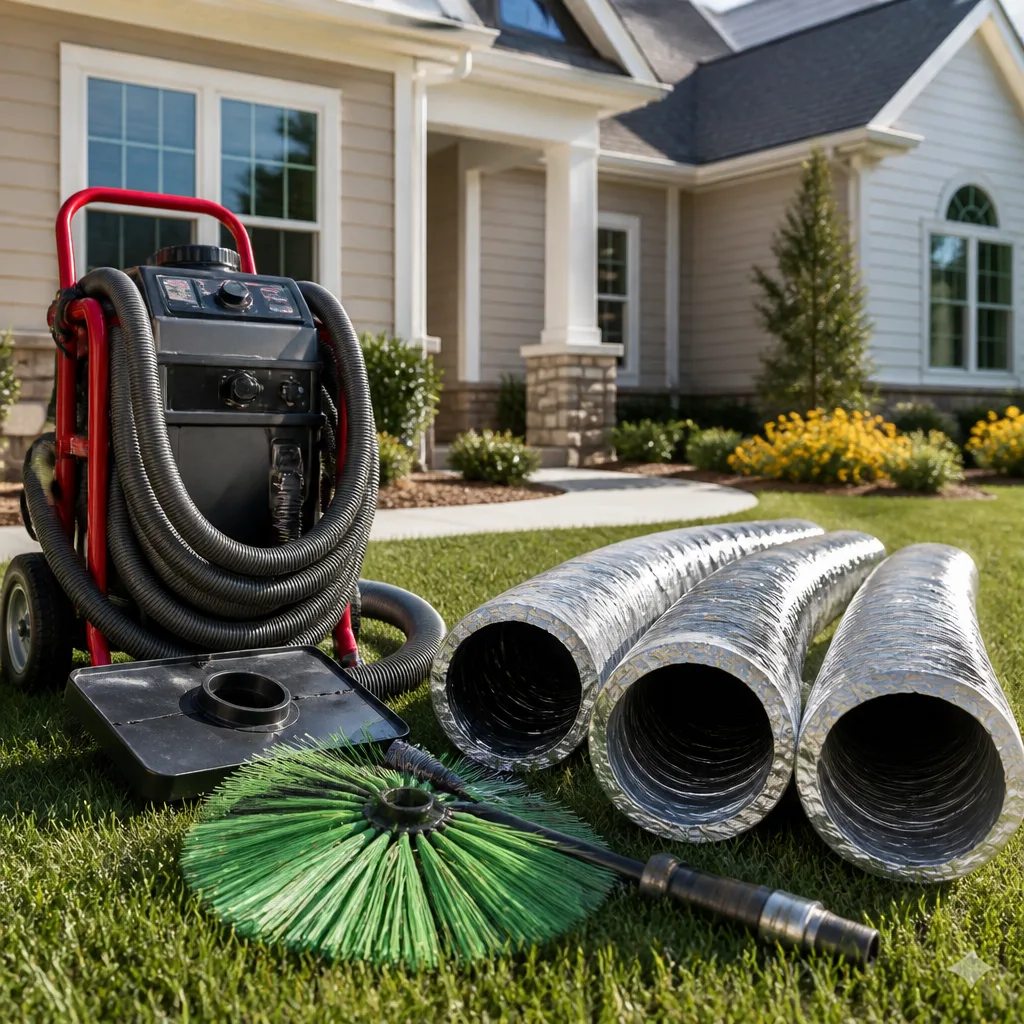 Whole-home duct cleaning
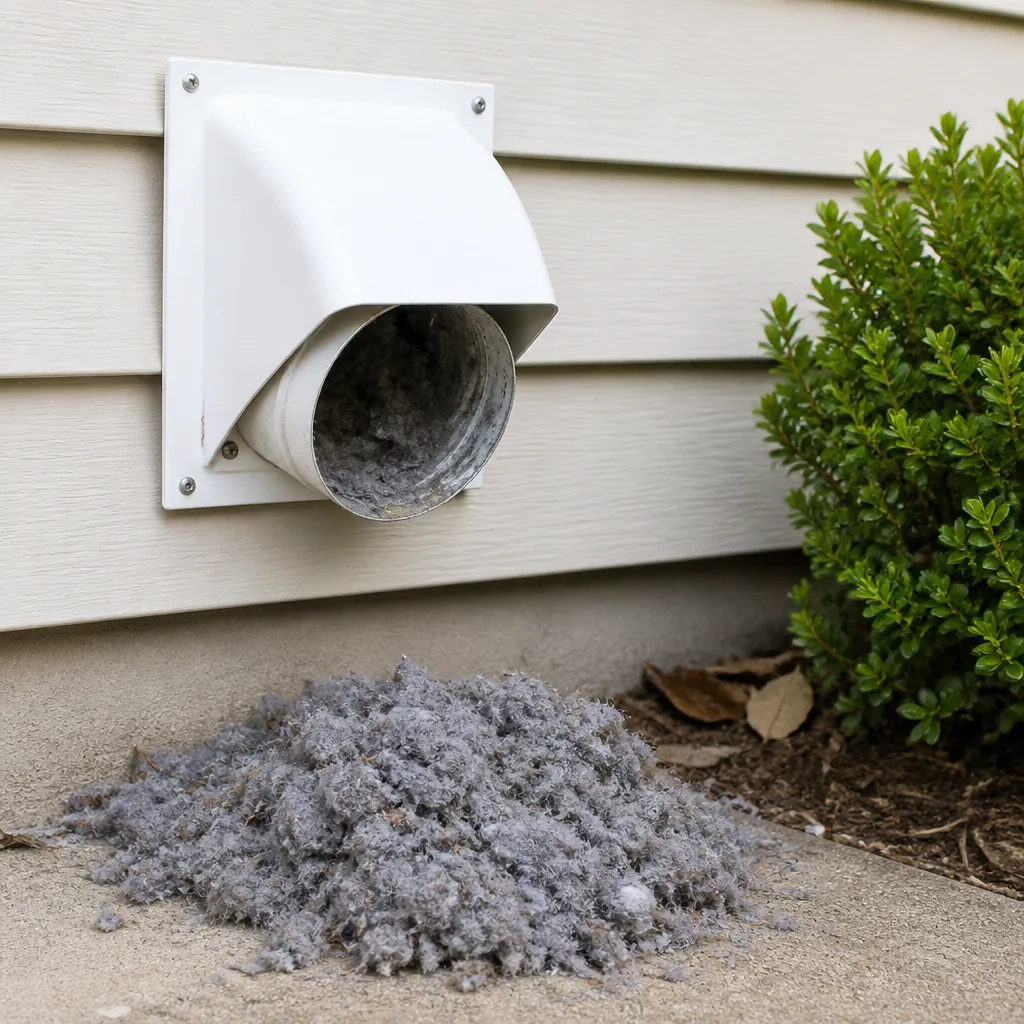 Dryer vent cleaning
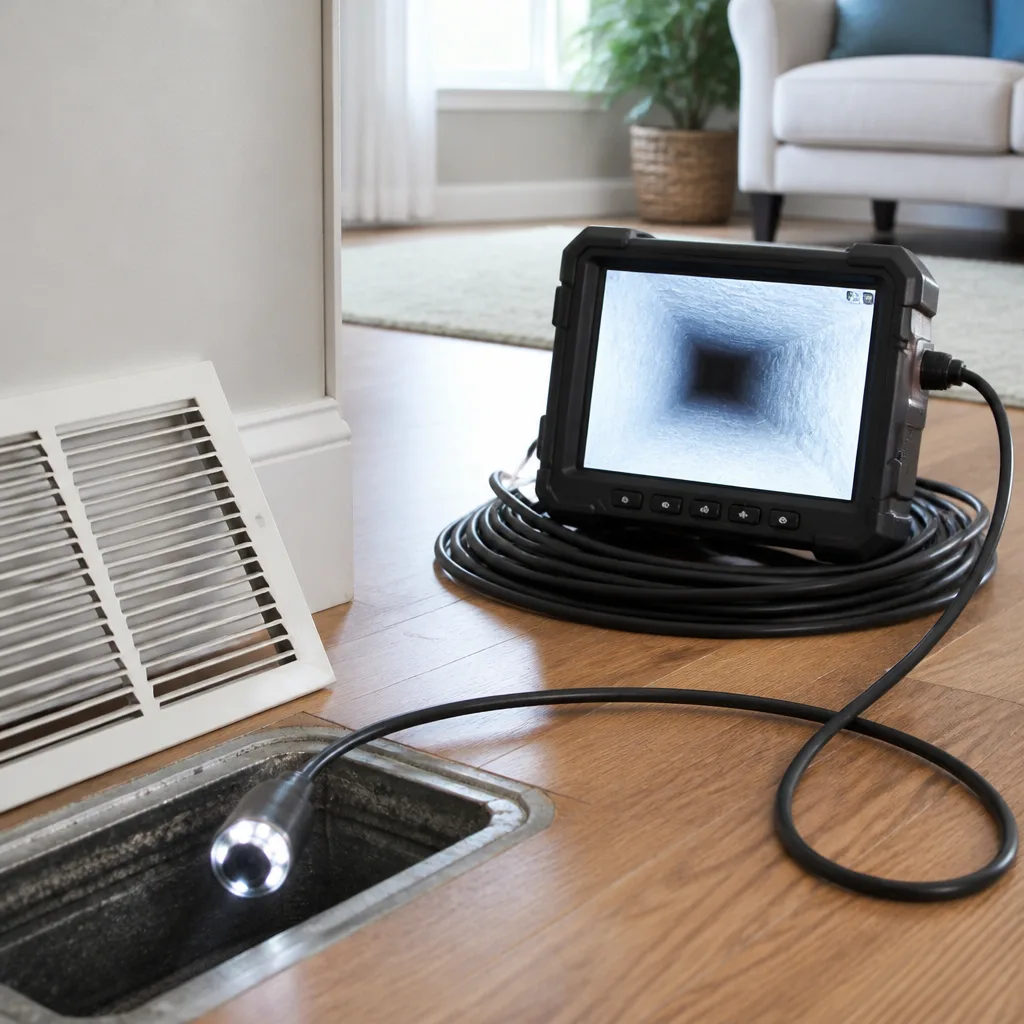 Camera inspection
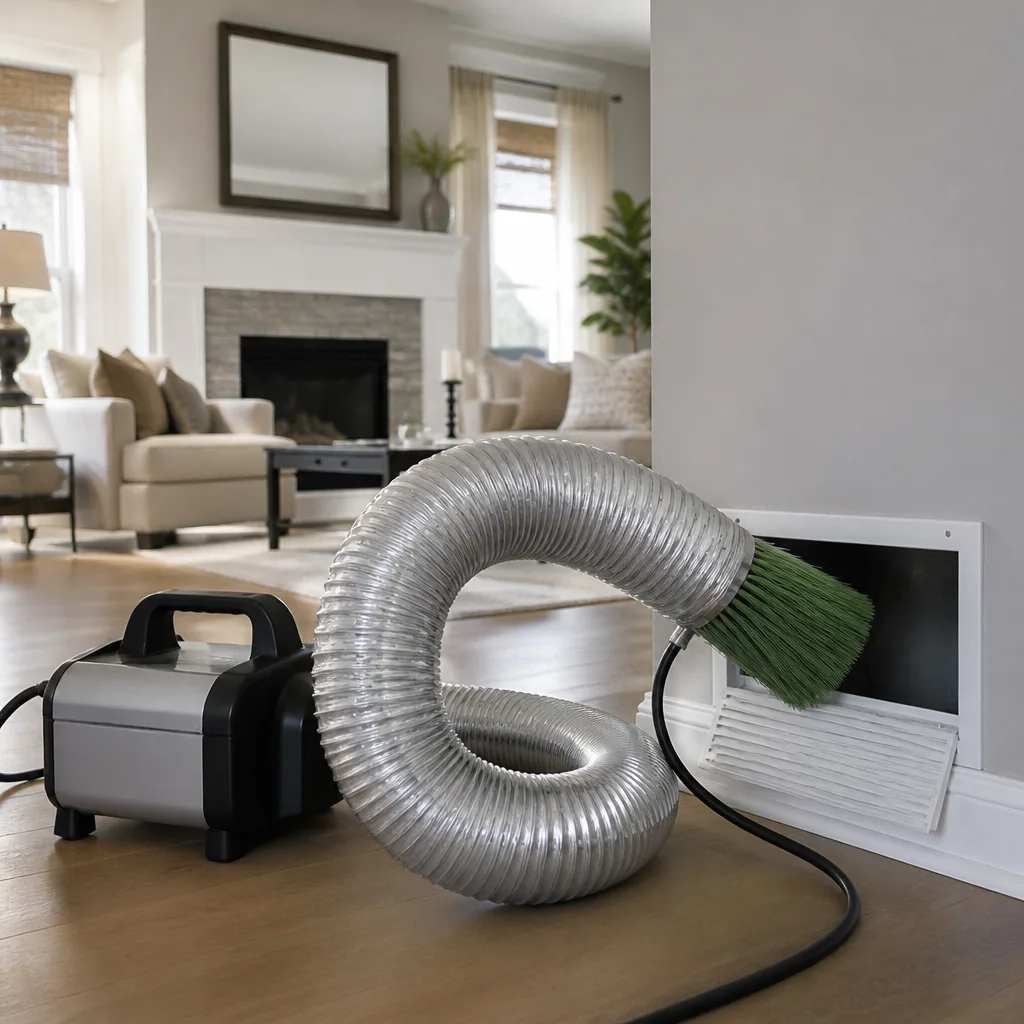 Sanitizing & deodorizing
Whole-system duct and dryer vent check with before-and-after photos - you see exactly what came out of your vents
That "$99 whole-house special" is a bait ad - the real number appears once they are in your hallway, or the "clean" is a shop-vac at the register. We photograph the inside of your ducts before and after instead.
Air Duct Cleaning Warning Signs: A Riverton Homeowner’s Reference Guide
By the time you can smell something wrong coming from your vents, the duct system has usually been signaling the problem for weeks through subtler cues. Airflow that’s weaker in one room than another. A filter that loads up faster than it should. A blower that runs longer than it used to. The smell is the last warning, not the first. This guide covers the early-stage signals most Riverton homeowners miss for months before the problem turns expensive, and it explains what each signal usually means, which service addresses it, and how urgently you should act.
Quick Answer
The most reliable early warning signs of a duct problem are uneven room temperatures, filters that clog in half the normal time, and HVAC run cycles that have lengthened without any change to the thermostat. If you’re also noticing a musty odor, visible mold at a supply register, or pest activity around the ductwork, the problem has usually advanced past the early stage and needs a professional assessment. In Riverton’s dry, high-desert climate, dust accumulation and seasonal temperature swings accelerate all three mechanical signs.
Styles & brands we work with
- Whole-home duct cleaning
- Dryer vent cleaning
- Camera inspection
- Sanitizing & deodorizing
Table of Contents
- The Three Mechanical Warning Signs That Come First
- How to Measure Them Without Special Tools
- Decoding the Smell: Musty, Dusty, or Something Died
- Reading Your Registers: What Normal Grime Looks Like vs. Trouble
- Why Riverton Renovations Cause a Delayed Symptom Peak
- The New-Home Warning Sign Set
- The Warning Sign Almost Nobody Attributes to Their Ducts
- What to Do Once You’ve Spotted These Signs
The Three Mechanical Warning Signs That Come First
Duct problems announce themselves mechanically before they become visible or smellable. The three signals below appear weeks to months before any odor, and they’re the ones that get ignored because they’re easy to write off as “just how the house is.”
1. Uneven Room Temperatures
If the bedroom above the garage runs 4 to 6 degrees hotter than the hallway in summer, or the basement office stays stubbornly cold in winter, that’s not just a thermostat quirk. A temperature gap that size usually points to a leak in the supply duct serving that room, a crushed flex run, or a disconnected joint hidden in a wall cavity or crawlspace. In Riverton homes built on slab, duct runs through unconditioned attic space are especially prone to separation at the joints as seasonal expansion works on the tape and mastic over time.
2. Shortened Filter Life
Most furnace filters in a typical home need replacing every three months. If yours is going gray in four to six weeks and the change has been gradual rather than sudden, the filter is catching debris that isn’t being removed anywhere else in the system – which usually means the ducts are shedding accumulated material back into the airstream on every cycle. A filter that loads fast is a filter doing its job; a duct system that keeps feeding it is the problem. Air duct cleaning resets that cycle by removing the reservoir feeding the filter.
3. Lengthened HVAC Run Cycles
A blower that runs noticeably longer to hit the same setpoint is one of the most reliable early indicators of restricted airflow. Three common causes trace back to ductwork: a partially collapsed flex run, a buildup of debris in a return trunk, or a joint that has opened and is now drawing attic air instead of return air. In our experience, the run-cycle symptom usually appears before the homeowner notices the higher energy bill and long before any odor shows up at the supply registers.
If uneven heating and a filter that loads fast are familiar, professional air duct cleaning is the standard starting point, because it addresses the reservoir feeding all three mechanical signs.
How to Measure Them Without Special Tools
You don’t need a diagnostic kit to track these three signs. You need a notebook, a visible clock, and ten minutes on a day that’s not a temperature extreme. Here’s the sequence we recommend to Riverton homeowners who want an honest baseline before calling anyone.
- Log room temperatures. Pick three rooms that feel most different – usually a bedroom, a bathroom, and the main living space. Write down the temperature in each one at the same time of day for five days in a row, right after the system has been running for at least 20 minutes. A spread of 4+ degrees between rooms is a flag.
- Date your filter. Tape the change date to the return grille. When the filter is visibly loaded before three months have passed, note the actual weeks elapsed. Two cycles in a row shorter than two months is a pattern.
- Time the run cycle. On a moderate day, set the thermostat to a temperature you know the house can hit easily and start a stopwatch. Note how long the blower runs before it shuts off. Repeat on a second day. A lengthened cycle that repeats without any change to the weather or thermostat setting points to airflow restriction.
- Check the filter door. Look at the return grille for a warped or double-filtered setup, which can strangle airflow even with clean ducts and make the other three signs look worse than they are.
If two or more of those signs land on the wrong side of the ledger, the next step is a professional assessment rather than a DIY attempt. The third sign in particular is worth tracking because it usually points to a duct problem the homeowner can’t see from the register. Reroute the extra runtime diagnosis to the HVAC cleaning page when it’s clearly system-wide.
Decoding the Smell: Musty, Dusty, or Something Died
Not all duct odors are the same problem, and treating them as if they are wastes money. The type of smell tells you what to fix, and different smells carry different urgency levels. Here’s how to tell the three main categories apart.
- Musty, earthy, or mold-like smell. This is biological growth – usually active mold or mildew growing in a humid zone of the duct system. In Riverton’s dry climate, the humidity that feeds mold typically comes from a leak, a disconnected run drawing humid crawlspace air, or condensation in a cold attic section during the winter. This category needs Riverton Air Duct Cleaning to contain and clean the affected section first, then sanitize, then seal whatever allowed the moisture in. The order matters; sanitizing without fixing the source just resets the clock. This is the most urgent of the three.
- Dry, dusty, or “dirty laundry” smell. This is construction dust, drywall particulate, or just accumulated household dust being pushed out with the warm air. It’s the mildest of the three and usually resolves with cleaning plus a filter upgrade. In Riverton homes, this smell often shows up as a faint odor when the heat first runs in the fall, after the system has been idle for months.
- Sharp, sickly, or animal-like smell near a register. This points to pest activity – insects or small mammals that have entered the ductwork and left behind waste. This crosses into a health and possibly contamination problem, and the fix goes beyond cleaning: the affected section usually needs repair or replacement, not just a pass. This one warrants an assessment right away.
Here’s the key point most warning-signs lists miss: by the time you notice any of these smells, the mechanical signs above have almost certainly been present for weeks. Smell is the late warning. If you notice a smell and haven’t checked the three mechanical signs, do that next – they’ll tell you how far the problem has already progressed.
Reading Your Registers: What Normal Grime Looks Like vs. Trouble
Pull a supply register cover off (they’re usually held by two screws or a friction clip) and look inside with a flashlight. You don’t need tools to tell the four categories apart – you need to know what to look for. Below is a visual description of each.
- Normal grime. A thin, even coat of gray-tan dust along the duct interior, no more than about a millimeter thick, without clumps or texture. This is what most wellswept homes look like. It’s normal and it doesn’t require service on its own.
- Active mold. Mottled black, green, or gray-green patches with a fuzzy or slightly raised texture, usually concentrated in a low spot, a joint, or a section near a cold attic run. You may also see it as a whitish web along the top wall of an insulated flex duct. This requires containment and sanitizing, not just cleaning.
- Pest activity. Small droppings, insect casings, chewing marks at the duct walls, or insulation that has been pulled away from the interior surface. Rodents and insects can enter through gaps at the exterior penetration or through joints that have opened. This category needs a repair and sealing step, because a clean duct that a rodent can re-enter will be contaminated again within weeks.
- Insulation degradation. For flex duct runs, look for the black interior liner to have collapsed, cracked, or separated from the outer jacket. You’ll often see the liner sitting loose in the jacket or sagging down. This is a duct in failure, and it will feed fiberglass particles into the home’s airstream. It needs replacement, not cleaning.
Take a photo of what you see and keep it. When the technician arrives, you’ll know whether their assessment matches yours, and any before-and-after photos they take will make more sense in context.
Why Riverton Renovations Cause a Delayed Symptom Peak
Renovation dust doesn’t land in the ducts the day the drywall goes up. It takes weeks. In Riverton homes, the symptom peak usually hits 30 to 60 days after the work is complete – long after the contractor’s truck has left and the floors are swept. This lag trips up homeowners who assume a clean-looking house means a clean duct system.
What actually happens is this: a renovation generates fine particulate from drywall sanding, wood cutting, and joint compound. Much of it floats and settles. The return air grilles (which are open whenever the HVAC runs) pull a portion of it into the ductwork, but not all in one pass. The dust that settles on duct walls gets picked up in stages, and the filter catches what the airstream delivers. Over the next four to eight weeks, that settled dust gradually redistributes with every heating or cooling cycle, and the observable signs – faster filter loading, a faint gypsum smell, visible grayish dust at the register face – appear only after it’s had that time to circulate.
The practical takeaway: if you’ve had a renovation in the last 60 days, don’t evaluate the ducts on day five. Re-check your filter and registers at the four-week and eight-week marks. If the filter is loading significantly faster than before the renovation, the duct system is still flushing construction dust. Our technicians use Abatement Technologies containment units during post-renovation cleanings for exactly this reason – to capture the fine particulate at the source rather than blowing it into adjoining rooms.
Riverton’s dry air actually makes this worse, not better. Low humidity means drywall dust stays airborne longer. In a humid climate, it clumps and settles quickly; in a high-desert climate like ours, it keeps drifting until something filters it out.
The New-Home Warning Sign Set
A home you just bought in Riverton needs a duct assessment regardless of when the previous owners last serviced the system. You have no reliable record of what was done, and the signs themselves are easy to misread in a home you’ve only lived in for a few weeks. Here are the specific indicators that push a newly purchased home from “probably fine” to “assess now.”
- You don’t know the last cleaning date. If the disclosure didn’t mention duct cleaning, assume it hasn’t happened. Even in a well-maintained home, a duct system that hasn’t been serviced in more than five years usually has enough accumulation to justify a professional assessment.
- Any renovation in the last year. New flooring, a bathroom remodel, a finished basement – any of these could have left construction dust that’s still circulating. Post-renovation signs peak 30-60 days after the work, so a home sold shortly after a remodel is often sold right in the symptom window.
- The home sat vacant before closing. Vacant homes collect dust in a static airstream. When you move in and start the HVAC up, everything that settled has a chance to move. If you notice a dusty smell in the first two weeks of occupancy, that’s the reason.
- Pet history. If the previous owners had pets – and especially if you don’t – residual dander can linger in the duct lining for years. You may not smell it immediately; you may notice it as an allergy flare in the first few weeks.
- Musty smell in a basement or crawlspace duct. This is a specific red flag: it usually means the basement or crawlspace ductwork is drawing humid air from a space that needs vapor management first, and cleaning alone won’t stop it. The assessment should include the source of the moisture.
- Visible register grime at the move-in walkthrough. A picture you took during your final walkthrough can be compared to what you see now. If the grime has gotten visibly darker in a matter of weeks, the system is active.
Homeowners who buy in Riverton’s older neighborhoods – where duct systems may have been installed with metal trunk-and-branch design and later modified for flex – should expect a sealing assessment as part of the first duct service. Older modifications often leave gaps at the joints that cleaning alone won’t close.
The Warning Sign Almost Nobody Attributes to Their Ducts
Dryer vent warning signs get missed because most homeowners don’t think of the dryer vent as part of their home’s air system. It is – an entire ventilation pathway running through the same walls and floors as the HVAC ductwork. And a clogged dryer vent is a leading household fire cause, so the stakes are higher than a residential duct issue.
The specific signs of a dryer vent problem are different from the HVAC signs above. Watch for:
- Clothes that take two cycles to dry on a normal setting when they used to take one
- The dryer cabinet and the laundry room getting noticeably hotter than they used to
- A burnt or scorched smell in the laundry room after a cycle runs
- Lint visible around the dryer’s exterior vent flap, or the flap not opening fully
- The dryer shutting off before the cycle completes with an error or thermal cutoff
Riverton homes where the dryer was installed adjacent to an exterior wall (short vent run) tend to be more forgiving, while homes with the laundry in a central location and a long vent run tend to accumulate lint faster. Professional dryer vent cleaning is offered as a standalone fire-safety service, using the same Rotobrush and Nikro equipment used for duct work, not a hose-and-shop-vac pass. If the dryer signs above appear, treat them as urgent rather than seasonal.
What to Do Once You’ve Spotted These Signs
Once you’ve logged two or more of the mechanical signs, or you’ve noticed any of the smell or visual signs, here’s the sequence that gets you to a clean system without wasted steps.
- Photograph what you see. Registers, filter, anything visible. This gives you a baseline and lets the technician’s assessment be compared against evidence rather than memory.
- Match each sign to a service. Mechanical signs point to air duct cleaning. A musty smell points to cleaning plus sanitizing. A pest or insulation sign points to Duct Repair & Sealing, because the duct itself has failed. Dryer signs point to a dedicated dryer vent service.
- Get a whole-system estimate, not a per-vent or per-room quote. The whole-system approach means every branch, every return, and the air handler are assessed for one flat price agreed before work starts – not a low headline number that becomes a per-vent invoice on the day of service.
- Ask about air quality upgrades after cleaning. If the system has had biological growth, or if allergy symptoms persist after cleaning, adding filtration or humidity management from a manufacturer like Aprilaire or Guardsman is a worthwhile next step.
- Schedule the follow-up check. Log your three mechanical signs again 60 days after cleaning. A clean system should show filter life back to normal and run cycles at their previous length. If it doesn’t, the source of contamination wasn’t fully addressed.
Common Mistakes to Avoid
- Assuming a clean filter means clean ducts. A clean filter means the filter itself is doing its job – it doesn’t tell you what the ducts feeding it look like. Those two pieces of information come from different places, and one does not demonstrate the other.
- Treating a smell with air freshener instead of addressing the cause. A musty odor covered over with a plug-in or spray will come back within a week because the mold or moisture source hasn’t changed. Address the moisture path first, then clean and sanitize.
- Hiring a service that can’t repair duct damage. A pure cleaning company will clean a broken or collapsed duct run without fixing it, and the home ends up with the same symptom six months later. In Riverton, where older home modifications often leave failed joints, repair capability matters as much as cleaning itself.
- Buying on price alone from a coupon or per-vent quote. A per-vent quote is usually a teaser; the real price appears on the invoice. Insist on a whole-system estimate in writing before any work begins, and ask for before-and-after photos of the ducts as part of the estimate terms.
- Ignoring dryer vent signs because they’re “not duct work.” The dryer vent is the highest-fire-risk ventilation path in most homes. A dryer that used to dry one load in 40 minutes and now takes two cycles is a real signal, not a mild inconvenience.
- Cleaning without diagnosing the moisture source. If the ducts have mold or biological growth, cleaning alone resets the clock on the problem. The moisture ingress point (a disconnected run, an unsealed crawlspace penetration) needs fixing at the same visit.
- Missing the delayed symptom window after a renovation. Homeowners often schedule a duct service immediately after the drywall goes up, then skip the follow-up at the four-to-eight-week mark when the settled dust has redistributed. The delayed peak is usually the bigger one.
See the difference
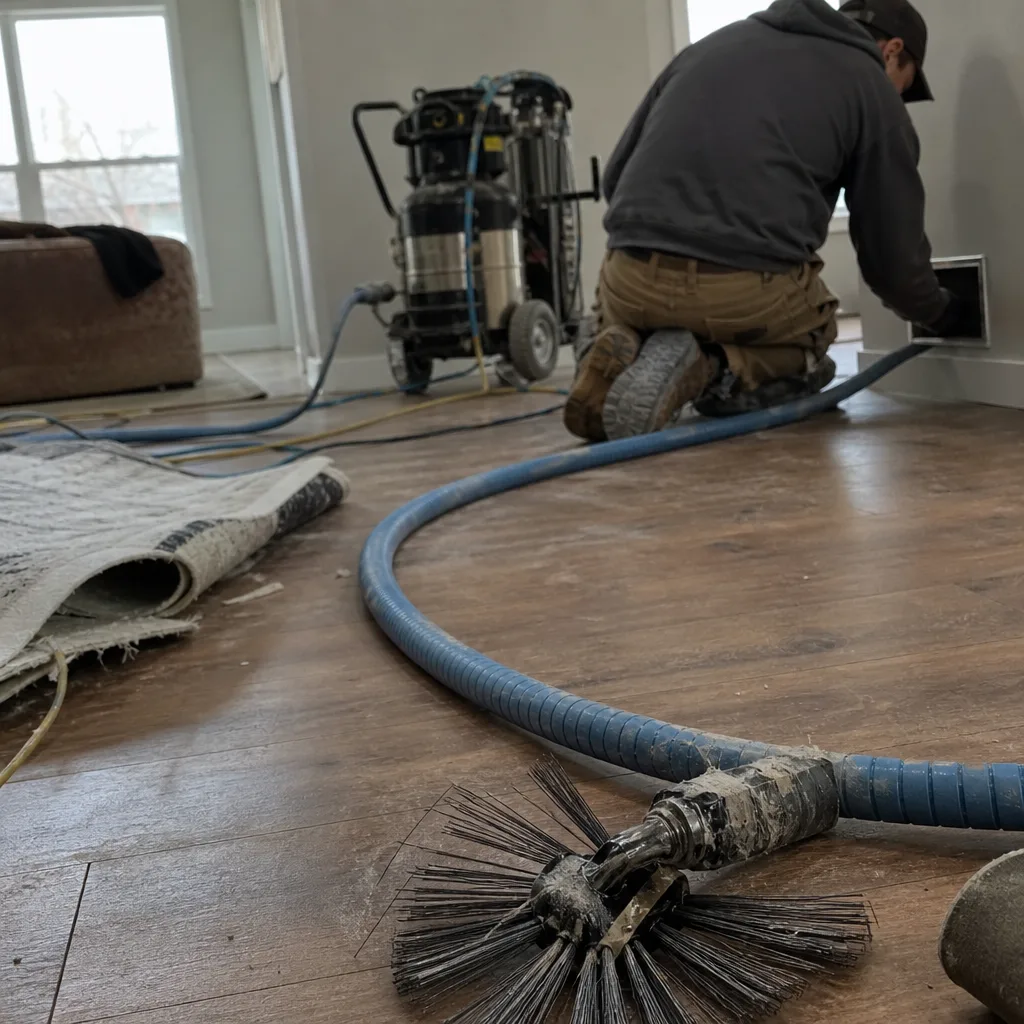 Before
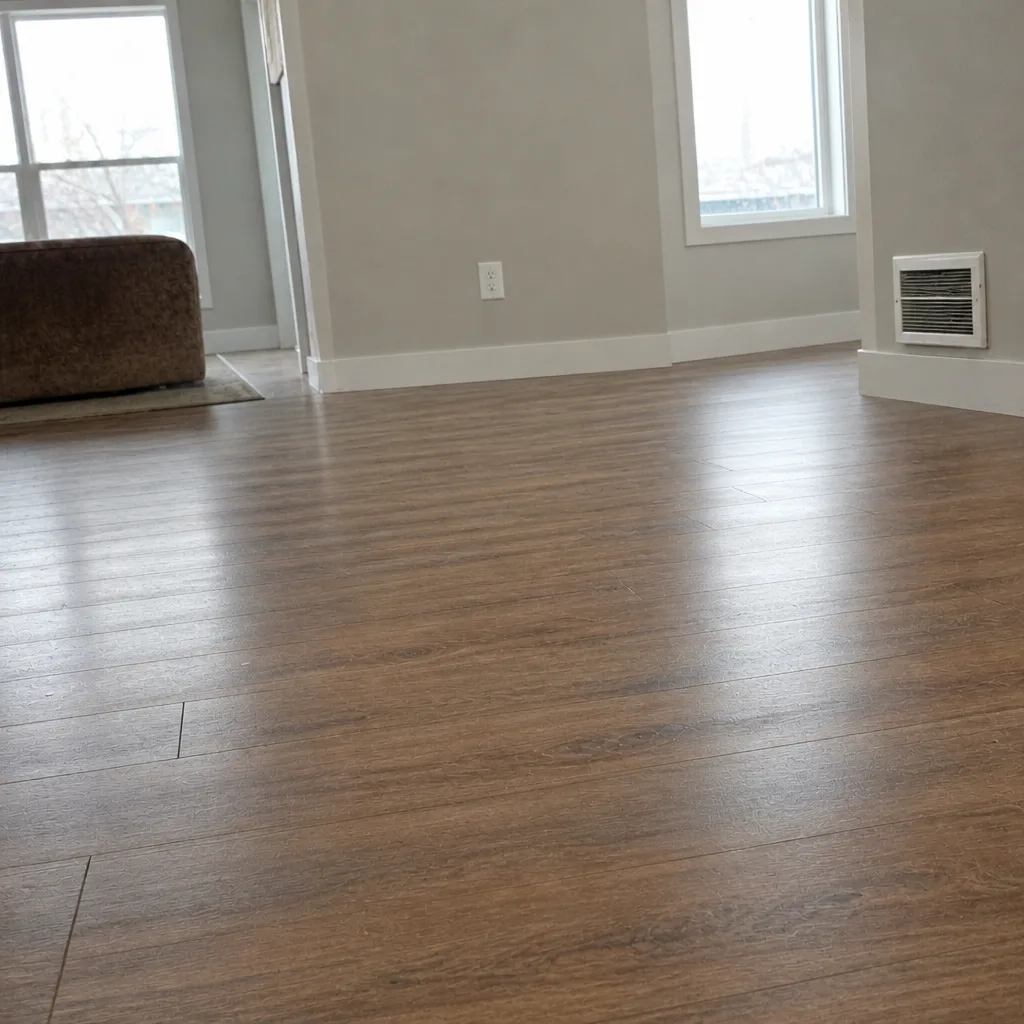 After
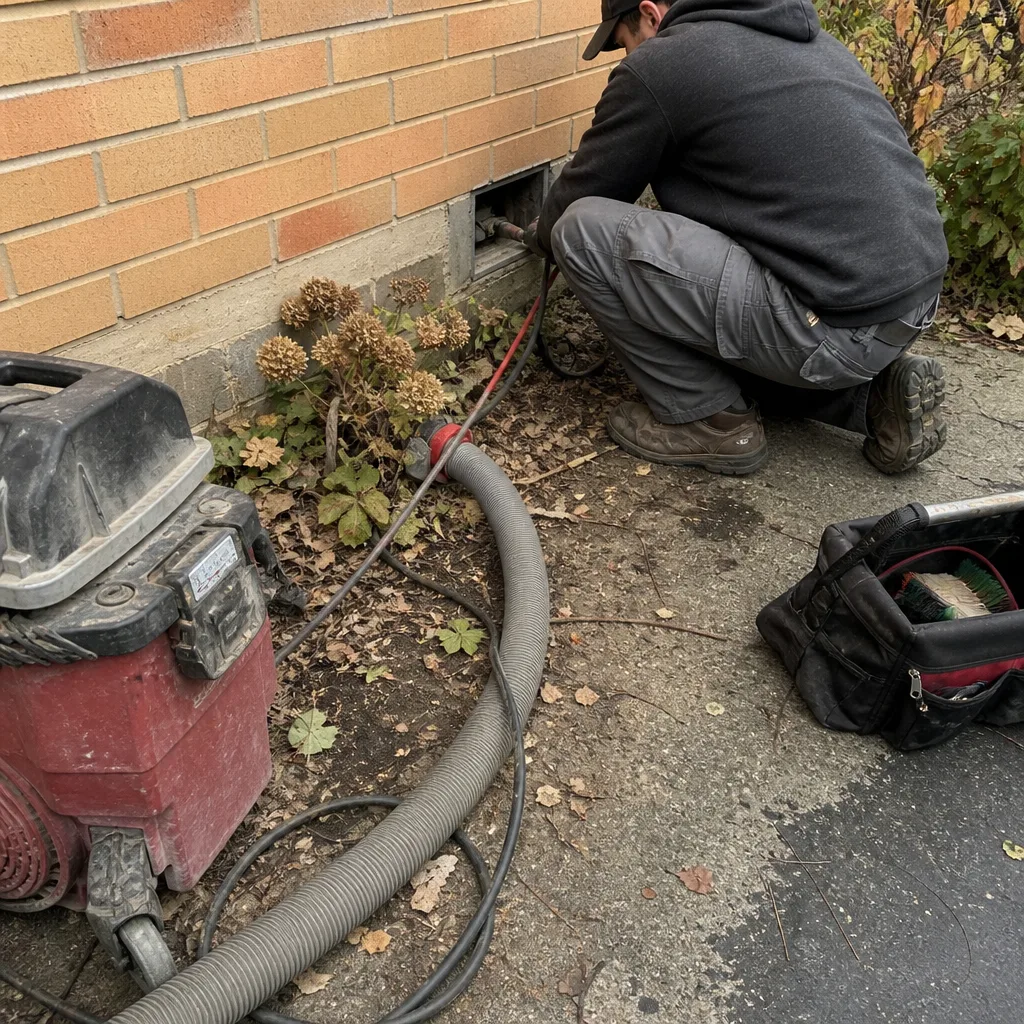 Before
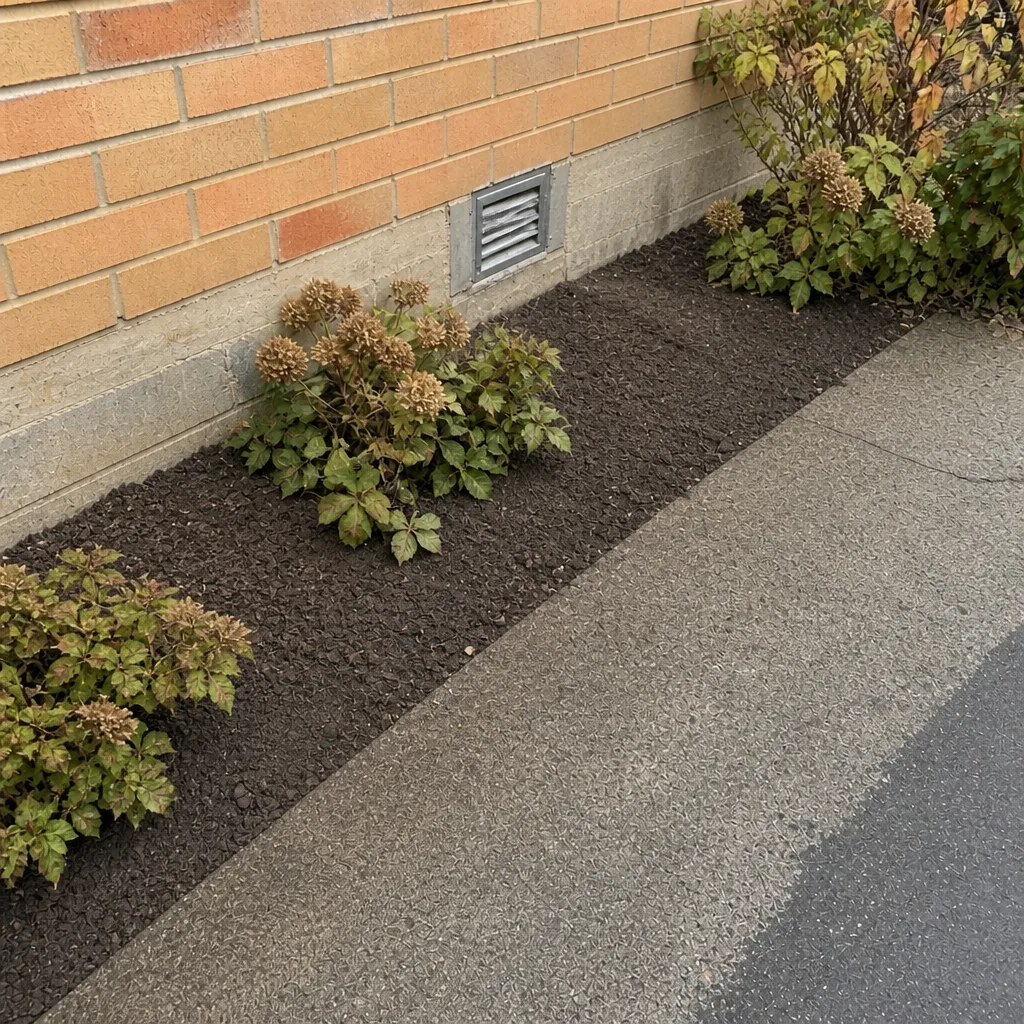 After
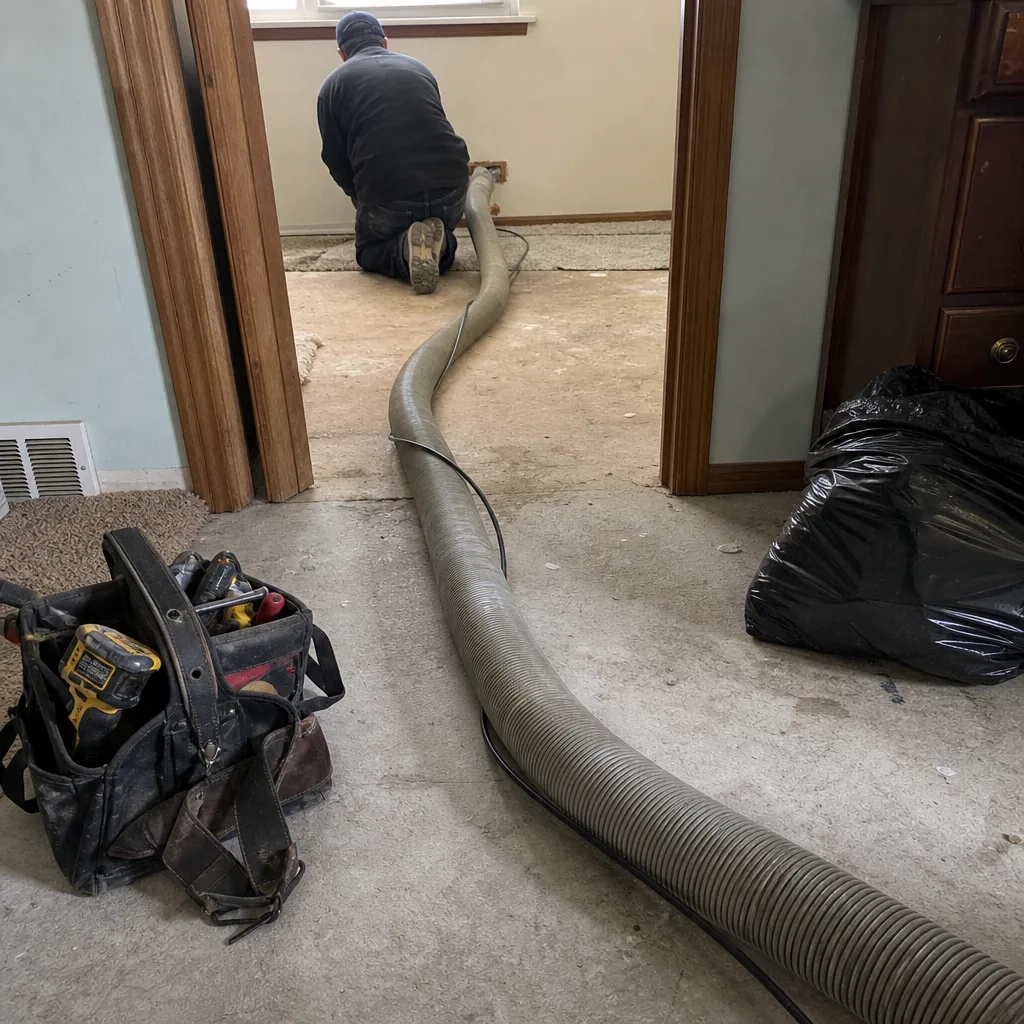 Before
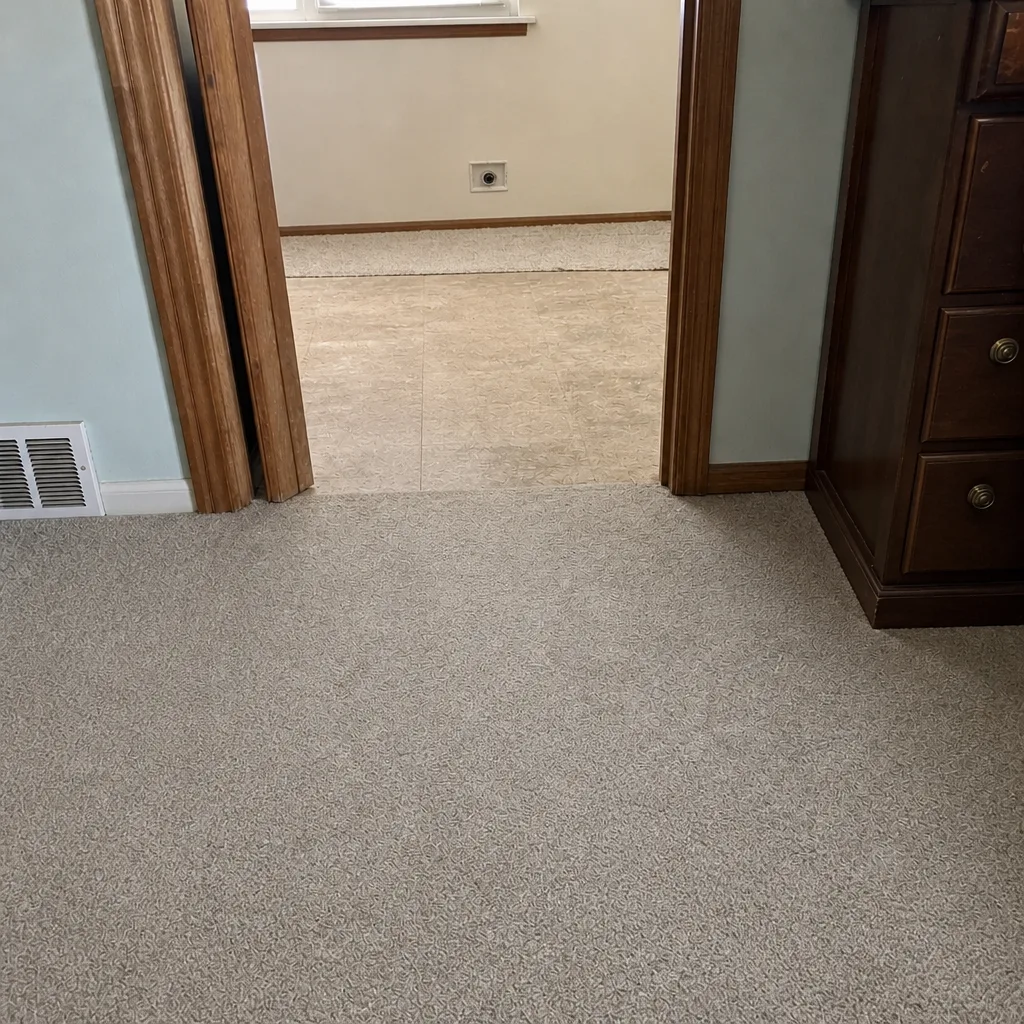 After
When to Call a Professional
Some warning signs you can track yourself. Others warrant a professional assessment right away. Call us if you have any of the following: a musty or mold-like smell at any supply register; visible mold or pest activity inside the ductwork; a collapsed or separated flex run; a dryer that takes longer than it used to or feels unusually hot; a home purchase with no documented duct service history; or two or more of the mechanical signs present at the same time. Riverton Air Duct Cleaning offers free estimates in Riverton – call (844) 569-6963. We answer 24/7. Fast dispatch from 7am to 7pm, Sunday through Friday. The estimate is free and the price is set per job in writing before work begins.
Frequently Asked Questions
Track three signs for a month: room temperature spread, filter life, and HVAC run-cycle length. If two or more land on the wrong side of the ledger, the system needs an assessment. You can also pull a register cover with a screwdriver for a quick visual check – normal grime is a thin, even, gray-tan coat; if you see mottled patches, droppings, or a collapsed liner, that’s not normal. Call (844) 569-6963 for a free estimate – we’ll tell you what we see and match it to the right service.
Musty points to biological growth and needs cleaning plus sanitizing plus fixing the moisture source; dusty points to drywall or household dust and usually resolves with cleaning and a filter upgrade. In Riverton’s dry climate, the moisture feeding a musty smell typically comes from a disconnected run, a crawlspace penetration, or cold attic condensation, not from the outdoor humidity. Call (844) 569-6963 for an assessment – free estimate, and we’ll identify which category your smell falls into.
Construction dust from drywall and joint compound settles slowly and redistributes gradually rather than all at once. The symptom peak usually hits 30 to 60 days after the work is finished, which is why the smell can appear long after the contractor has left. If you’ve had a renovation in the last 60 days and the filter is loading faster than before, the system is still flushing construction particulate. Call (844) 569-6963 for a post-renovation estimate.
Yes. Pet dander, settled drywall dust, and insulation fiber can circulate in the airstream without producing an odor. The early signs are usually the mechanical ones – uneven temperatures, faster filter loading, longer run cycles – rather than a smell. If allergy symptoms in your Riverton home have worsened without a clear cause, a duct assessment and an air-quality review are the two places to start. Call (844) 569-6963 for a free estimate.
Yes, especially if any of these apply: no documented duct service history, a recent renovation, prior pets, or a musty smell in a basement or crawlspace register. Older Riverton neighborhoods with metal-to-flex duct modifications usually need a sealing assessment alongside cleaning, because the joint gaps are the actual source of contamination. Call (844) 569-6963 for a whole-system estimate.
Separate service, separate risk profile. The dryer vent is a ventilation pathway like the HVAC ductwork, but the signs are different (longer dry times, hotter cabinet, scorched smell, lint at the exterior flap) and the risk is a fire, not just poor air quality. Treat dryer vent services as their own safety service. Call (844) 569-6963 for a free estimate on either one.
The Bottom Line
The expensive duct problems are the ones that got ignored for months. The early mechanical signs – uneven room temperatures, filters loading in half the normal time, and lengthened HVAC run cycles – usually show up weeks before any smell or visible contamination. Match the sign to the right service, get a whole-system estimate in writing, and log the same three signs again 60 days after the work is done. Cleaner air is a measurable result, not a promise. If you’ve logged the signs in your Riverton home and want a professional assessment, call (844) 569-6963. We answer 24/7. Fast dispatch from 7am to 7pm, Sunday through Friday. Free estimates, and the price is set per job before any work starts.
Written by the team at Riverton Air Duct Cleaning.