
Last updated November 24, 2026
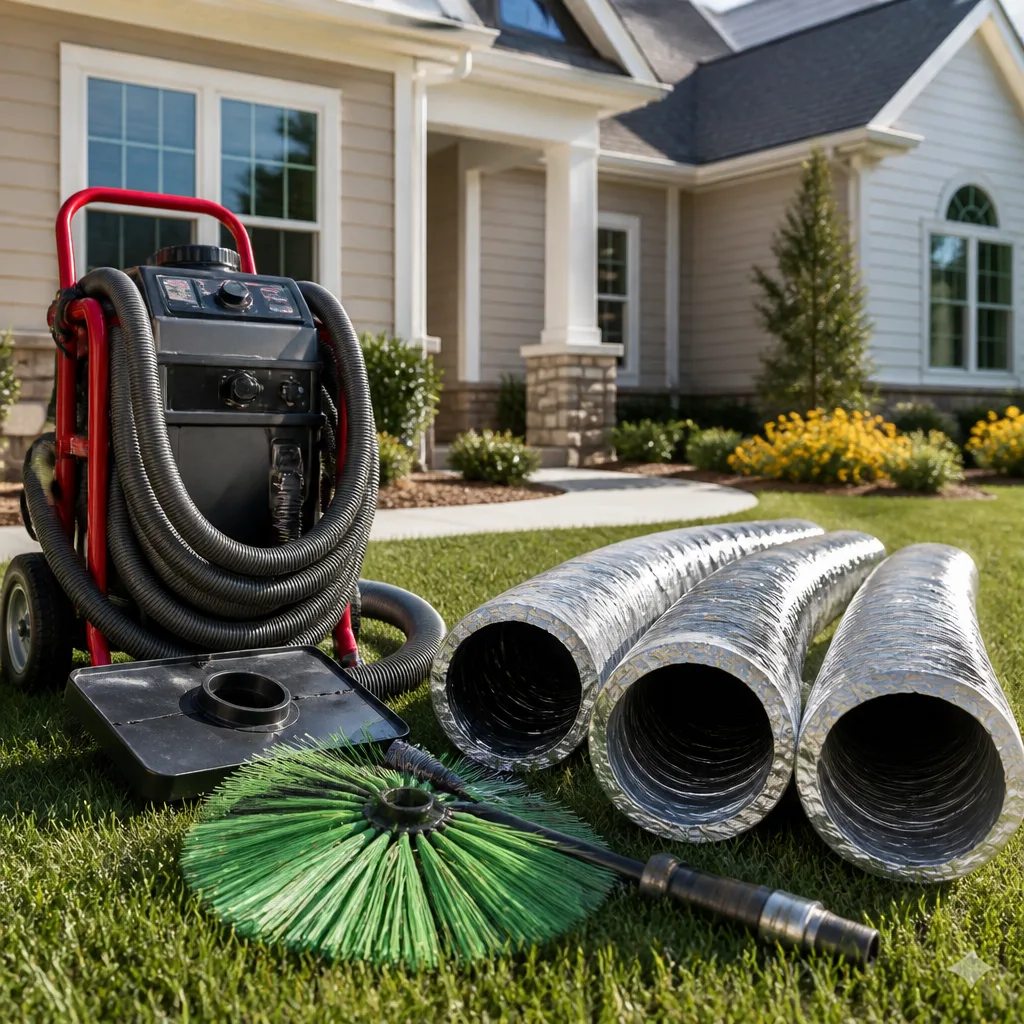 Whole-home duct cleaning
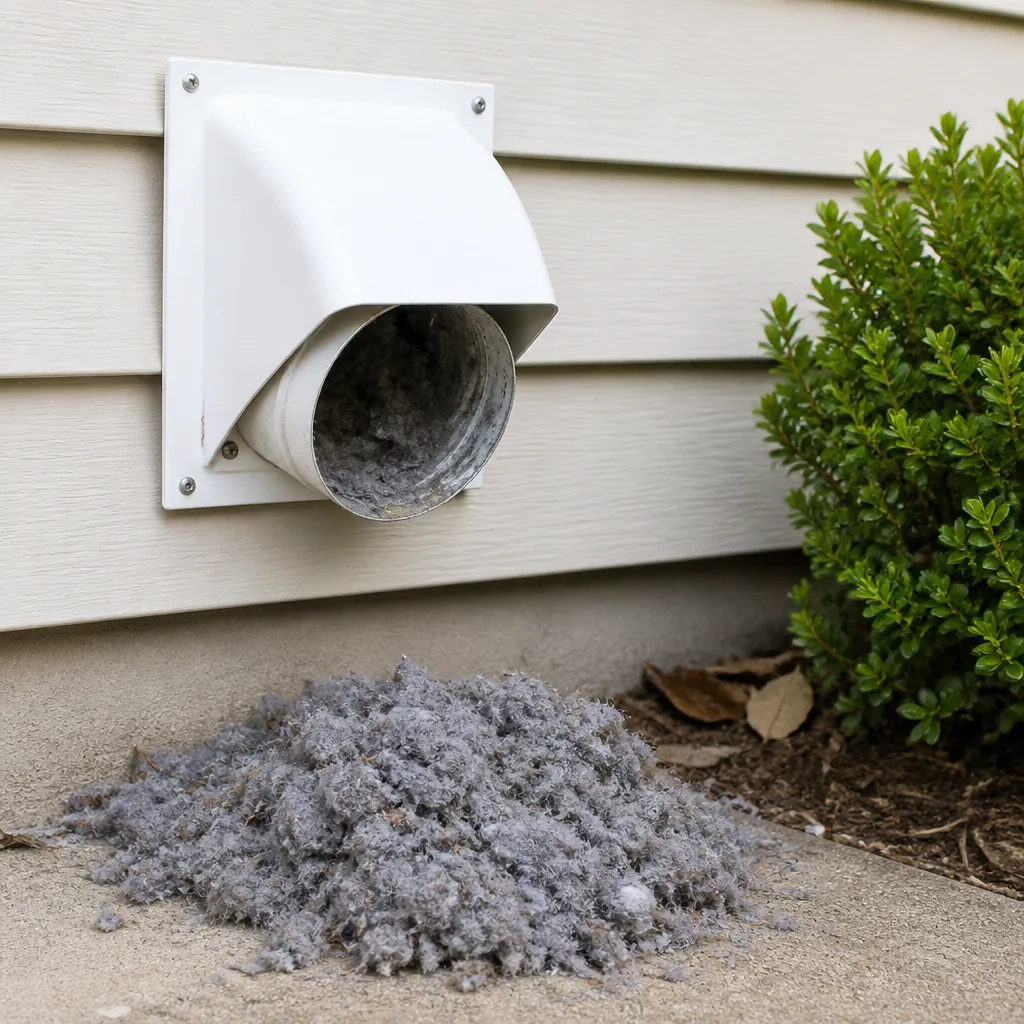 Dryer vent cleaning
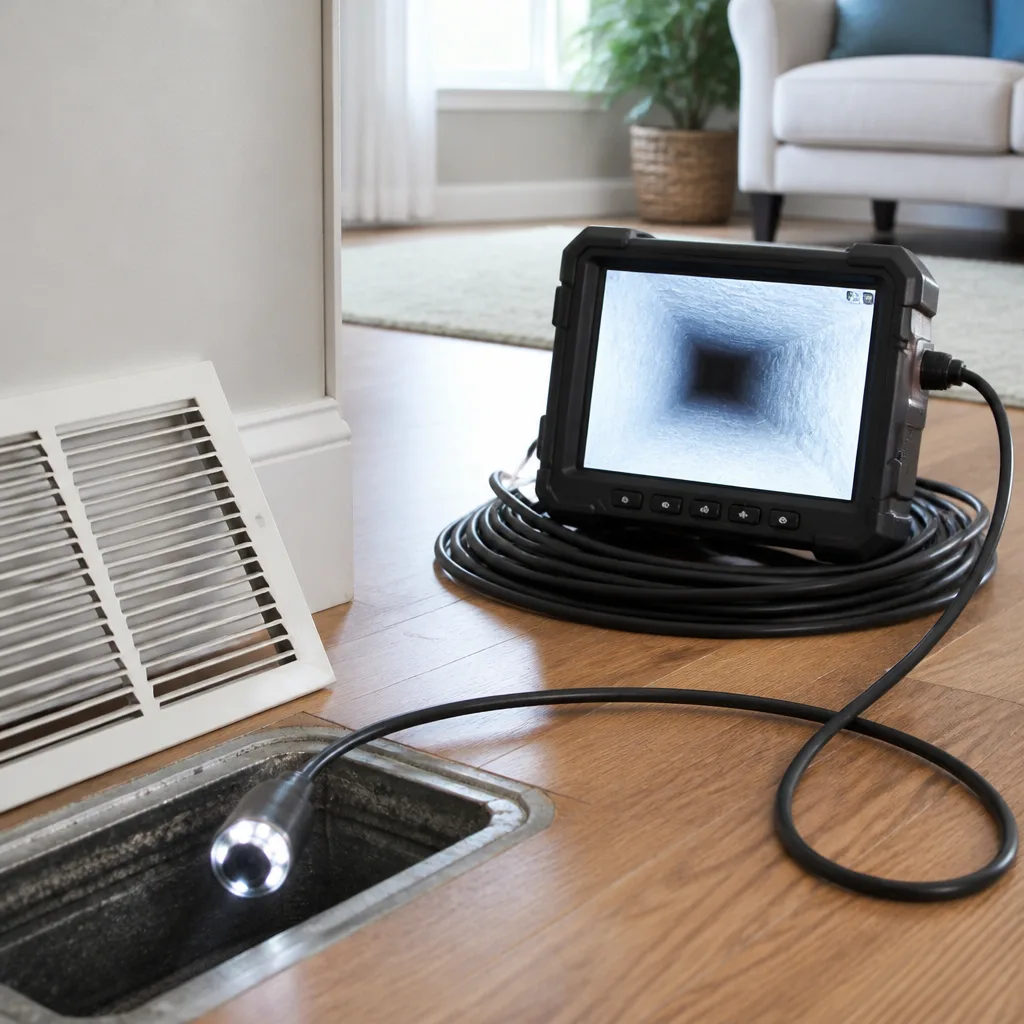 Camera inspection
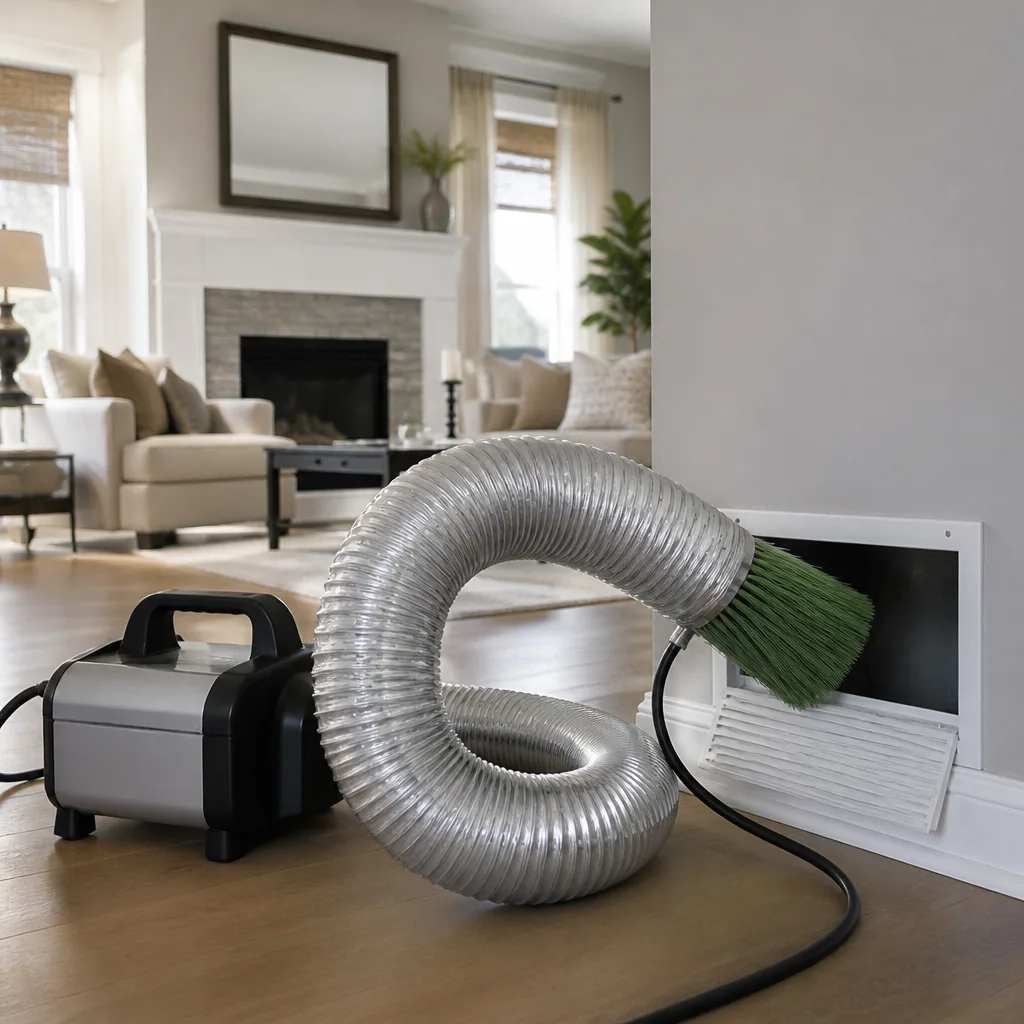 Sanitizing & deodorizing
Whole-system duct and dryer vent check with before-and-after photos - you see exactly what came out of your vents
That "$99 whole-house special" is a bait ad - the real number appears once they are in your hallway, or the "clean" is a shop-vac at the register. We photograph the inside of your ducts before and after instead.
Air Duct Cleaning Permits, Codes & Inspections in Riverton, UT: What You Need to Know
Cleaning your ducts doesn’t require a permit in Utah. Almost nothing about the cleaning itself touches a code threshold. But here’s the part most homeowners in Riverton miss: the moment a technician patches a disconnected duct section, seals a supply plenum with mastic, reconnects flex duct to a trunk line, or mounts an inline UV system inside the air handler, you may have crossed from “cleaning” into permitted HVAC work without anyone telling you. That line matters more than it sounds. Unpermitted duct modifications can surface years later during a buyer’s inspection or an insurance claim, and the fix is rarely free. This guide walks through where the line sits, what you can verify, and the questions to ask before work starts.
Quick Answer
Air duct cleaning alone does not require a permit in Riverton or anywhere else in Utah. Permits come into play only when the work changes, extends, alters, or replaces part of the mechanical system, such as new duct runs, sealed plenum connections, added exhaust or fresh-air ducting, or installed air-quality equipment that ties into the HVAC. Routine cleaning with contact equipment like a Rotobrush system, vacuum extraction, and sanitizing falls outside permit territory. If a contractor proposes to repair or modify ductwork during a cleaning visit, ask who is doing the licensed HVAC work and whether a permit is being pulled.
Styles & brands we work with
- Whole-home duct cleaning
- Dryer vent cleaning
- Camera inspection
- Sanitizing & deodorizing
Table of Contents
- Where the Utah code line sits: cleaning versus modification
- Plain-language examples of what does and doesn’t need a permit
- How to check permits in Riverton before or after the work
- Why duct sealing often needs a licensed HVAC contractor
- The home-sale scenario: how unpermitted duct work gets flagged
- UV-C lights, air purifiers, and ERV connections in Riverton
- Verifying a contractor through DOPL Utah
- The five questions to ask before anyone touches your ducts
Where the Utah code line sits: cleaning versus modification
The Utah Mechanical Code is adopted statewide and then enforced locally, which means the same rules apply from Logan to St. George, but the people reviewing the work sit at the Riverton City building department or Salt Lake County, depending on the property. The code’s job is to protect the mechanical system’s reliability and safety, and it triggers whenever a change to the system affects air distribution, combustion air, exhaust, or equipment connection.
Cleaning is maintenance. It removes accumulated dust, debris, and biological growth from duct interiors and components already installed. That’s not a change to the system. Nothing is being added, removed, or rerouted. No permit is generated for maintenance.
Modification is different. The moment a technician alters the physical configuration of the ductwork or ties new equipment into it, you’re in permit territory. The exact language varies, but the general thresholds look like this:
- Replacement or extension of duct runs that changes the layout of the system.
- Installation of new exhaust or fresh-air ducting, including makeup air for a range hood or dryer.
- Additions of mechanical ventilation such as an energy recovery ventilator (ERV) or heat recovery ventilator (HRV), which require duct connections to the building envelope.
- Alterations to the supply plenum that affect air pressure or connection integrity.
- Installation of in-line UV-C or air-purification systems that require electrical tie-ins or duct penetrations.
Replacing a simple flex duct connector that came loose during cleaning is a gray area. Many jurisdictions treat it as maintenance if the configuration is unchanged and no new material length is added. If the technician is adding sealant at the joint and restoring the original connection, that’s typically exempt. If the technician is replacing a section or rerouting, that’s a modification. For Riverton homeowners, the safe move is to ask the technician explicitly whether the fix they’re proposing is a repair in place or a change.
Plain-language examples of what does and doesn’t need a permit
Here’s how this plays out on real jobs. The point isn’t to make you a code expert. It’s to help you recognize the moment a duct cleaning visit shifts into something that requires more paperwork.
Typically no permit required
- Full-system air duct cleaning using a contact-cleaning tool and negative-pressure vacuum.
- Source removal and sanitizing of duct interiors and registers.
- Replacing or tightening a loose register boot at the floor or wall without altering the duct run.
- Sealing a plenum joint with mastic when restoring the original configuration.
- Dryer vent cleaning, which is maintenance of an existing exhaust duct, not a modification.
- Filter changes or installing a higher-MERV filter in the existing cabinet slot.
Usually requires a permit or licensed HVAC involvement
- Adding a new supply or return boot to serve a room that didn’t have one.
- Rerouting or extending a duct run to improve airflow to a specific area.
- Installing an in-line UV-C lamp that requires a new electrical circuit or a permanent duct penetration.
- Adding a whole-home air purifier hardwired into the HVAC power source.
- Connecting an ERV or HRV that penetrates the exterior wall and ties into the duct system.
- Converting a finished basement and modifying the distribution layout to condition it.
If you’re not sure which side of the line a proposed fix falls on, ask the technician to describe the work as it would appear on a permit application. That framing exposes whether you’re talking about a repair or a change. A trained professional will answer without hedging.
How to check permits in Riverton before or after the work
Riverton City’s building department handles permit intake and inspection for most residential HVAC work inside city limits. Salt Lake County handles the same for unincorporated areas and for properties that fall outside the city’s jurisdiction. Both publish records you can query, and both accept calls from homeowners asking about permits on a specific address.
Here’s a straightforward sequence any Riverton homeowner can run through:
- Look up the address in the city or county permit portal. Search by address, not by contractor name. You want to see whether a mechanical permit exists and whether it’s open, issued, or finaled.
- Match the permit description to the work proposed. A permit that says “replace furnace” does not cover duct modification. A permit that says “install ERV” doesn’t cover unrelated duct changes.
- Ask for the permit number before work starts if the contractor says a permit is being pulled. The number comes before the work, not after.
- Request the inspection record after the work finishes if the job required a permit. A finaled inspection is the paper trail that protects you later.
The check takes about five minutes on a laptop and works whether you’re the current owner or you’re looking at a house you want to buy. If you’re working with a home inspector, ask them to include the permit history on any HVAC work performed in the last five to ten years as part of the inspection report. Riverton has a lot of homes built in different eras, and the permit record is often the only way to know what was done versus what was claimed.
Why duct sealing often needs a licensed HVAC contractor
This is where most homeowners get caught. Duct sealing sounds like a minor, safe thing. In practice, sealing a supply plenum with mastic, closing off a duct run to redirect airflow, or reconfiguring return-air paths changes the pressure balance of the whole system. Do it wrong and you can create negative pressure in the mechanical room, pull combustion gases back down a water heater flue, or starve a furnace of airflow. That’s why mechanical codes treat certain sealing and reconfiguration work as licensed HVAC contractor territory, not cleaning technician territory.
In our experience, the honest line is this: a cleaning technician can and should restore joints, tighten connections, and reseal loose seams at existing locations. A licensed HVAC contractor should be the one making permanent changes to how air flows through the system, especially around the air handler, plenum, and combustion appliance zone.
The distinction matters in Riverton because homes here sit at the base of the Oquirrh foothills and run both heating and cooling hard through the year. When duct leakage is real and you seal it wrong, the consequences show up as pressure-related comfort problems or safety issues in the winter. That’s a licensed contractor’s problem to solve, not a cleaning crew’s.
Duct Repair & Sealing is a service worth getting right the first time. If the job involves more than restoring an existing joint, the licensed HVAC side needs to own the work, and the permit needs to follow it. Our team walks through the diagnosis first and lets the homeowner know which lane the fix belongs in before anyone picks up a mastic gun.
The home-sale scenario: how unpermitted duct work gets flagged
Fast forward a few years. You’re selling the house. The buyer’s inspector climbs into the attic and sees a supply plenum that’s been sealed with mastic, an in-line UV lamp mounted inside the return, and a flex duct run added to a bedroom that wasn’t originally conditioned. None of it is broken. All of it looks fine. But the permit records don’t show mechanical permits for any of it.
Here’s how the flag typically plays out:
- The inspector notes the visible alterations in the report and asks for documentation.
- Your realtor requests permit history from the city or county.
- The records don’t match the visible work. That’s the unpermitted condition.
- The buyer’s lender or insurance carrier weighs in and asks for remediation before closing.
- Remediation usually means a licensed HVAC contractor pulls a permit after the fact, the work is inspected, and any corrections are made.
That process adds time and cost to a closing that should have been smooth. In our experience, most of it is avoidable with one question at the time of service: “Is the work you’re proposing a repair in place, or a modification that requires a permit?” If it’s a modification, get the permit number in writing before the work starts and get the inspection record after. That’s the whole trick.
UV-C lights, air purifiers, and ERV connections in Riverton
Air quality upgrades are the fastest-growing part of indoor-air work in Riverton, and they’re also the category no duct cleaning guide bothers to explain. Homeowners read about UV-C lamps, whole-home purifiers, and ERVs, ask the duct cleaning crew to install one while they’re there, and end up with an install that has no permit trail.
The permit status of each category looks roughly like this:
- In-duct UV-C lamps that plug into an existing outlet or a manufacturer-supplied power supply inside the cabinet are usually maintenance installations and often exempt. If the install requires a new circuit, a new disconnect, or a penetrations through the cabinet, it can move into permit territory.
- Whole-home air purifiers hardwired into the HVAC power source typically require a permit for the electrical connection, and sometimes a mechanical permit if they modify the plenum. Plug-in purifiers that mount on the return are more often exempt.
- ERV and HRV systems almost always require mechanical permits because they add new ductwork, penetrate the exterior wall, and change the ventilation strategy of the home.
- Media and filter cabinet upgrades installed in an existing filter slot are usually maintenance. Adding a new filter cabinet that requires cutting into the return plenum is a modification.
Our team works with Honeywell and Aprilaire air-quality products, and when the install needs a permit, we tell the homeowner up front. Guardsman filtration products slot into the same category. The point isn’t to avoid installing these systems. They’re genuinely useful in a modern Riverton home. The point is to install them so you don’t inherit a problem years down the line.
For homeowners looking for the full picture on how air quality work fits into a system-wide cleaning, the air duct cleaning page walks through the whole process from contact cleaning to sanitizing. Sanitizing and cleaning don’t require permits. Add-on installs sometimes do, and the conversation happens before anyone opens a box.
Verifying a contractor through DOPL Utah
The Utah Division of Occupational and Professional Licensing, usually called DOPL, tracks every licensed HVAC, plumbing, and electrical contractor in the state. Check a contractor’s license before work starts, especially if the scope includes anything on the permit-required list above. The lookup is public, free, and takes under two minutes.
Here’s how to use it:
- Go to the DOPL license lookup portal and search by the contractor’s business name or the license number they should be able to provide.
- Confirm the license type covers the work being proposed. An HVAC contractor’s license does not automatically cover electrical work, and vice versa.
- Check the license status: active, inactive, expired, or revoked. Anything other than active is a reason to pause.
- Match the license holder’s name to the company name on the estimate. Contractor licenses follow individuals and entities, not a marketing brand, so ask which one holds the license for your job.
We work exclusively with locally vetted, state-licensed professionals who pull permits where the work requires them and can provide their license number on request. That’s a baseline expectation in this trade and shouldn’t be a special ask. If a contractor hesitates to give you a license number, that’s your answer.
The five questions to ask before anyone touches your ducts
This is the practical part. Bring these questions to any duct cleaning estimate in Riverton, whether it’s the first call or a second opinion.
- “Is this cleaning, repair, or modification?” Any contractor who can’t tell you the difference is telling you something about their training.
- “What equipment are you using?” Professional-grade equipment matters. Rotobrush contact-cleaning systems, Nikro vacuums, and Abatement Technologies containment units are the tools this trade runs on. Consumer-grade vacuums and aggressive shop vac setups aren’t a substitute, and neither is a truck-mount that blows air in without containing it.
- “If a duct is disconnected, what’s the fix?” Restoring a joint is one thing. Replacing a run or adding new ducting is another. The answer tells you which lane the job is in.
- “If a permit is required, who pulls it?” The licensed contractor should. If the contractor says permits aren’t needed for the type of work being proposed, ask them to specify which mechanical code provision exempts it.
- “Can I see before-and-after photos of my own system?” This is the single most useful documentation in the trade. If a contractor can’t produce photos of your ducts before and after, you don’t know what work was actually performed. We photograph both ends of every job.
Those five questions separate the crews that know the code from the crews that don’t. If you want to see the full scope of what could be on the list, the HVAC cleaning page covers what a whole-system service looks like and where the cleaning ends and the repair begins.
Common Mistakes to Avoid
- Assuming cleaning never touches permitting. Cleaning alone doesn’t require a permit, but the repairs and add-ons that come up mid-job sometimes do. Ask the question before work starts, not after.
- Letting a technician “just seal it up” without a diagnosis. Sealing a plenum or rerouting a duct to chase airflow changes the pressure balance of the whole system. That’s licensed HVAC work, and doing it without a permit leaves you with a fix that doesn’t come with a record.
- Buying a whole-home purifier or UV install without asking about the permit. If the install requires a new electrical connection or penetrates the cabinet, ask who’s pulling the permit and whether a licensed HVAC contractor is on the job.
- Skipping the DOPL lookup. Two minutes online saves a lot of headache. If a contractor can’t provide a license number, that’s the whole conversation.
- Not getting photos of your own ducts. Before-and-after photos are the cleanest record of what happened on the job. Without them, you’re relying entirely on the contractor’s word, and that’s exactly where the trade’s bait-and-switch reputation comes from.
- Selling a house with unpermitted HVAC work already in place. If you’ve had duct modification done in the last decade and don’t know the permit status, check it before listing. Remediation during closing is more expensive than remediation on your own schedule.
- Assuming a truck-mount crew is doing the same work as a contained cleaning system. Aggressive brush-and-blowing without negative-pressure containment stirs debris into the home instead of removing it. Ask how debris is being captured, not just how ducts are being scrubbed.
See the difference
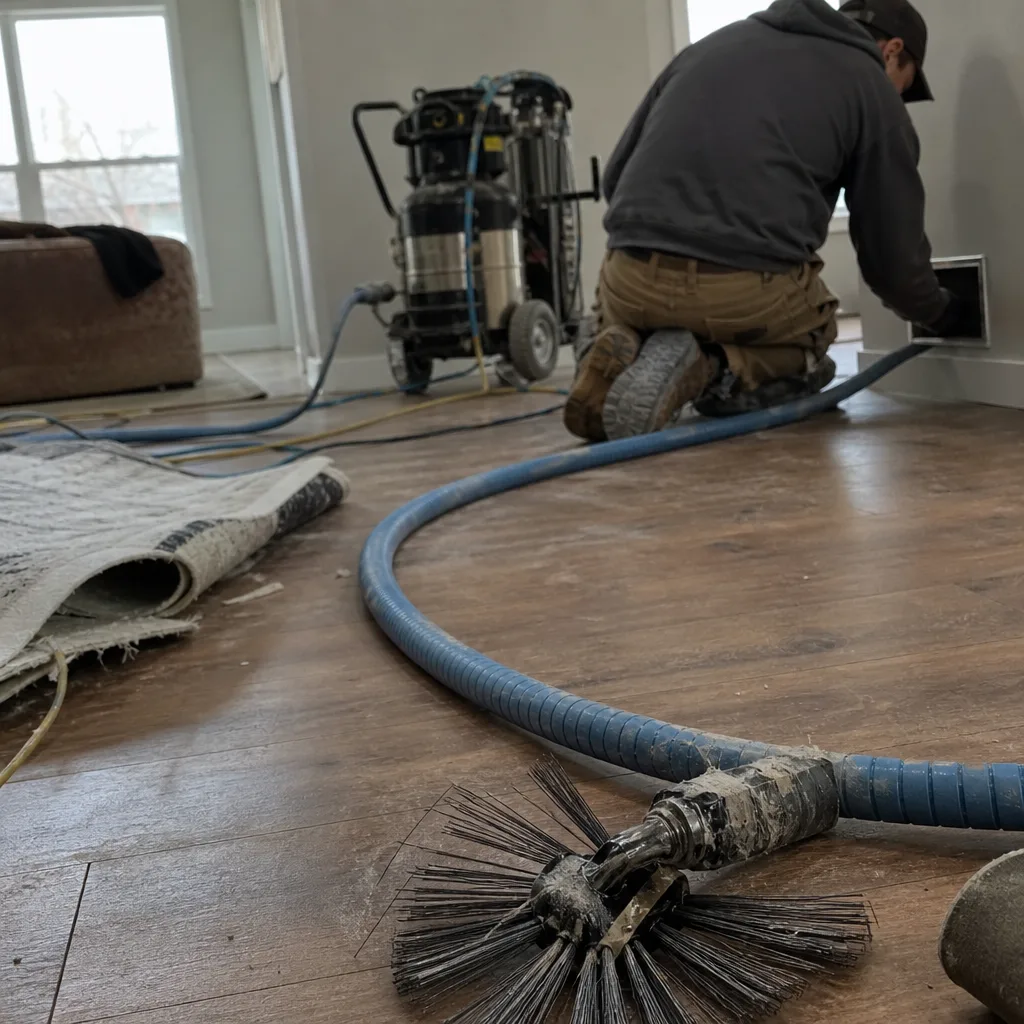 Before
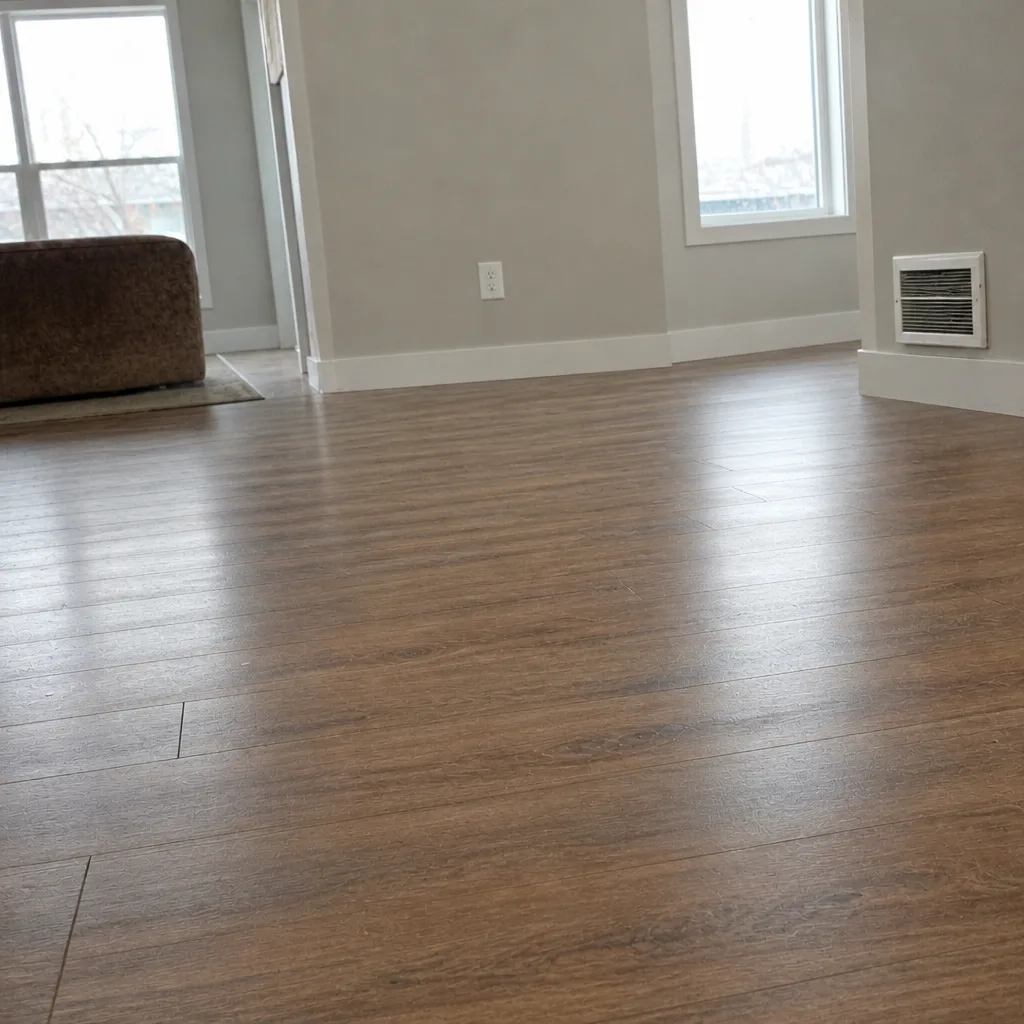 After
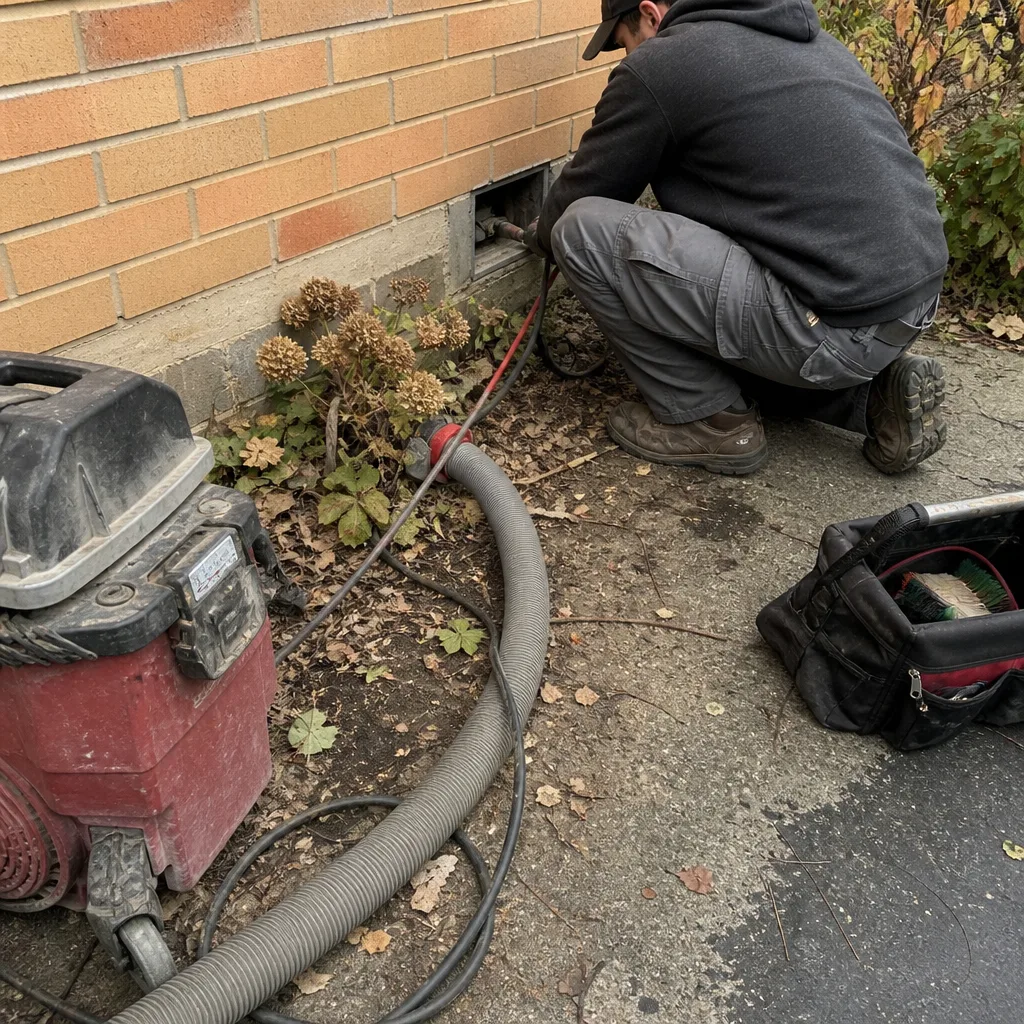 Before
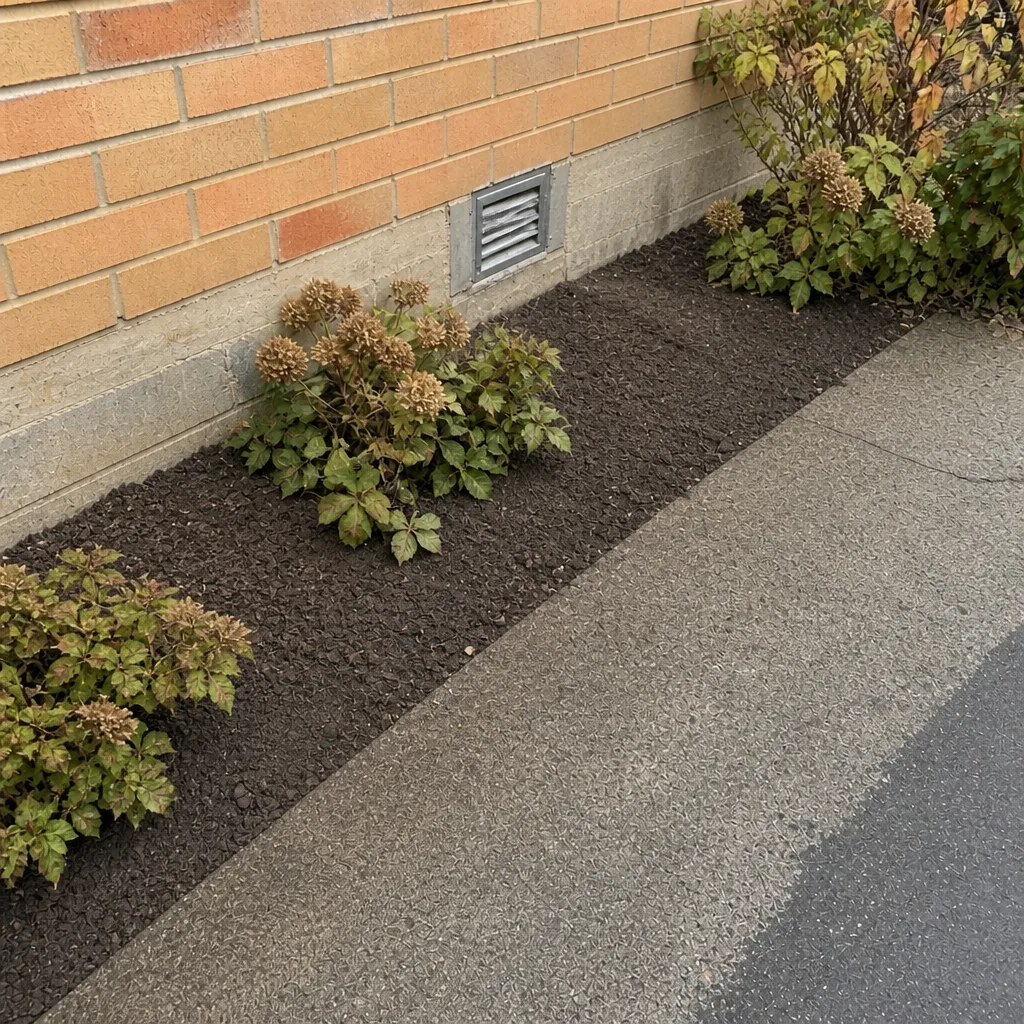 After
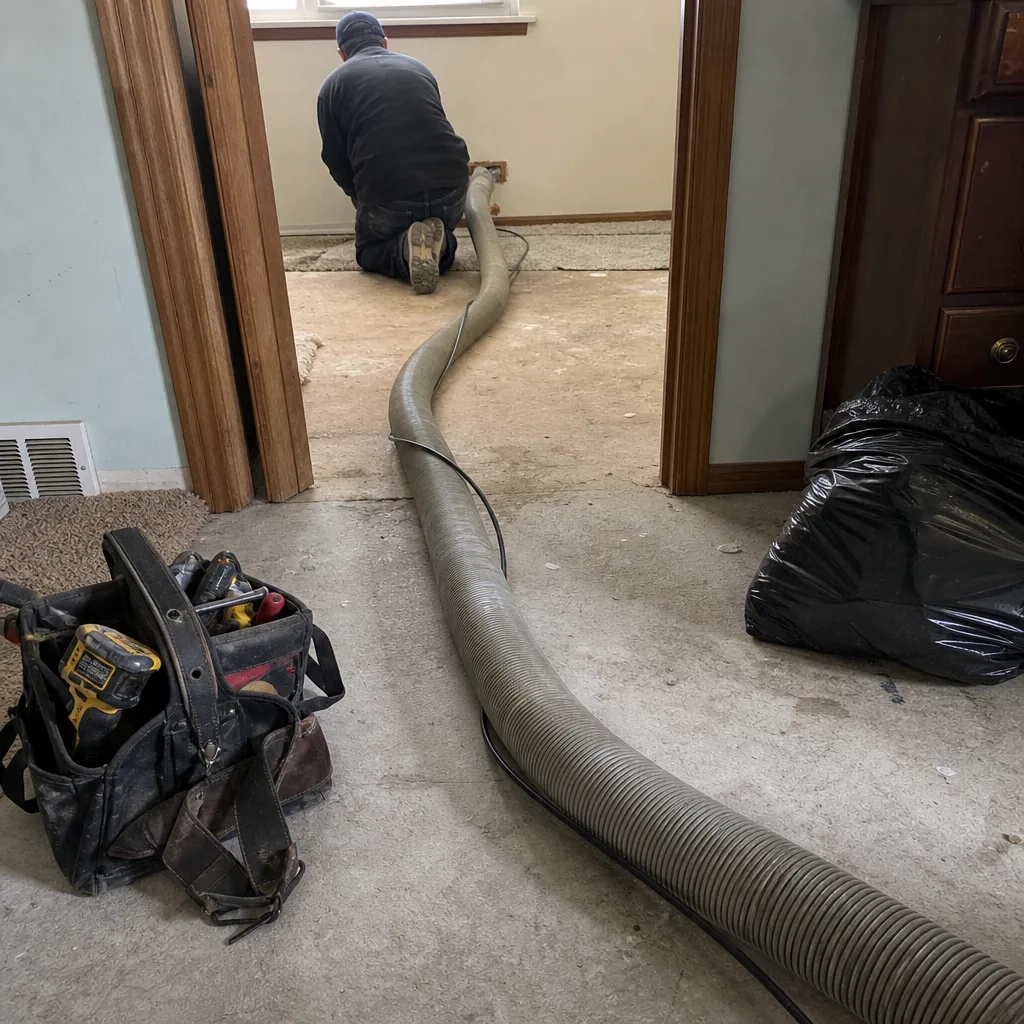 Before
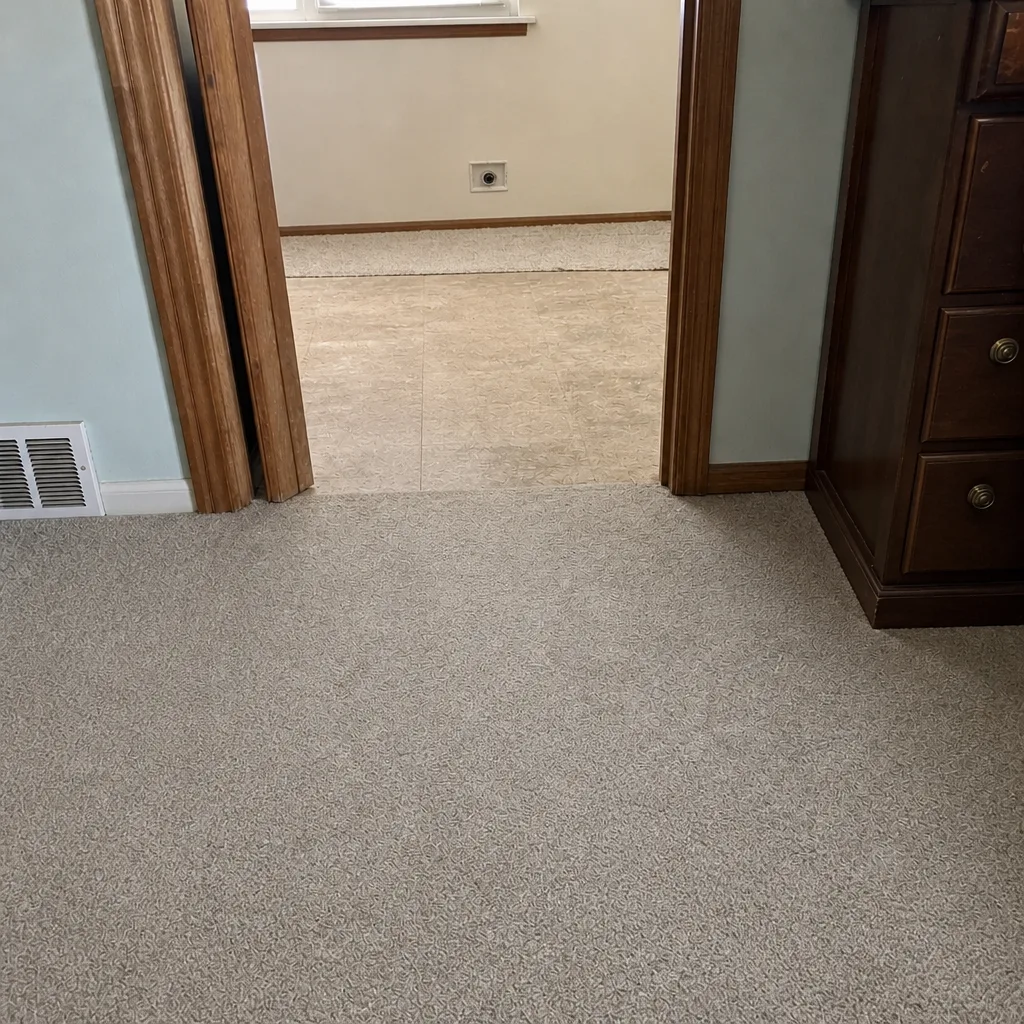 After
When to Call a Professional
Call a professional when the job stops being routine cleaning and starts involving the mechanical system. That includes any situation where a duct is disconnected, loose, crushed, or leaking at a joint; where sealing, rerouting, or plenum work is being proposed; where you’re adding a UV-C system, purifier, or ERV that ties into the duct; where you’ve noticed pressure problems, uneven airflow room to room, or a musty smell that keeps returning after cleaning; and where you’re buying or selling a home and the permit history is unclear. It also includes situations where the source of the problem hasn’t been identified, since cleaning without a diagnosis is often a repeat expense. If you’re not sure which category your job falls in, call and describe it. We’ll tell you which lane it’s in. Riverton Air Duct Cleaning offers free estimates in Riverton and the surrounding communities; call (844) 569-6963 for a written estimate. We answer 24/7. Fast dispatch from 7am to 7pm, Sunday through Friday.
Frequently Asked Questions
No. Air duct cleaning is routine maintenance and does not require a permit in Riverton or anywhere in Utah. Permits apply to modifications of the mechanical system, such as new duct runs, added exhaust or fresh-air ducting, plenum adjustments, or hardwired air-quality equipment. Call (844) 569-6963 for an exact quote on cleaning, repairs, or air-quality upgrades; estimates are free.
Cheap quotes usually come from crews using consumer-grade vacuums, skipping containment, or pricing a base rate that grows once the technician is on site. That’s the bait-and-switch pattern this trade is known for. Our quotes are whole-system prices agreed before work starts, with no per-vent line items and before-and-after photos of your own ducts. Call (844) 569-6963 for a written estimate.
Sometimes. Restoring an existing joint with mastic during cleaning is usually a repair in place. Adding new ductwork, extending runs, or changing the plenum configuration moves into licensed HVAC territory and often requires a permit. Ask which category the fix belongs to before work starts. Call (844) 569-6963 and we’ll walk through what your system needs.
You should be able to see it. Ask for before-and-after photos of your own system, not stock images. Ask which equipment was used (Rotobrush contact cleaning, Nikro extraction, Abatement containment are the tools to look for), and ask for the permit inspection record if the job required one. If any of those can’t be provided, the work should be questioned. Call (844) 569-6963 with questions before hiring.
Not always, but sometimes. Plug-in in-duct UV-C lamps are often exempt. Hardwired purifiers, cabinet modifications, and ERV/HRV systems that penetrate the exterior wall and add ductwork usually require mechanical permits. The safe move is to ask up front whether the install requires a permit and which licensed professional will pull it. Call (844) 569-6963 for an assessment; estimates are free.
There’s no single schedule that fits every home. Most Riverton homes benefit from a full-system cleaning every three to five years, and more often (every one to two years) if you have pets, allergies, recent remodeling, or a home purchase in the last year. If the ducts are sealed properly and the system is well-maintained, longer gaps are reasonable. Call (844) 569-6963 for a free estimate based on your home.
The Bottom Line
Riverton’s air duct cleaning work doesn’t require a permit. But the repair, sealing, and air-quality installs that frequently accompany it do. That’s the whole story, and it’s the part homeowners rarely hear before signing an estimate. Check the DOPL license for any contractor proposing HVAC work. Ask whether the fix is a repair in place or a modification. Get the permit number in writing if there’s a permit. Get before-and-after photos of your own ducts. And if you’re buying or selling a home in Riverton, pull the permit history on any HVAC work in the last decade before you sign anything. Those four habits protect you through inspections, closings, and insurance claims. Start with a call. We answer questions on the phone without charge.
The rest of the indoor-air picture fits together too. Dryer vent cleaning is a fire-safety service and a maintenance job, not a modification. Riverton Air Duct Cleaning covers all five service categories so a homeowner doesn’t need to call three different contractors to get a system straightened out.
Call (844) 569-6963 for a free estimate. We answer 24/7. Fast dispatch from 7am to 7pm, Sunday through Friday.
Written by the team at Riverton Air Duct Cleaning.