
Last updated November 24, 2026
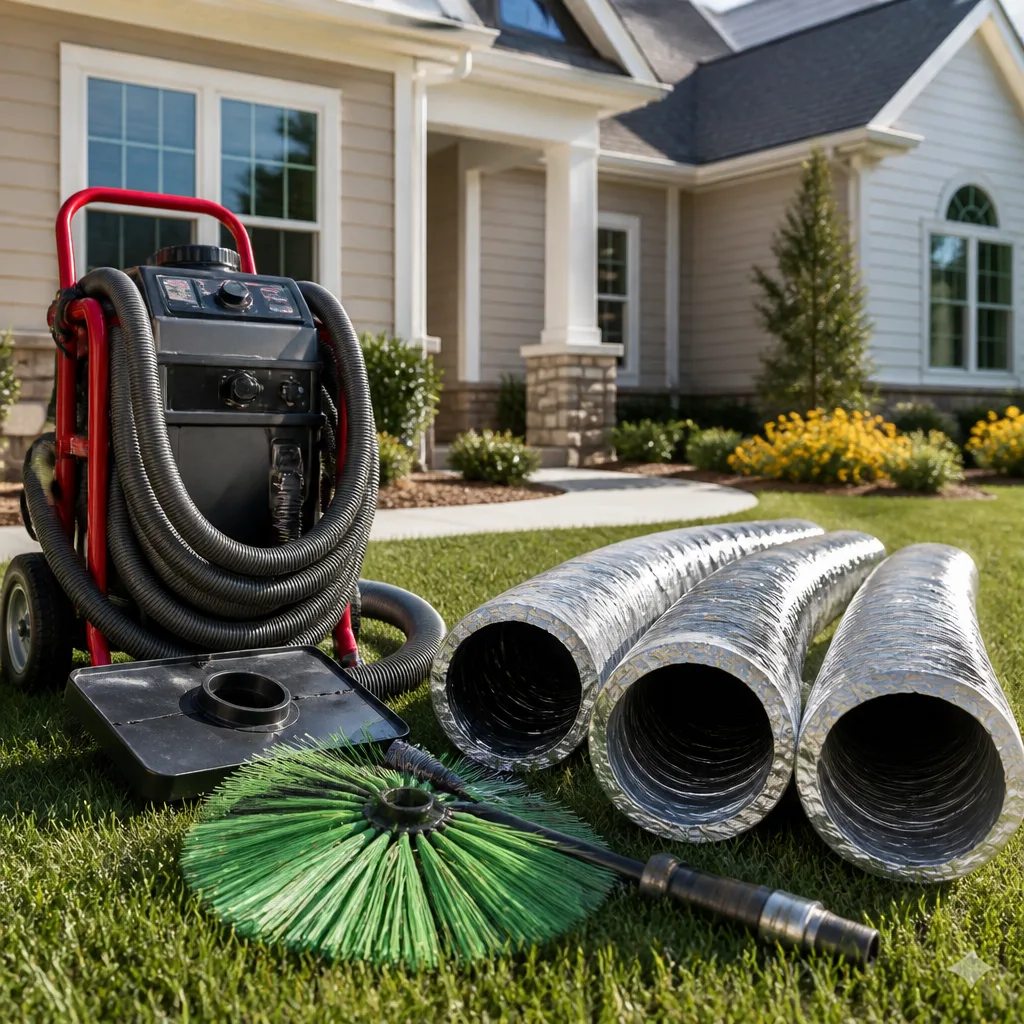 Whole-home duct cleaning
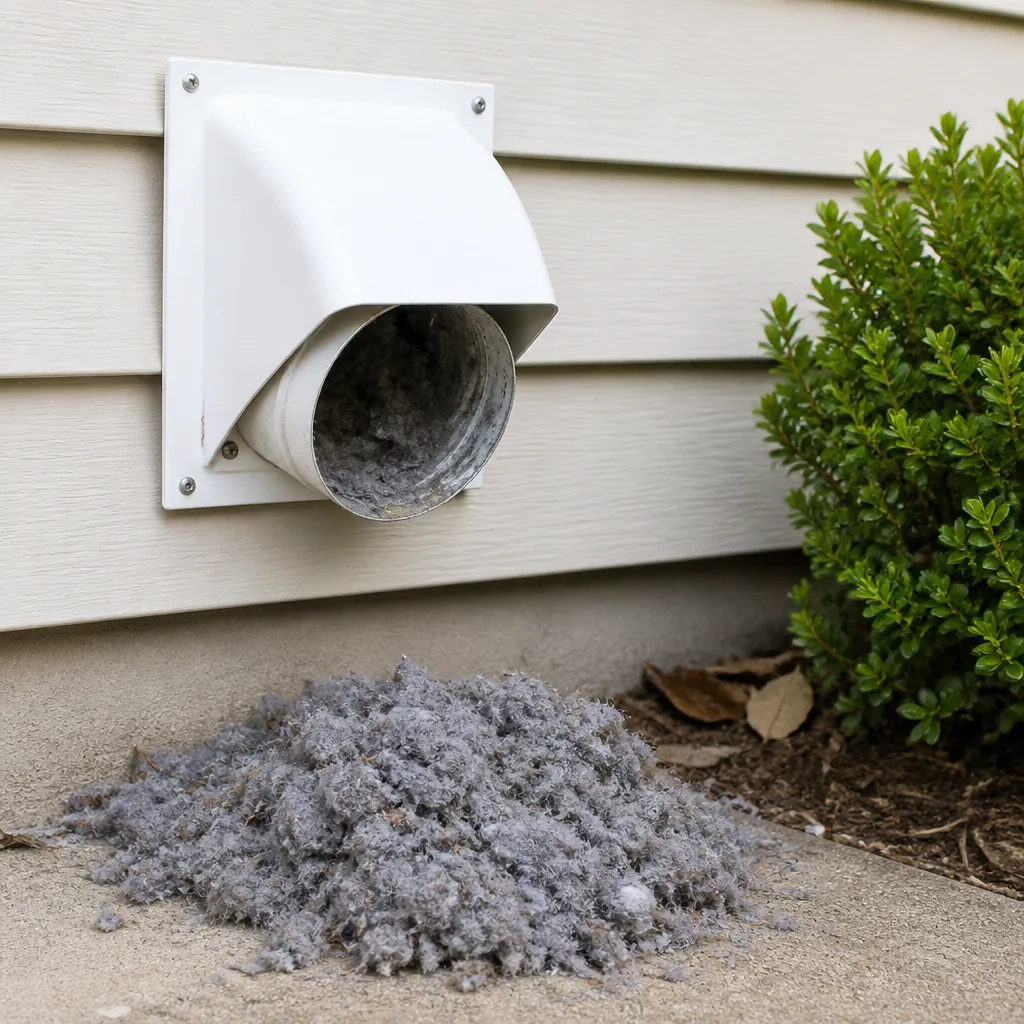 Dryer vent cleaning
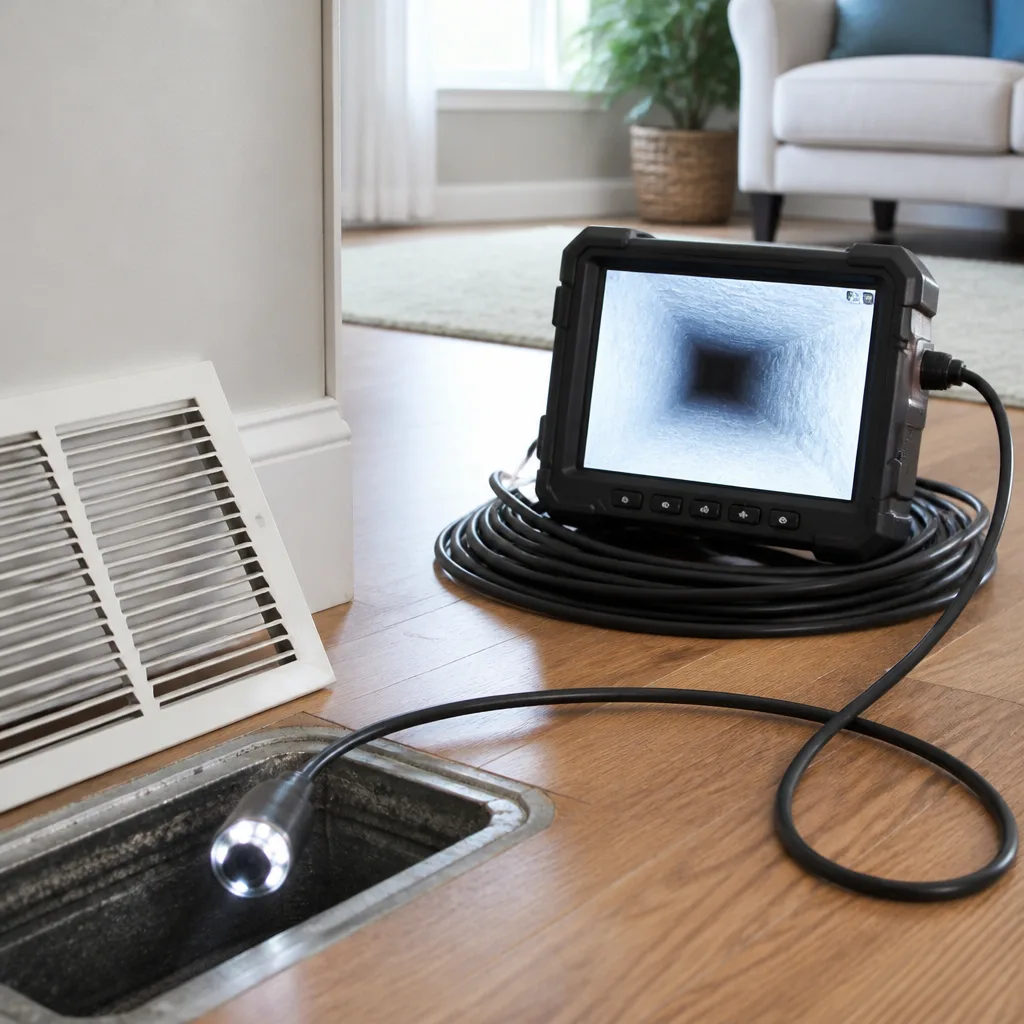 Camera inspection
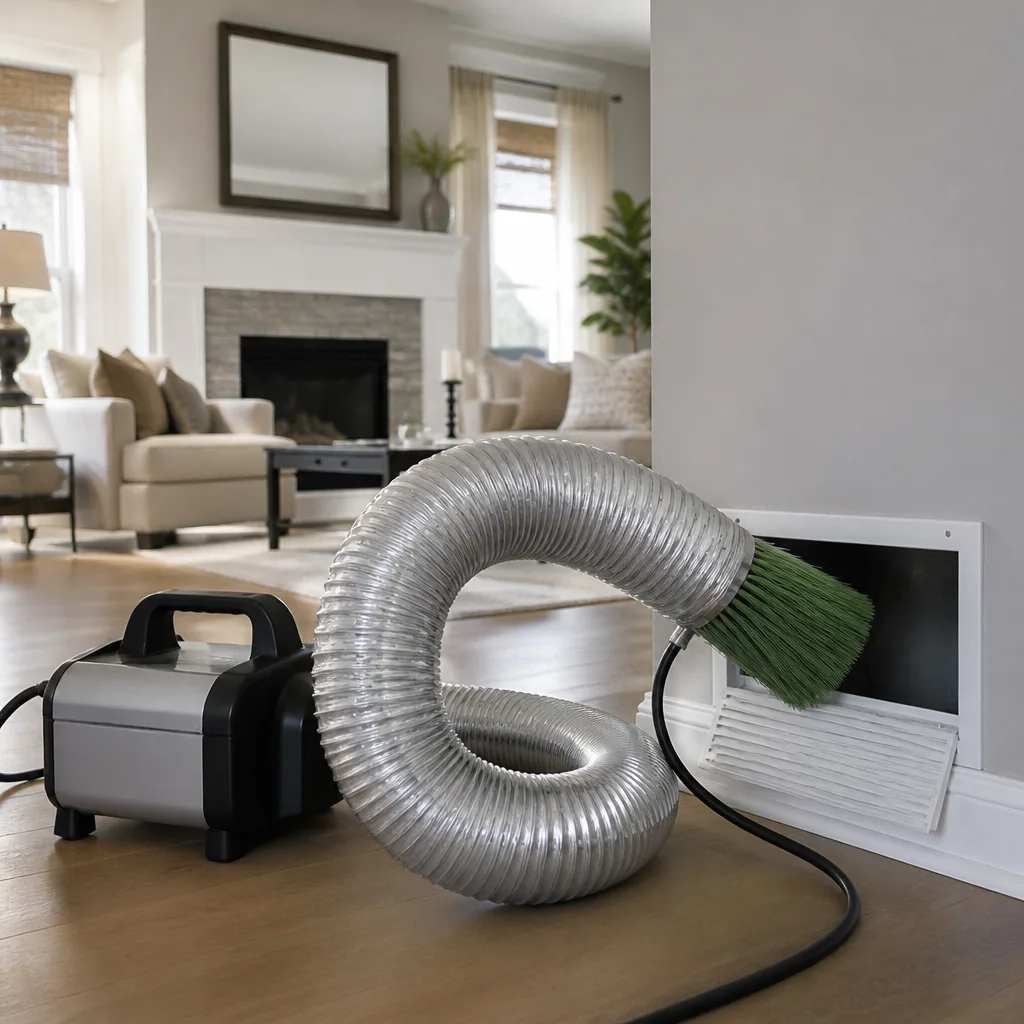 Sanitizing & deodorizing
Whole-system duct and dryer vent check with before-and-after photos - you see exactly what came out of your vents
That "$99 whole-house special" is a bait ad - the real number appears once they are in your hallway, or the "clean" is a shop-vac at the register. We photograph the inside of your ducts before and after instead.
DIY vs Professional Air Duct Cleaning: The Riverton Homeowner’s Decision Guide
Most homeowners in Riverton assume air duct cleaning is a matter of suction. Buy a shop vac, seal it to a register, run it for an hour, and the ducts are clean. It feels logical. It’s also where the confusion starts. Attaching a shop vac to a duct opening cleans the register face and maybe the first 18 inches of the run before the vacuum loses the airflow it needs to move anything heavier than surface dust. Everything past that point stays where it’s been sitting. Worse, the turbulence you create can loosen debris and let it settle further into the system. This guide explains the physics behind that, what you can legitimately do yourself, where DIY crosses a line, and how to decide what your Riverton home actually needs.
Quick Answer
For most Riverton homes, DIY air duct cleaning is not a substitute for professional service. A consumer vacuum can handle register faces, grille washing, and filter changes, but it cannot deliver the simultaneous negative pressure and mechanical agitation required to clean an entire duct run. Professional cleaning with equipment like Rotobrush contact cleaners and Nikro HEPA vacuums achieves what a shop vac cannot. If you have visible debris, musty odors, recent renovation dust, or allergy symptoms that get worse indoors, call a professional. If your system is generally clean and you’re doing routine upkeep, the DIY tasks in this guide are exactly what you should be doing.
Styles & brands we work with
- Whole-home duct cleaning
- Dryer vent cleaning
- Camera inspection
- Sanitizing & deodorizing
Table of Contents
- Why duct cleaning is a physics problem, not a suction problem
- What you can legitimately do yourself
- What DIY cannot touch, and why
- When DIY makes the problem worse
- The honest cost comparison
- How to maintain your system between professional cleanings
- Common mistakes to avoid
- When to call a professional
Why duct cleaning is a physics problem, not a suction problem
Effective duct cleaning requires two things happening at once: strong negative pressure pulling debris out of the system, and mechanical agitation breaking the bond between debris and the duct wall. Neither alone is enough. You can pull hard on a duct all day and the caked-on dust along the bottom of the run will not move because it’s physically adhered to the surface. You can scrub with a brush and knock debris loose, but if there’s no vacuum pulling at the same moment, that debris just redistributes into the airstream and settles somewhere else.
Professional systems are built around this dual requirement. A Nikro HEPA vacuum unit is engineered to hold consistent negative pressure across an entire duct run, measured in cubic feet per minute and static pressure, not just at the opening. Meanwhile, a Rotobrush contact cleaning system feeds a rotating brush and air whip through the run to agitate debris along every inch of the interior surface, including the corrugations in flex duct where dust accumulates in the valleys. Both tools work as a pair. Neither is a consumer-grade tool. A shop vac produces high velocity but very low sustained CFM once you add any length of hose or any restriction. That’s the difference a homeowner never sees: the vacuum works fine at the nozzle and does nothing forty feet down the run.
Containment matters too. A professional job uses an Abatement Technologies containment setup to keep the work zone under negative pressure so that loosened debris never re-enters the living space. A shop vac has no such containment. Everything it dislodges becomes airborne in the room you’re standing in. That’s why a thorough professional clean can be measured, and a DIY attempt usually can’t.
What you can legitimately do yourself
There’s plenty of maintenance a homeowner can and should do without a professional. These tasks improve airflow, cut dust, and extend the interval between full cleanings. They don’t replace professional service, but they’re real, and doing them well meaningfully changes how quickly your system loads up.
- Clean the register faces and return air grilles. Remove each grille with a screwdriver, wash it in warm soapy water, dry it fully, and reinstall. Wipe the visible duct throat with a damp cloth. This is the surface every homeowner can see, and it’s the first thing that gets dusty between cleanings.
- Vacuum the register boot. The short section between the grille and the main duct can usually be reached with a shop vac hose for the first few inches. Get what you can reach. Do not force a brush deep into the duct – that’s the point where DIY becomes risky.
- Inspect the dryer vent visually. Unhook the flexible transition behind the dryer and look for lint buildup. If airflow from the exterior vent is weak or the lint screen fills within a couple of loads, that’s a genuine safety signal. Dryer vent cleaning is a separate service for a reason – it addresses one of the leading household fire causes, and it deserves the same professional standard as duct work.
- Optimize the filter system. Match the filter to the system. A MERV 13 filter in a system designed for MERV 8 will choke airflow and cost you more in energy than it saves in filtration. Change on schedule, not on a fixed calendar – a home with pets in Riverton needs a faster cycle than one without.
- Seal obvious leaks you can safely reach. Foil tape on accessible joints around the air handler and in unconditioned attic space reduces dust draw-in. Skip anything that requires opening the air handler cabinet.
What DIY cannot touch, and why
The reason most DIY duct cleaning falls short is the same in every Riverton home: the reach limit. A consumer vacuum loses usable suction within the first couple of feet of a run. That means the ducts feeding the furthest bedrooms, the return trunk that runs the length of the house, and the trunk line above the air handler are effectively untouched. Those are also the sections that accumulate the most debris because they see the most air.
Beyond reach, three things require professional equipment:
- Simultaneous agitation and extraction. Rotobrush contact cleaning systems deliver both at once. A homeowner can scrub or vacuum, never both simultaneously, and the moment you stop scrubbing, debris resettles.
- HEPA-grade filtration. Nikro units filter exhaust air to a HEPA standard so what comes out of the vacuum is clean. A shop vac exhaust re-injects fine dust into the room you’re standing in.
- Containment. Abatement Technologies containment keeps the work zone at negative pressure, so debris removed from a duct never briefly enters the living space. Without containment, any mold, pet dander, or renovation dust you dislodge is effectively airborne in your house.
There’s also the matter of what’s inside the ducts that you can’t see. A thin dust coating looks harmless. But if there’s moisture present, that dust is the food source for microbial growth, and dislodging it without containment is how a homeowner spreads a localized problem through the whole house. Our air duct cleaning service uses professional equipment precisely because those are the risks a shop vac cannot manage.
When DIY makes the problem worse
Not every DIY attempt is neutral. In the wrong conditions, vacuuming ducts at home can actively degrade the system. In our experience, these are the four scenarios where homeowners should stop before starting:
- Visible mold or a persistent musty smell. If you can see dark speckling near a register or the smell returns within weeks of cleaning, there’s moisture in the system. Agitating mold colonies without containment aerosolizes spores into the living space. That’s a professional job with containment, not a shop vac job.
- Debris near the air handler. Vacuuming a run often pushes as much debris toward the air handler as it pulls out. If that debris reaches the blower motor or coils, you’ve traded a cleaning problem for a repair problem. Professional systems pull toward containment, not toward equipment.
- Older flex duct systems. The insulation lining inside flex duct becomes brittle with age. Consumer brushes and high-pressure vacuuming can tear it, and once the lining is compromised, that run has to be replaced. Older Riverton homes with original flex duct in unconditioned attic space are especially at risk.
- Recent renovation or construction dust. Drywall dust is fine, abrasive, and coats the entire system. Vacuuming it triggers exactly the redistribution problem described above. Containment is essential when you’re dealing with post-renovation dust.
If any of those four apply, the DIY decision is over. Call a professional. The point is not to make DIY sound dangerous – most of it is fine – but to name the conditions where it stops being fine.
The honest cost comparison
Framing DIY vs professional as purely a cost question is what creates the worst decisions. A homeowner decides a professional cleaning is “too expensive” and rents a shop vac for a weekend. What that homeowner never accounts for is the time, the equipment rental, the containment materials they don’t have, and the reality that they’ve cleaned maybe a third of the system. The professional service takes less time and covers all of it. Here’s what the comparison actually looks like:
| Item | DIY approximate cost | Professional approximate cost |
|---|---|---|
| Equipment | Shop vac rental or purchase, hose extension, brush kit | Included in service price – Rotobrush, Nikro, containment all provided |
| Materials | Foil tape, coil cleaner, grille cleaner, HEPA filter upgrade | Included in service price |
| Time | A full day for a partial job, often two days | Half a day or less for a full-system clean |
| Coverage | Register faces and the first 18 inches of each run | Full runs, trunk lines, boots, and air handler |
| Containment | None | Abatement Technologies negative-pressure containment |
| Extraction filtration | Shop vac exhaust (re-injects fine dust) | HEPA-grade exhaust from Nikro units |
| Repair of damaged lining | Not addressed | Diagnosed and fixed on-site with Duct Repair & Sealing |
Two numbers tell the truth: equipment plus materials, and coverage per dollar spent. The DIY figure looks lower until you run the coverage comparison. A homeowner who does a legitimate DIY clean of the accessible parts is spending their day and getting partial coverage. Three of those DIY days cost more in time than one professional clean, and you still don’t have the trunk lines. The breakeven lands somewhere around the second serious DIY attempt, and that’s before counting damage risk.
Pricing for a professional clean is set per job by a written estimate. Weather doesn’t change the number, the size of the house doesn’t surprise you at the door, and there are no per-vent add-ons. That’s the whole reason to compare honestly – the number you agree to upfront is the number on the invoice. Estimates are free. Our Riverton Air Duct Cleaning team walks through the system before quoting.
How to maintain your system between professional cleanings
A home that stays clean longer is doing these tasks consistently. Here’s what a homeowner can maintain after a professional cleaning has reset the system, and what you should never try to replicate on your own.
What you can maintain:
- Filter changes on the right schedule – check the manufacturer’s rating and your home’s dust load, not just a monthly habit.
- Register and grille washing every season.
- Return air grille vacuuming, which catches the lint that would otherwise fall into the return trunk.
- Visible leak sealing with foil tape around easily accessible joints.
- Keeping the return air path clear of furniture and stored boxes.
- Dryer vent lint screen cleaning before every load, and visual inspection of the exterior vent flap every few months.
What you should never try to replicate:
- Full-run brush cleaning with consumer tools – the risk of tearing flex duct lining outweighs any good it does.
- Any cleaning near or inside the air handler cabinet. That requires the system off, containment, and professional familiarity with the equipment.
- Sanitizing or chemical treatment. Application is a follow-up step done after cleaning, with containment, using products matched to the system. Our HVAC cleaning service treats the air handler, coils, and blower as part of the same job, and sanitizing is done in that same integrated sequence.
- Duct Repair & Sealing. If a run is leaking or the lining is damaged, the fix is diagnosis and repair, not a home-applied tape job.
If you replace your own filters and wash registers but leave the deep work to a professional, you’re doing the maintenance correctly. That’s the model that keeps a system running well and keeps a real cleaning from becoming necessary every year.
See the difference
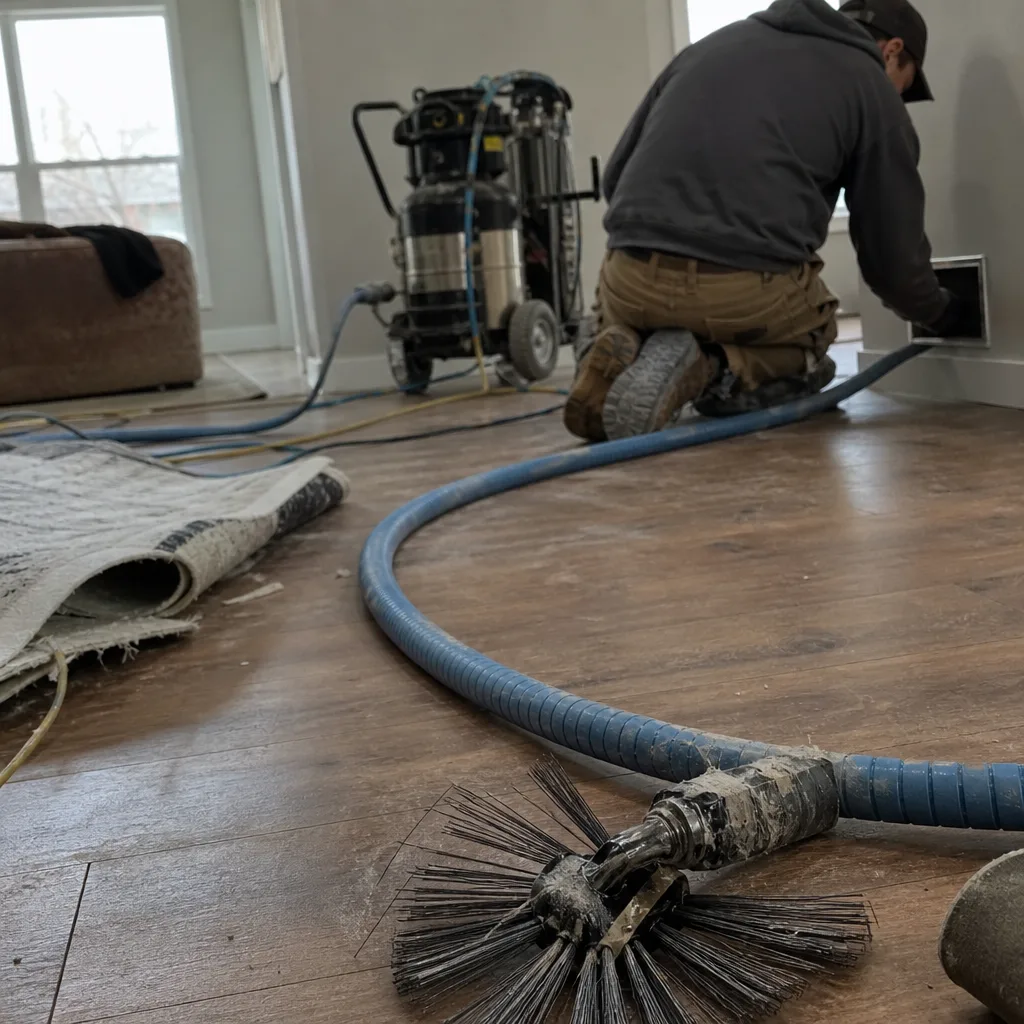 Before
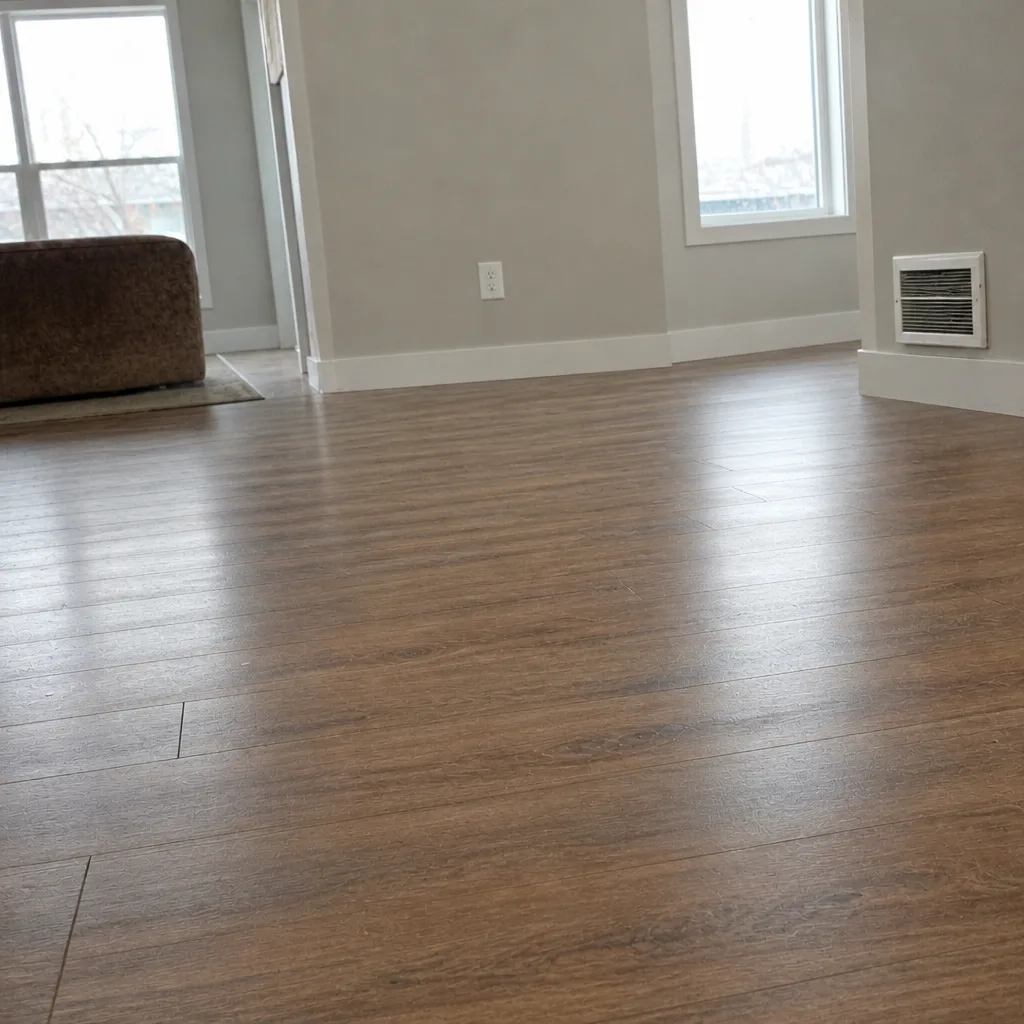 After
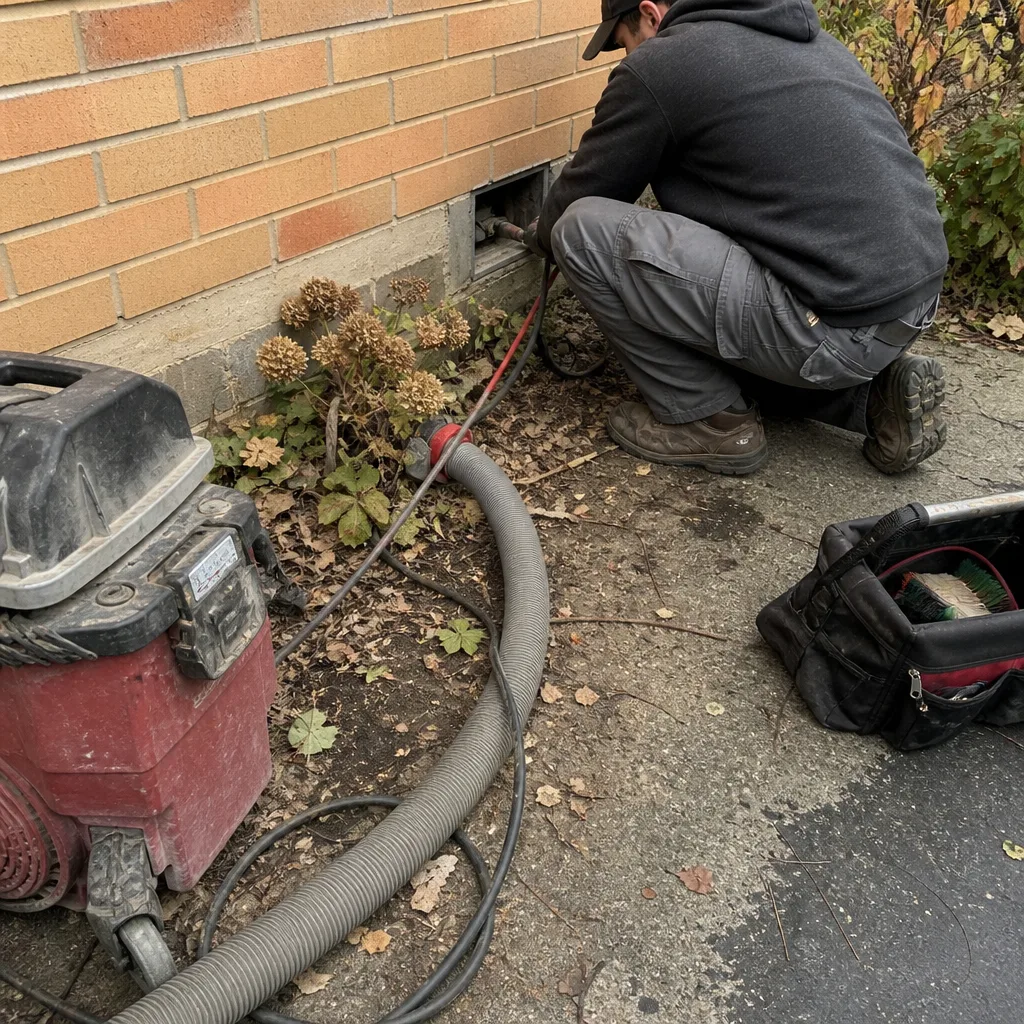 Before
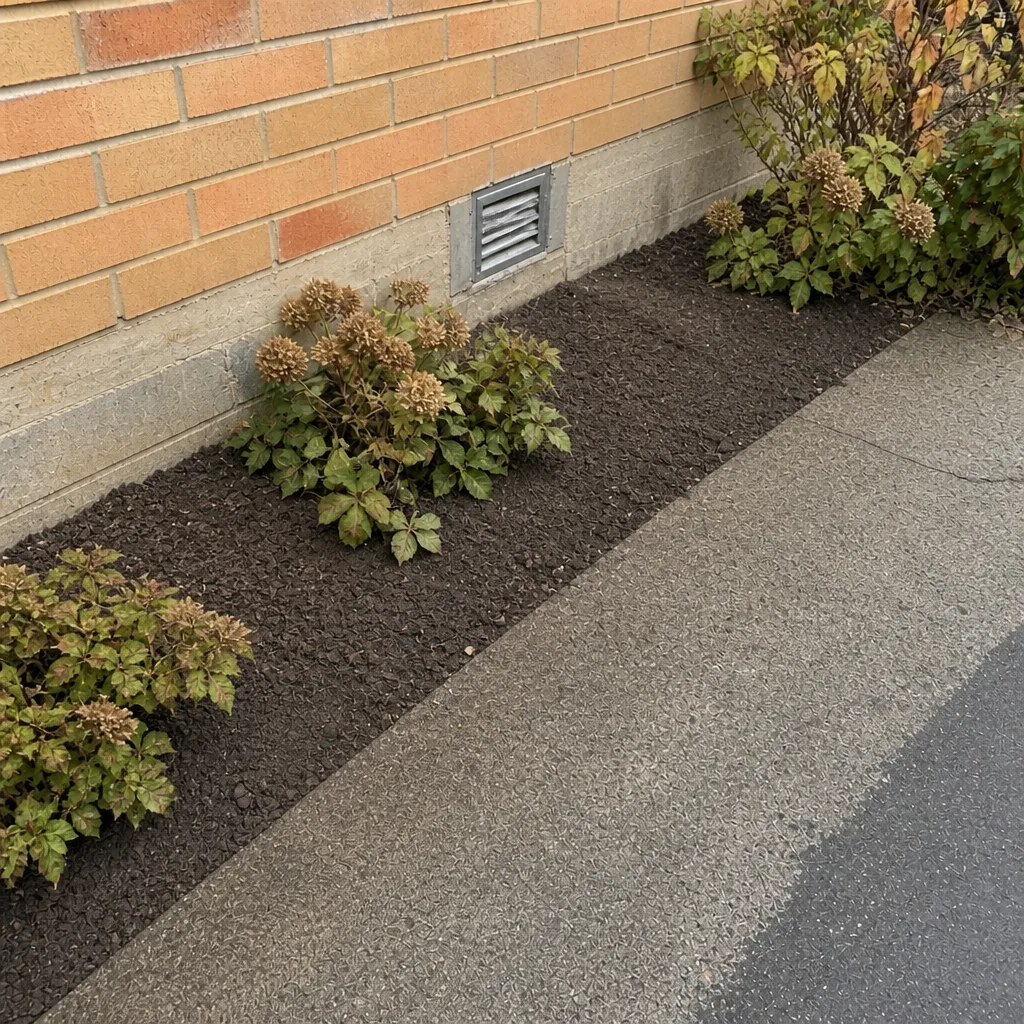 After
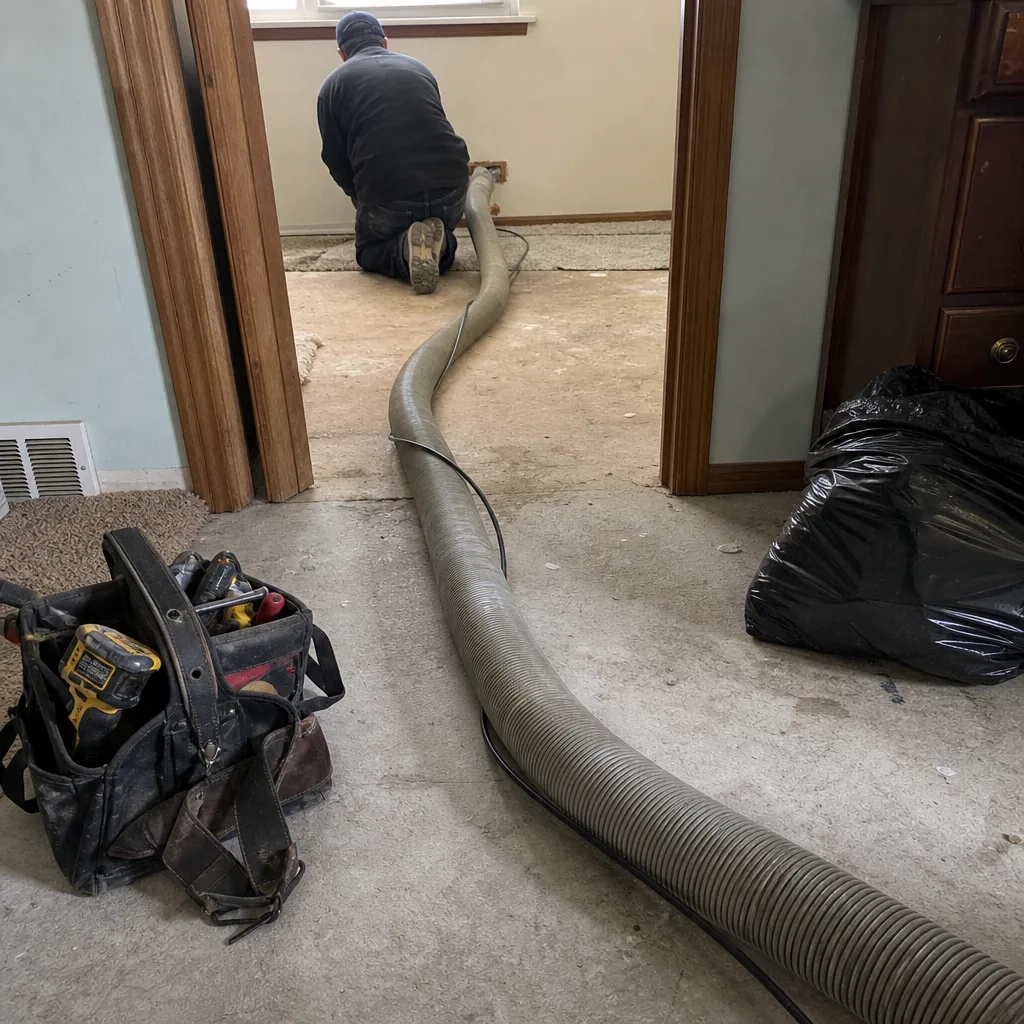 Before
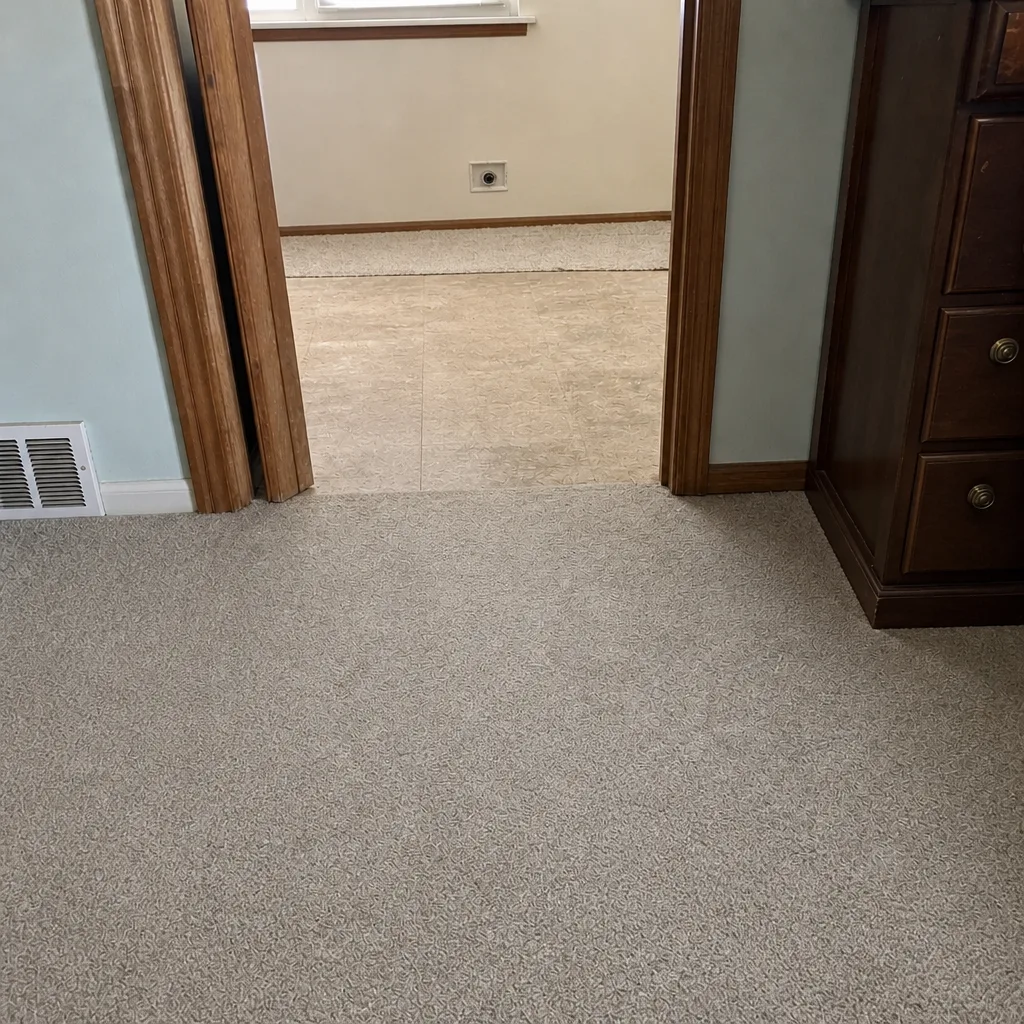 After
Common Mistakes to Avoid
- Assuming suction equals cleaning. A shop vac moving air at the opening is doing very little forty feet into the run. Every homeowner who tries this alone discovers the same thing.
- Using a shop vac as a “duct vacuum.” There’s no such thing. Without containment, the exhaust re-injects fine dust into the room you’re working in.
- Ignoring the dryer vent while focusing on ducts. A dry vent runs hot and long, and it’s a genuine fire-safety concern. Dedicated dryer vent cleaning uses the same professional equipment standard as duct work. Don’t treat it as the free add-on.
- Venting a duct brush into flex duct lining. Consumer brushes don’t have the flexibility control to avoid tearing older lining. Once torn, that run must be replaced.
- Skipping containment during any mold or renovation dust situation. That’s the scenario where DIY actively spreads spores through the house. Containment and professional equipment are not optional.
- Chasing an unusually low quoted price without asking what’s included. A price below the realistic market range almost always means partial coverage – the accessible lines only, or a blow-through that leaves the trunk behind.
- Deciding the system is “clean enough” after a partial job. A homeowner who vacuums register faces and calls it done downplays the trunk lines where most of the debris accumulates. Partial cleaning plus a false sense of completion is worse than no cleaning plus a scheduled call.
When to Call a Professional
Call a professional in any of these situations: visible debris around registers or on the return grille, a musty or stale smell that returns after cleaning, allergy symptoms that get worse indoors, a recent renovation that left drywall dust in the system, an older home with original flex duct, a dryer that runs hot or takes two cycles to dry a load, an unexplained jump in your energy bill, or a home purchase where the system’s history is unknown. In each of those cases, the DIY decision stops being a matter of saving money and becomes a matter of protecting the system and the house. Our technicians have up to 9 years of experience and use professional-grade equipment from Rotobrush, Nikro, and Abatement Technologies. Riverton Air Duct Cleaning offers free estimates in Riverton – call (844) 569-6963. We answer 24/7. Fast dispatch from 7am to 7pm, Sunday through Friday.
Frequently Asked Questions
You can clean the register faces and the first 18 inches of a duct run with a shop vac, but that’s the limit. Consumer vacuums lose the airflow needed to move debris from deeper in the system, and without containment, any dust you dislodge ends up back in the room. A full-system clean requires professional equipment. Call (844) 569-6963 for a free estimate – we’ll tell you honestly whether your system needs work.
The price is set per job by a written estimate after we look at your system. Every job includes the full runs, trunk lines, boots, and air handler – not just the accessible sections. There are no per-vent add-ons and no surprise charges at the door. Call (844) 569-6963 for an exact quote – estimates are free.
Cheap quotes are usually cheap because they cover a fraction of the job. The lower number typically means partial coverage – accessible registers only, or a blow-through that leaves the trunk lines untouched. Ask exactly what’s included before choosing a price. Call (844) 569-6963 and we’ll walk through what a full-system clean covers for your Riverton home.
Most homes don’t need an annual clean. A well-maintained system in a Riverton home with no pets, no recent renovation, and no moisture issues is usually on a several-year cycle. Homes with pets, allergies, recent construction, or older flex duct benefit from more frequent service. The routine maintenance tasks in this guide extend the interval. Call (844) 569-6963 for an honest read on when your system actually needs its next clean.
Ask for before-and-after photos of your own ducts. Any professional service should be able to show you what was removed from the system and what it looks like after. We show you what we found and what we did. Call (844) 569-6963 to set up an estimate – you’ll see exactly what’s involved.
Yes, and you should. Filter changes on the right schedule, seasonal register washing, return grille vacuuming, and dryer vent lint maintenance all extend the interval – Riverton’s dry climate means less moisture in the system, which reduces microbial risk but not the dust and pet dander load. What you can’t do is replace full-run cleaning with DIY. Call (844) 569-6963 and we’ll tell you what interval makes sense for your system.
The Bottom Line
DIY air duct cleaning is a real thing for a specific, narrow part of the system: register faces, grille washing, filter optimization, visible inspection. Anywhere past the first foot or so of a duct run, the physics take over – no consumer tool delivers simultaneous negative pressure and mechanical agitation, which is why a professional clean looks different and lasts longer. Most homeowners should do the maintenance tasks, leave the full runs to a professional, and never touch a system that’s showing mold, moisture, or post-renovation dust without containment. Our whole system – from air duct cleaning through sanitizing and duct sealing – is handled by the same team, so you don’t need a second contractor. Call Riverton Air Duct Cleaning at (844) 569-6963 for a free estimate. Estimates are free, the price is set per job by the written estimate, and before-and-after photos are part of every job.
Written by the team at Riverton Air Duct Cleaning.