
Last updated November 24, 2026
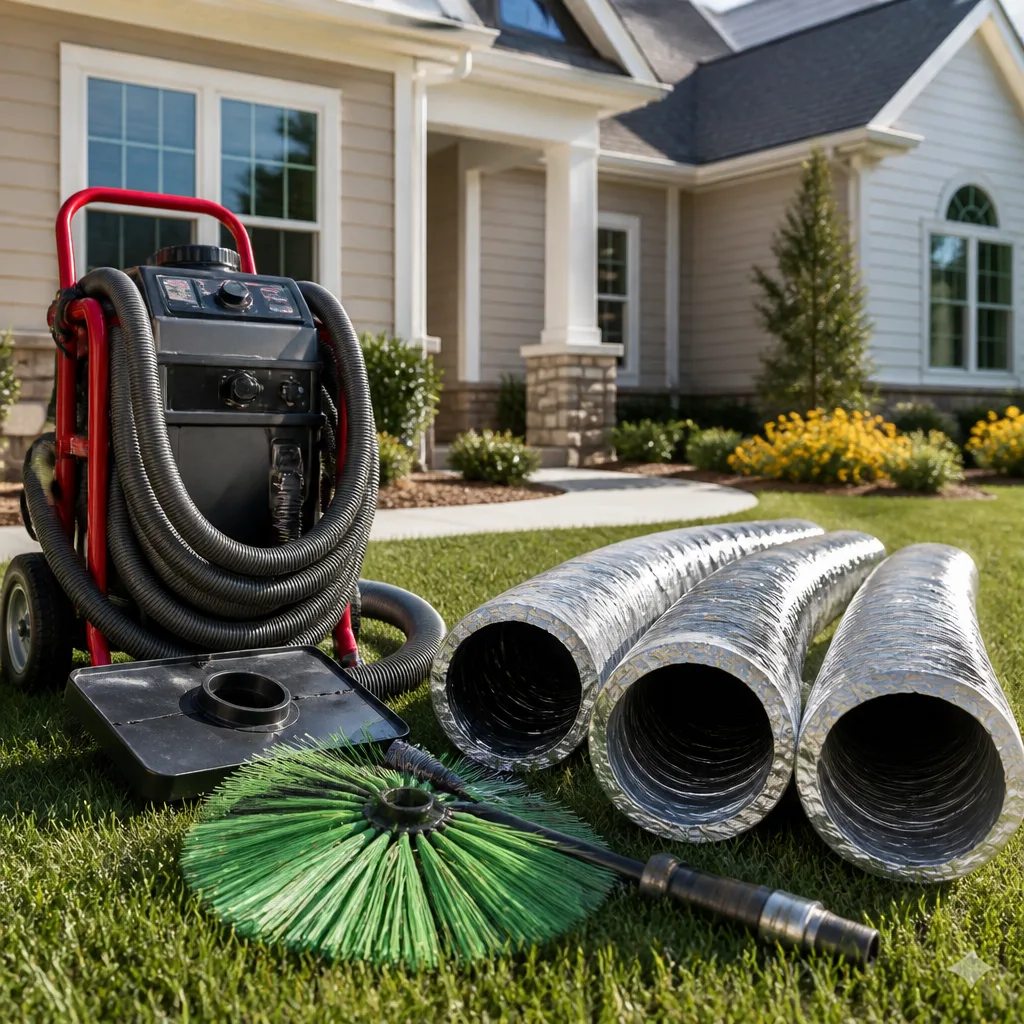 Whole-home duct cleaning
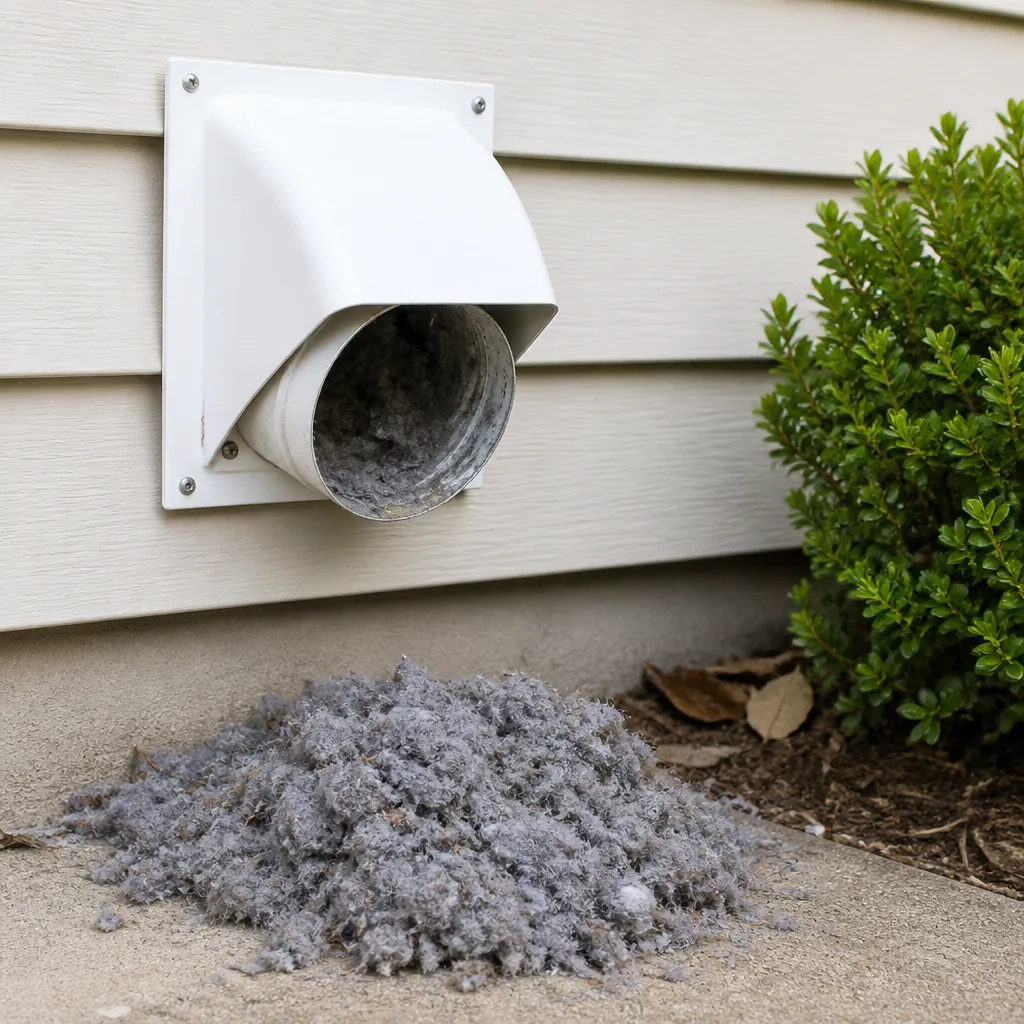 Dryer vent cleaning
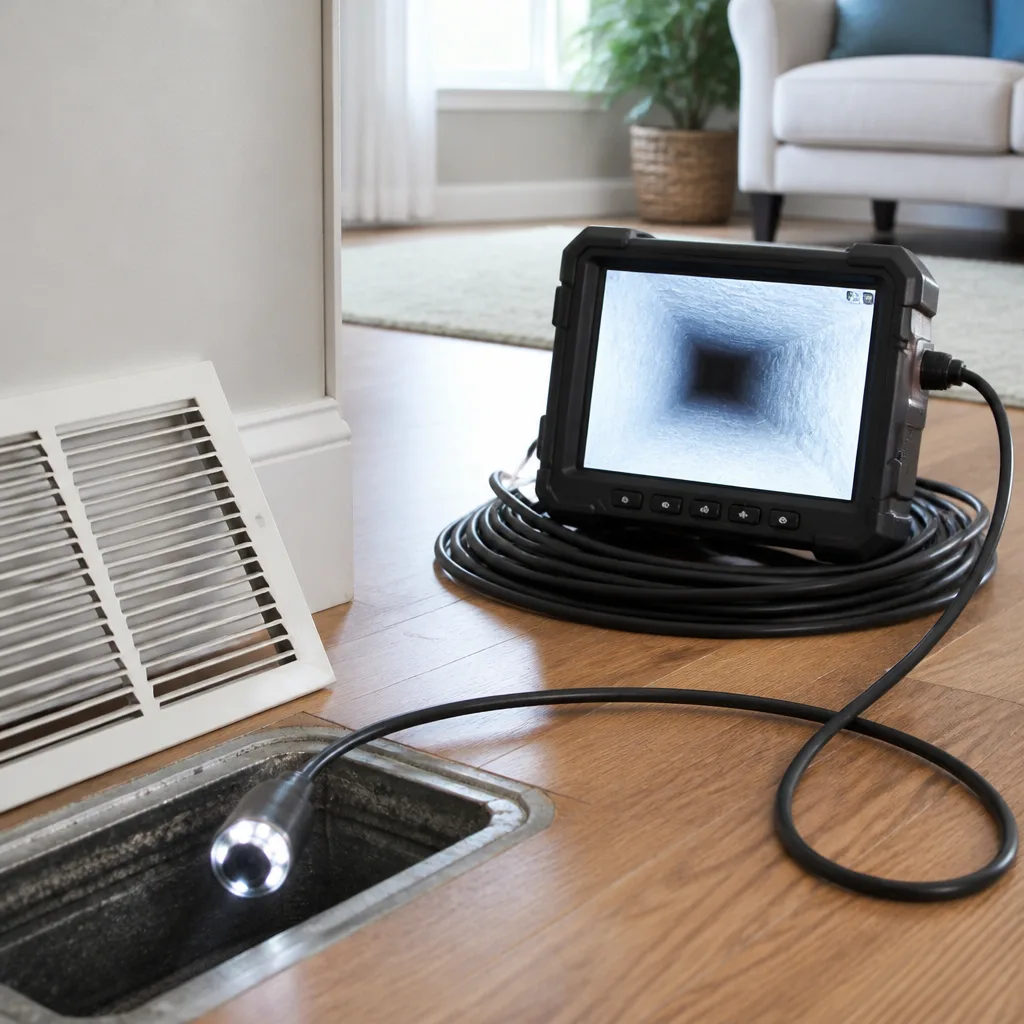 Camera inspection
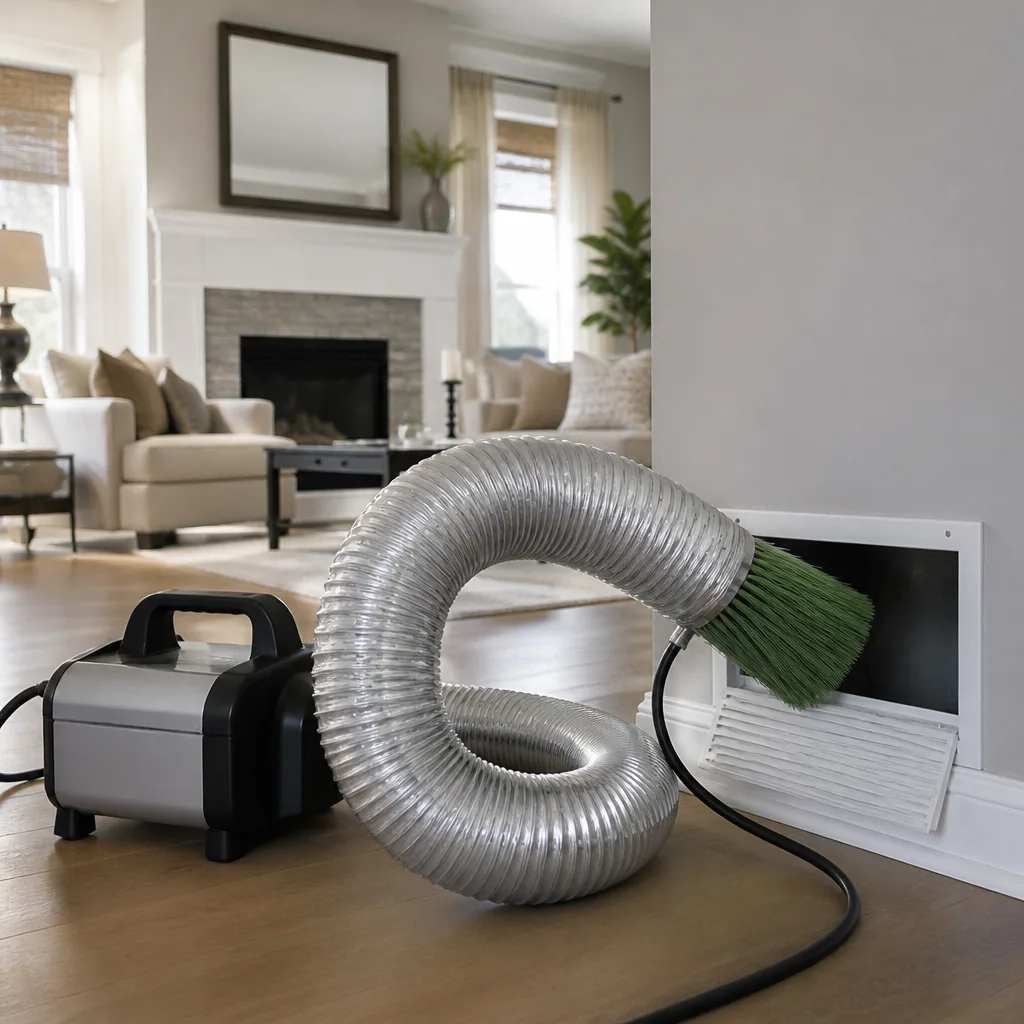 Sanitizing & deodorizing
Whole-system duct and dryer vent check with before-and-after photos - you see exactly what came out of your vents
That "$99 whole-house special" is a bait ad - the real number appears once they are in your hallway, or the "clean" is a shop-vac at the register. We photograph the inside of your ducts before and after instead.
Air Duct Cleaning Cost Breakdown: The Riverton Homeowner’s Reference for 2026
A $200 duct cleaning quote and a $600 quote in Riverton can both be completely reasonable, or both be completely wrong. The number on its own tells you almost nothing until you know how many registers the price covers, what method the crew plans to use, whether sanitizing is folded in or billed separately, and what equipment actually shows up. Most homeowners compare two bids as if they’re measuring the same thing, then pick the smaller number and discover a month later that the work was never equal. This guide breaks a Riverton duct cleaning bill into its real parts, so you can read a quote for what it is instead of guessing. You’ll learn what drives cost up and down here, why per-vent pricing deserves a second look, and how to tell a scope difference from a margin difference.
Quick Answer
A full-system air duct cleaning in Riverton for a typical single-family home generally falls in the $350 to $750 range in 2026, depending on register count, duct condition, and whether sanitizing or repairs are added. The price you’re quoted should be one flat figure per system, agreed before any work starts, based on how much ductwork actually needs cleaning rather than a per-vent headcount. Anyone quoting per vent is telling you something about how they operate.
Styles & brands we work with
- Whole-home duct cleaning
- Dryer vent cleaning
- Camera inspection
- Sanitizing & deodorizing
Table of Contents
- What actually drives cost in a Riverton duct cleaning quote?
- The line items behind a full-system cleaning
- Why per-vent pricing is a red flag
- The hidden cost of the $150 cleaning
- What legitimately raises cost in Riverton homes
- How to evaluate two quotes side by side
- How a professional cleaning actually runs
- Common mistakes to avoid
What actually drives cost in a Riverton duct cleaning quote?
The real cost drivers are register count and linear footage of ductwork, not square footage. Square footage is the easy proxy everyone uses because it’s on the listing, but in Riverton’s older split-level homes the two numbers diverge sharply. A home listed at 2,100 square feet can carry anywhere from 14 to 26 supply registers once you count finished basements, additions, and the bonus rooms that were carved out of attic space over the years. More registers means more flexible branch runs, more junction boxes, more boots at the floor and ceiling, and more places where dust and debris collect. That’s the work. That’s what you’re paying for.
Linear footage matters for the same reason. A long, sprawling ranch-style layout can have a run from the furnace to the far bedroom that’s forty feet or more, with a couple of elbows along the way. A compact two-story has less trunk line but more vertical drops. Same square footage, different geometry, different amount of duct to clean.
Where square footage stops being a useful guess
When you call for an estimate, the two questions that actually matter are “how many registers do you have?” and “what’s the layout of the duct system?” Count the supply and return grilles yourself before you dial. Walk the house with a notepad and tally every visible vent. That count is the single most useful number you can give anyone for a quote, and it explains more of the price variation between two Riverton bids than any other variable. Homes that have been finished, expanded, or reworked over the years tend to accumulate registers that the original drawings never had.
Also note which system you have. Riverton homes sometimes run a gas forced-air furnace with central AC, and sometimes carry an evaporative cooler on the same or a separate duct path. Two systems mean two sets of ducts to clean, and that’s a legitimate cost difference, not padding.
The line items behind a full-system cleaning
A professional Riverton air duct cleaning quote shouldn’t be one vague lump sum. It should break into identifiable pieces, each with a scope you can read and question. Here are the ranges we see quoted for each service as a separate decision in 2026, so you can see what’s bundled into the number you’re given and what’s being charged extra. These are typical estimated ranges; the written estimate you receive sets the final price for your home.
Core duct cleaning (the base service)
This is the foundation: source removal of debris from the supply and return trunk lines, branch runs, registers, and the air handler cabinet. A proper job uses a powerful negative-pressure vacuum to hold the system under suction while a contact-cleaning tool loosens debris from the duct walls. With air duct cleaning done this way, the material is captured at the source instead of pushed around the house.
- Base duct cleaning, typical single-family home: $350 to $750 depending on register count and system complexity
- Larger or multi-zone systems: $700 to $1,100
- Commercial or property-manager scope: priced per job by the written estimate
Dryer vent cleaning (as a separate decision)
Dryer vent cleaning is a distinct fire-safety service, not a free add-on, and a quote that throws it in for nothing is telling you it isn’t worth much in their operation. It deserves its own price and its own attention.
- Dryer vent cleaning, typical residential run: $120 to $225
- Long, roof-routed, or obstructed runs: $225 to $350
Note that a dryer vent is not a duct, and it isn’t cleaned with the same tool. dryer vent cleaning is its own procedure with its own equipment, usually a rotary brush sized to the vent and a vacuum to capture lint.
Sanitizing application
Sanitizing follows cleaning, never replaces it. An antimicrobial fog applied to a still-dirty duct just seals nothing useful. When the system is clean and dry, a sanitizing treatment helps address the musty odor and microbial growth that don’t come off with a vacuum alone.
- Sanitizing application, full system: $75 to $250
- Spot treatment or limited scope: $50 to $125
UV-C system installation
Ultraviolet light systems mount at the air handler or coil to help keep the coil and drain pan clear of growth between cleanings. These are typically supplied and installed by a company that carries the equipment; a brand like Honeywell is common for air-quality controls that pair with UV-C or filtration.
- UV-C system with installation: $250 to $600, depending on unit and mounting location
Duct repair and sealing
Sealing leaking joints, reconnecting separated flex, replacing crushed sections, and re-taping or mastic-sealing boots improves HVAC efficiency and keeps contamination from re-entering the system. This is a diagnostic-and-repair line item, and it’s the piece most cleaning-only competitors cannot provide.
- Minor duct repair and sealing: $150 to $400
- More extensive repair, replacement of runs, or crawlspace work: $400 to $1,200 or more
HVAC cleaning
Cleaning the air handler, blower, and coil assembly can be quoted as part of the full-system job or itemized separately. When we describe HVAC cleaning, we mean the equipment that moves the air, not just the ducts that carry it.
- HVAC cleaning add-on: $100 to $300 on top of base duct cleaning
Why per-vent pricing is a red flag
Per-vent pricing counts registers and multiplies. It sounds fair and transparent, and it’s the easiest way to make a low number look good on the phone. It’s also the wrong unit, because a register is the opening, not the work. The work is the duct behind the opening: the run, the junction, the boot, the trunk line. A house with fifteen registers on short runs may take less time than one with twelve registers on long, difficult runs. Pricing by the vent ignores that entirely.
There’s a second problem. A per-vent model gives the crew no financial reason to clean the trunk line, the air handler, or the returns thoroughly, because the customer is paying for grille count. The professional standard is one flat price per system, based on the actual scope of the job, agreed in writing before the equipment comes through the door.
What the pricing model tells you about the company
When a company prices per system, it has to understand your system well enough to quote it accurately. That requires asking about register count, layout, access, and condition. When a company prices per vent, it has to know almost nothing. The model reveals which kind of conversation you’re having. If the conversation is long and specific, that’s the one that tends to hire a crew with proper equipment. If it’s three questions and a number, that’s a different animal.
A flat price per system also protects you from the bait-and-switch pattern this industry has earned a reputation for: a teaser price on the phone, a far larger invoice once the technician is walking the house. One price, agreed up front, in writing. That single policy removes most of the risk in this transaction.
The hidden cost of the $150 cleaning
A $150 duct cleaning isn’t a bargain. It’s a deferred cost that comes back through the filters, the service calls, and the re-cleaning. Here’s the math most homeowners never see until they’ve paid it once. None of these figures are estimates of your specific home; they’re the sequence that plays out over roughly eighteen months when a cheap job skimps on source removal.
What actually happens after a shallow cleaning
- Debris loosened from accessible surfaces but not fully removed settles back into the system within days.
- Filters load faster because the dust load never left. Expect shorter filter life and more frequent replacement.
- The blower and coil pull in what the filters miss. Coil fouling raises runtime and energy use, and it’s the kind of buildup that prompts an HVAC service call.
- Within a season or two, the musty smell returns, and the homeowner calls someone else to re-clean it properly.
- The second cleaning is not discounted. It’s a full job, often adding sanitizing because the odor now needs it.
Add the filters, the service visit, and the second cleaning together and the $150 job quietly became the most expensive option on the menu. A professional job done once, with the right equipment and complete source removal, is the cheaper path over eighteen months. Cleaner air is a measurable result, not a promise, and the difference shows up in the filter box, the coil, and the next energy bill.
Why some quotes are so much cheaper
Cheap quotes are cheap because something was removed from the scope. Often it’s the vacuum: consumer-grade shop vacs and blow-and-go methods push debris into the living space rather than capturing it. Sometimes it’s the trunk line, or the returns, or the air handler. Sometimes it’s a single technician with a shop vac and a brush. Ask what equipment shows up and where the debris goes. The answer separates a real cleaning from a surface pass.
What legitimately raises cost in Riverton homes
Some jobs cost more than the typical range, and in Riverton there are specific reasons why. Knowing them in advance helps you spot when a higher quote is honest scope and when it’s padding.
Crawlspace duct access
Riverton homes with ducts routed through a crawlspace take longer to reach and require more care. A technician working under the floor needs containment and proper negative pressure so debris is captured, not scattered. Access limitations are a legitimate cost driver, and a company that carries containment equipment like Abatement Technologies units can handle them without cutting corners.
Flex duct in poor condition
Flex duct that’s crushed, torn, disconnected, or sagging needs repair before it can be cleaned effectively. Cleaning a compromised duct just moves contamination around. In homes where the flex has been stepped on in the attic or pulled loose at a collar, expect a duct repair line item alongside the cleaning.
Homes with both gas and evaporative systems
A house running a gas forced-air furnace and a separate evaporative cooler has two duct paths to address, and the cost reflects both. This comes up in Riverton because evaporative cooling is common here, and it’s a genuine scope difference, not an upcharge.
Post-fire or post-flood remediation scope
After a fire or a flood, duct cleaning becomes part of a larger restoration scope. Smoke residue, soot, or flood-related contamination requires more than routine cleaning; it requires containment, sanitizing, and often replacement of damaged sections. That’s bigger than a standard job and priced accordingly.
Access and system layout
A house with registers behind heavy furniture, in tight closets, or beneath a low crawling space takes more time and setup. So does a home where the air handler sits in an awkward attic location. None of these are inventable line items; they’re real work.
How to evaluate two quotes side by side
Don’t compare numbers. Compare scopes. Two bids at $400 and $650 can both be fair if the lower one covers base cleaning only and the higher one includes sanitizing, a dryer vent, and a minor duct repair. Two bids at $400 and $650 can both be wrong if neither covers the returns or names the equipment. Use this sequence when you line up quotes.
- Confirm the unit of measure. Is this flat per system, or per vent? If per vent, ask what happens if you have more registers than they counted.
- Ask what’s covered: supply trunk, return trunk, branch runs, registers, air handler cabinet. A quote that doesn’t name the returns is incomplete.
- Ask what equipment shows up. Rotobrush contact cleaning and a Nikro or comparable HEPA vacuum tell you it’s a source-removal job. A shop vac does not.
- Ask what’s bundled and what’s extra. Is sanitizing included? Is the dryer vent included? If the number is low, one of these probably isn’t in it.
- Ask about before-and-after photos of your own ducts. A company confident in its equipment will show you the captured debris and the cleaned interior.
- Confirm the estimate is written and the price is fixed before work begins. No surprise add-ons once the technician is inside.
The company that welcomes these questions and answers them specifically is the one hiring properly. The company that deflects or rushes you isn’t.
How a professional cleaning actually runs
The sequence matters because it determines whether you get a real cleaning or a pass with a brush. A proper job follows a diagnostic-first, equipment-driven order of operations. This is the general shape of a Riverton job from start to finish.
- Walk the home and count registers. The technician confirms the scope matches the estimate and notes any duct damage before any equipment connects. We show you what we found.
- Set up the negative-pressure vacuum at the main trunk or air handler to hold the entire system under suction. With a Nikro HVAC vacuum, debris is captured at the source rather than released.
- Containment is placed where needed, especially for crawlspace or attic work, to keep debris out of living space.
- Contact-clean each run with a rotary brush or whip sized to the duct, working from the farthest register back toward the vacuum. Rotobrush equipment is built for exactly this.
- Clean the air handler cabinet, blower, and coil assembly as scoped, so the equipment moving the air is clean too.
- Inspect, and photograph the interior before and after. Where damage is found, repair and seal the joints or flex runs so the system doesn’t re-contaminate itself.
- Apply sanitizing where it’s been chosen, once the system is clean and dry.
- Review findings with you, including any recommended air-quality upgrades or future repair priorities.
That sequence is what a full-system job looks like, and it’s what one flat price per system should buy. Anything shorter is a different product.
What else lives in your indoor-air system?
Duct cleaning is one part of a system, and it’s worth knowing the rest, because a maintenance decision on one part affects the others. The dryer vent is a separate fire-safety service that deserves the same equipment standard as duct cleaning. Duct repair and sealing fixes the leaks that let contaminants back in. Air quality and sanitizing handles what’s left in the air after cleaning. And the air handler itself holds coils, blowers, and drain pans where growth collects between cleanings. A company set up around all of these can address a system problem in one visit rather than sending you to a second contractor for each piece. When you need duct repair in Riverton after a cleaning reveals a problem, or you want a UV-C system or filter upgrade from a brand like Honeywell or Aprilaire installed correctly, the same team can handle it. One call covers it all.
Common Mistakes to Avoid
- Comparing prices without comparing scope. A $250 quote and a $600 quote might not cover the same work. Ask exactly what’s included before you decide which is the better value, because a lower number often just means less was quoted.
- Paying per vent. Per-vent pricing rewards grille count, not duct cleaning. The professional model is one flat price per system based on the actual job.
- Choosing a company without asking about equipment. Rotobrush, Nikro, and Abatement Technologies are professional tools that deliver source removal and containment. If the answer is “a shop vac,” the debris likely ends up in your living room.
- Letting sanitizing replace cleaning. A fog applied to dirty ducts traps what’s already there. Cleaning comes first, sanitizing follows.
- Ignoring the dryer vent because the ducts are the headline. The dryer vent is a separate fire-safety issue, and a cleaning that leaves it out leaves a real hazard unaddressed.
- Not asking for before-and-after photos. If the company can’t or won’t show you what they captured from your ducts, you have no way to confirm the work was done.
- Treating a low bid as a deal. The savings on a shallow cleaning return as filter cost, service calls, and a re-clean within a year or two. The professional job is the cheaper one over time.
See the difference
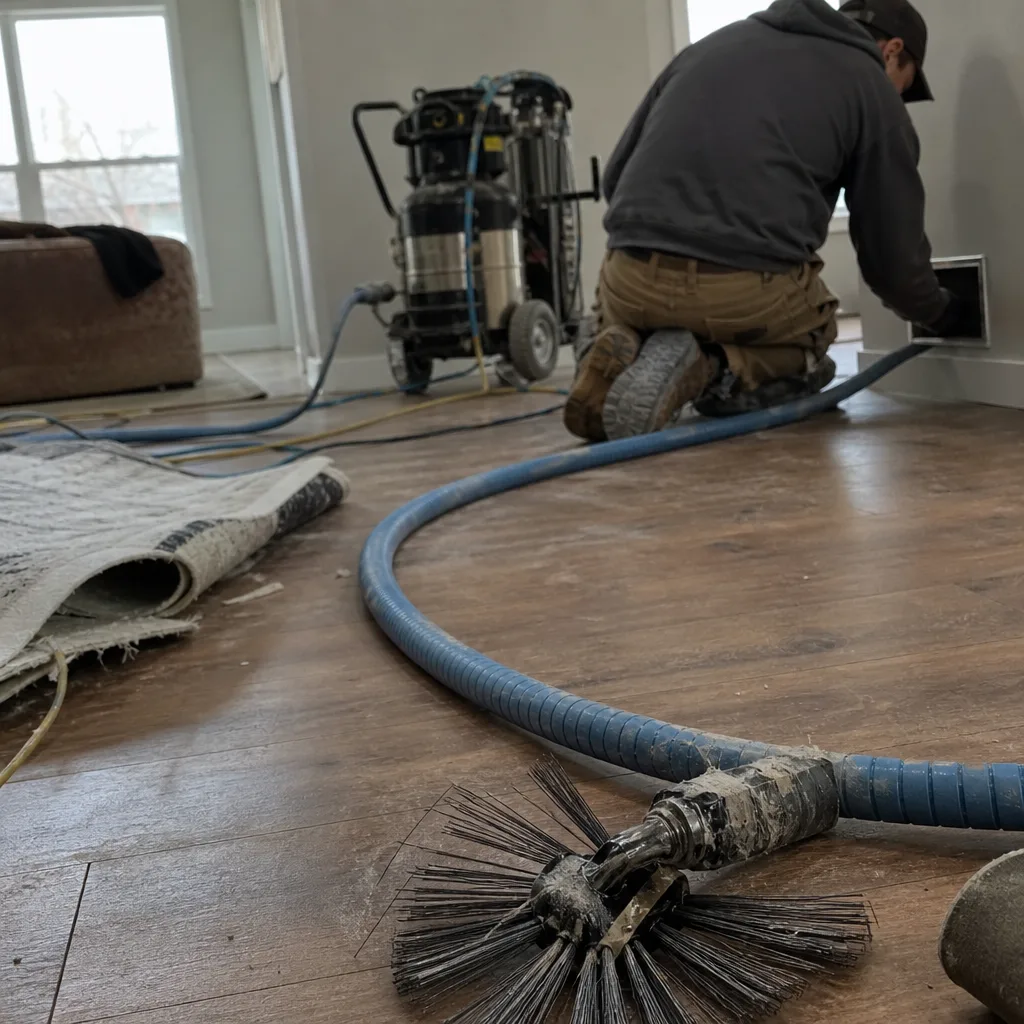 Before
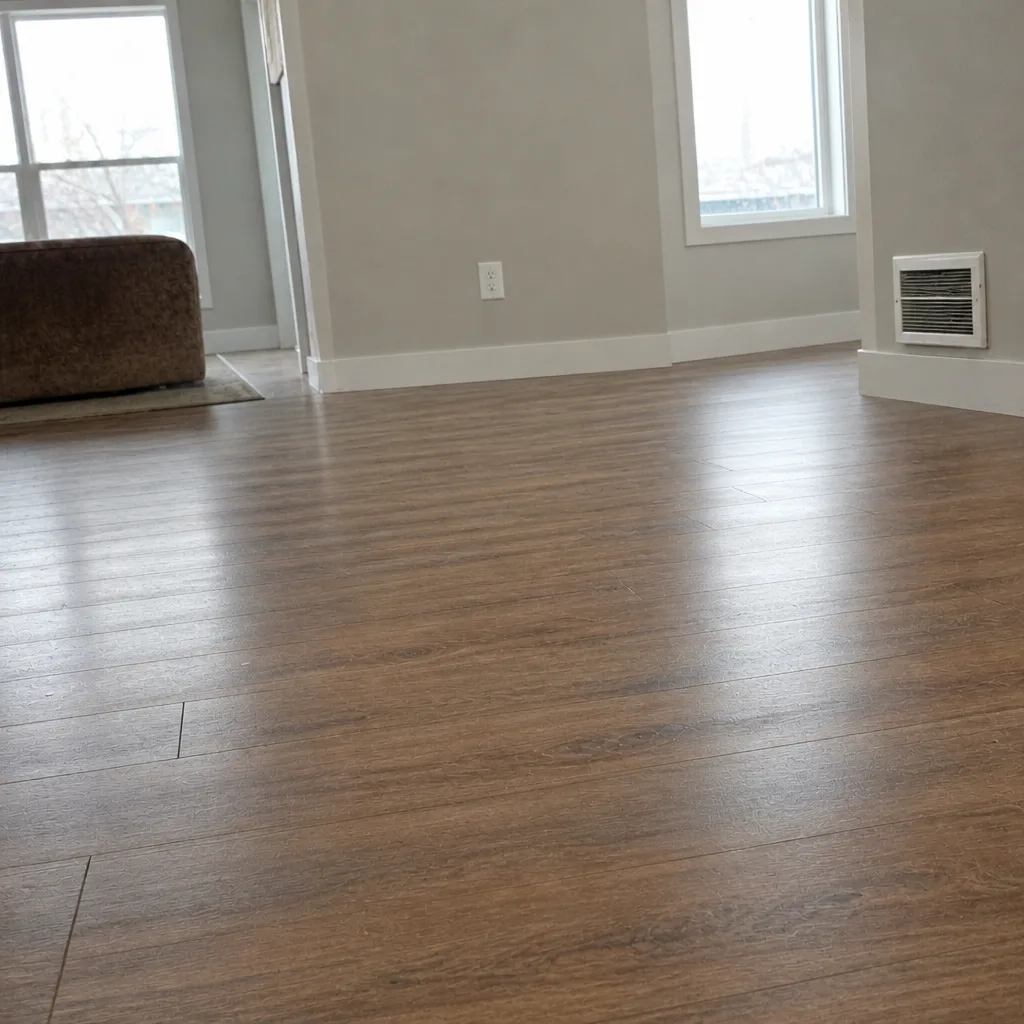 After
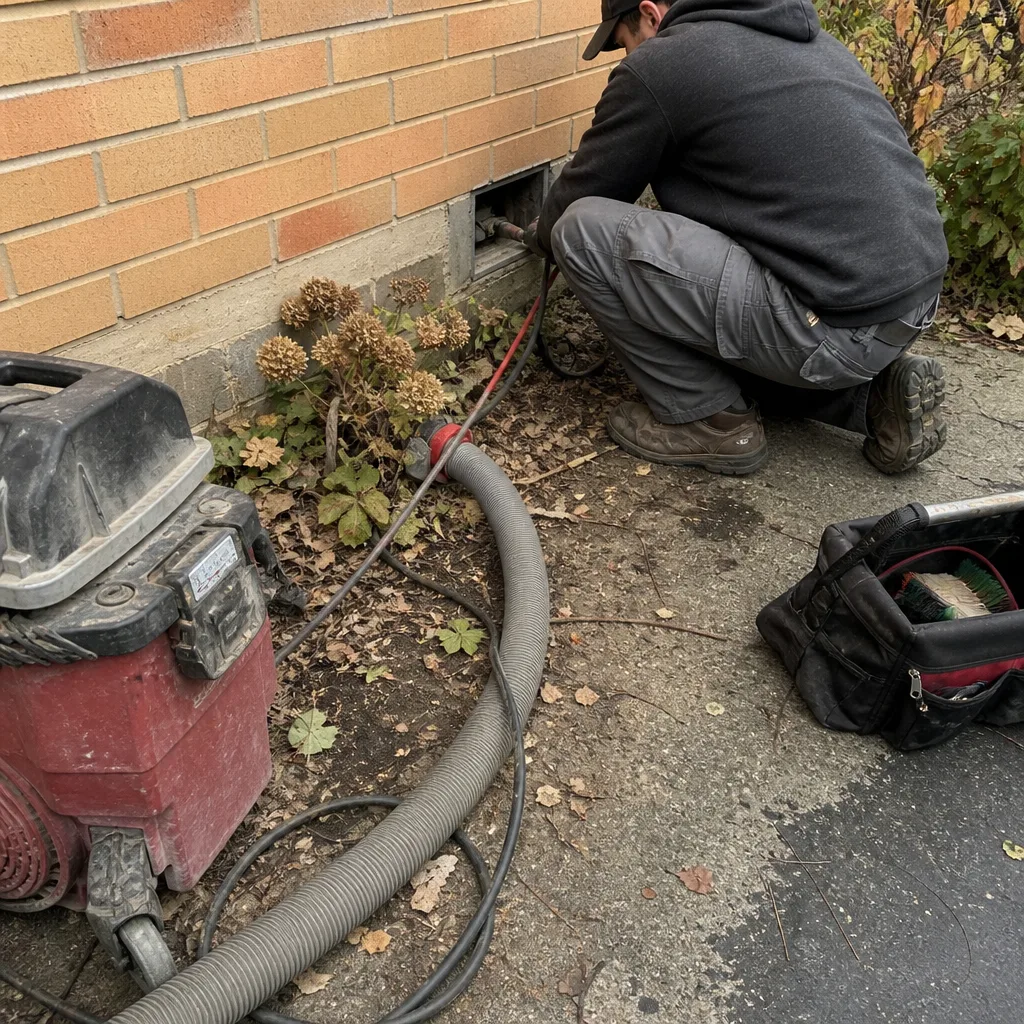 Before
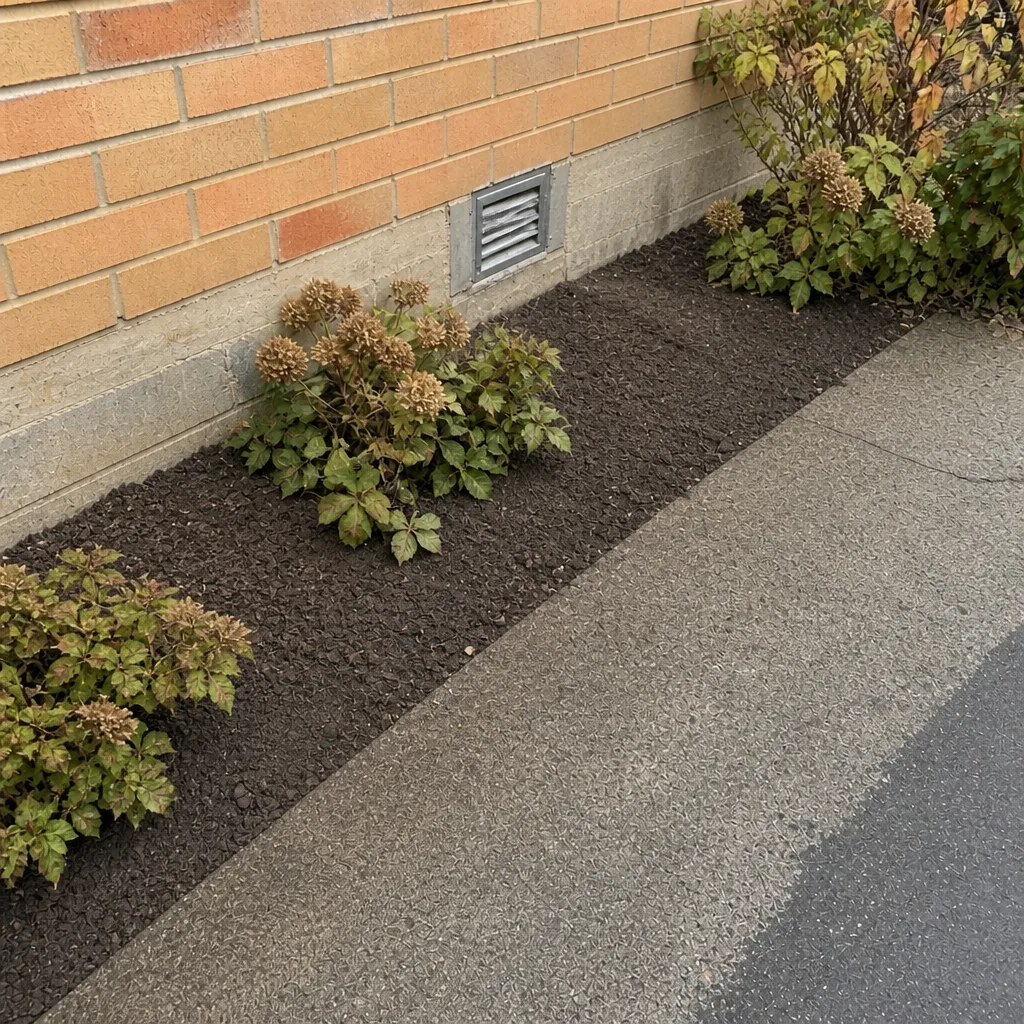 After
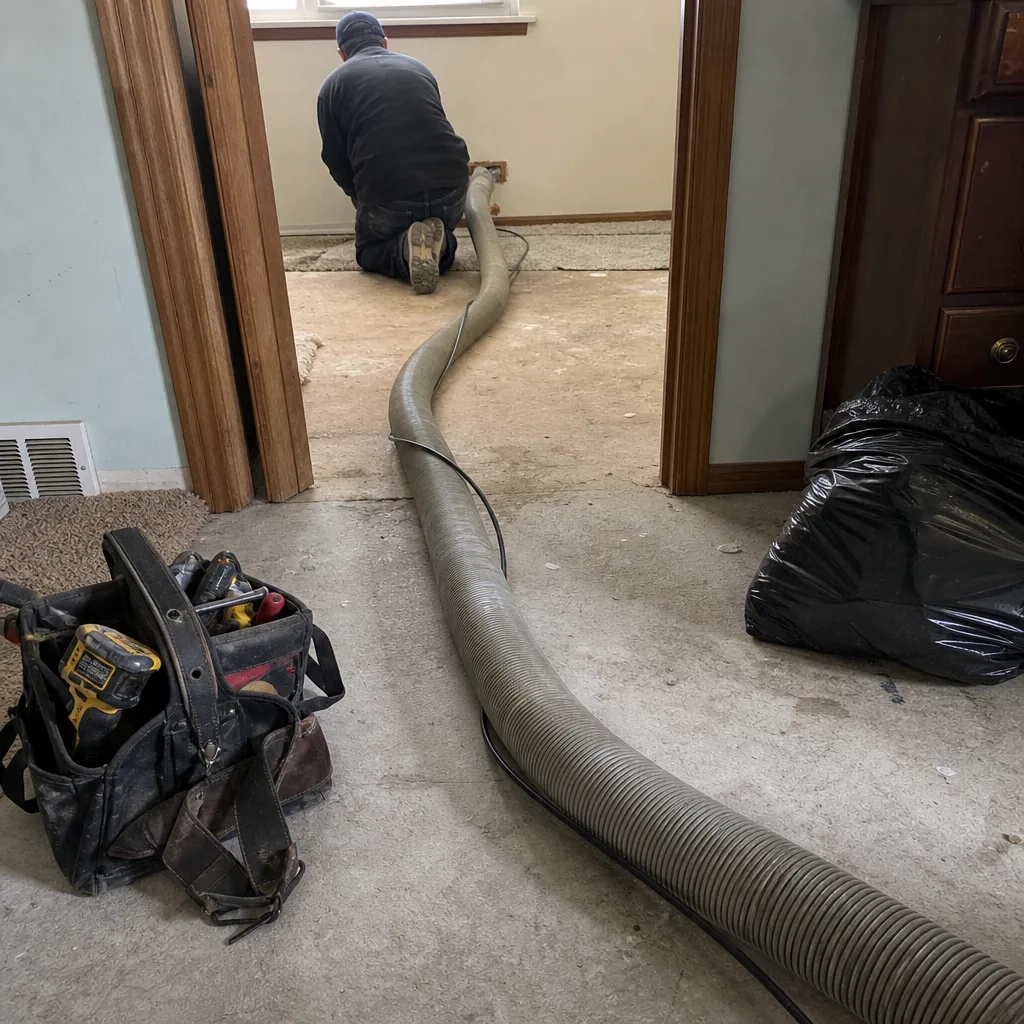 Before
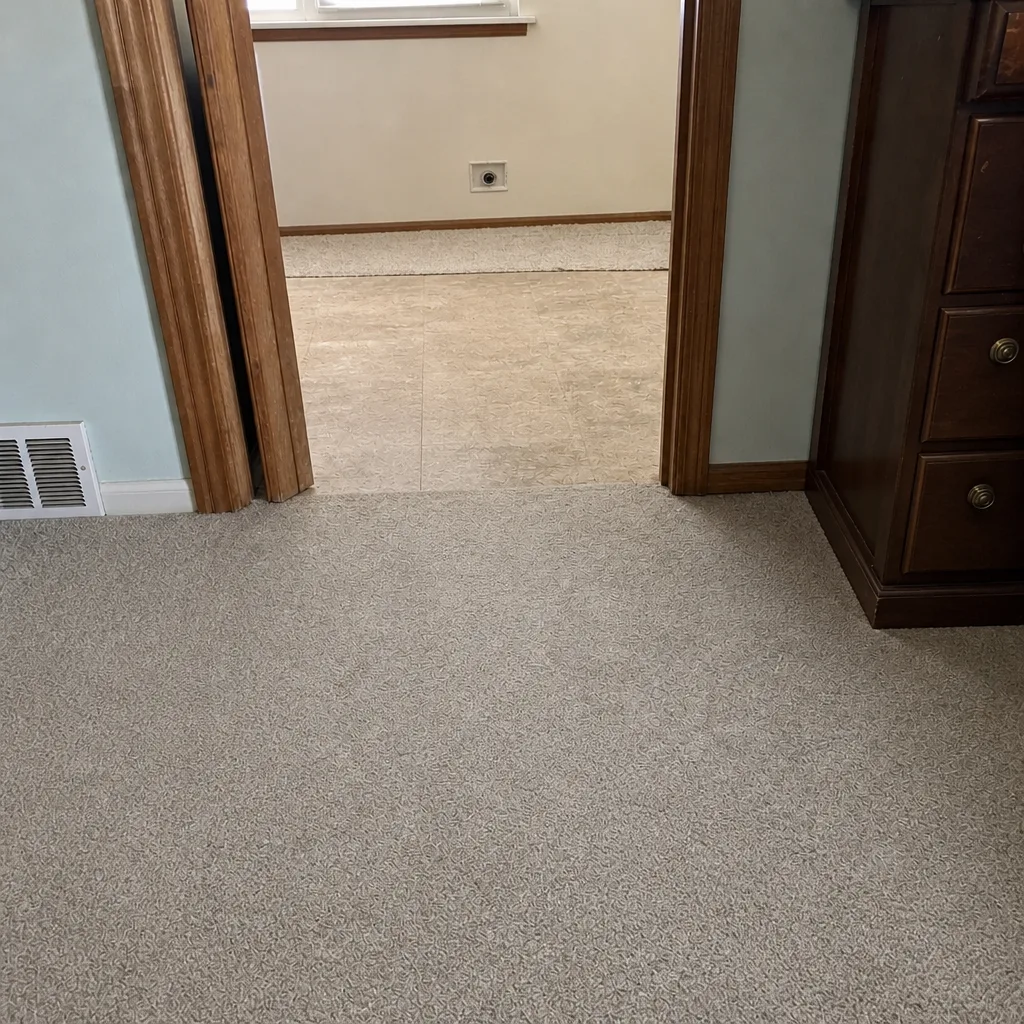 After
When to Call a Professional
Some signs in Riverton homes call for a professional look rather than another filter change. You notice visible dust streaking from a register, or a musty or stale smell that returns shortly after you clean the house. You find a buildup of dust on the return grille within days of vacuuming. You’re moving into a home and don’t know when the ducts were last cleaned, or the previous owner had pets. Your HVAC system runs longer than it used to and you’ve noticed uneven airflow from room to room, which can point to a leaky or disconnected duct rather than the equipment itself. A member of the household has started reacting to indoor air more than before, and a cleaning is on the table. In each of these cases, a professional can diagnose what’s actually happening in the system instead of guessing at it, and our technicians have up to 9 years of experience with the equipment to do it. Riverton Air Duct Cleaning offers free estimates in Riverton – call (844) 569-6963. We answer 24/7. Fast dispatch from 7am to 7pm, Sunday through Friday.
Frequently Asked Questions
For a typical single-family home in Riverton, a full-system cleaning generally runs $350 to $750 in 2026, and a larger or multi-zone system can run $700 to $1,100. The number depends on register count, duct linear footage, and whether sanitizing or repairs are added. Call (844) 569-6963 for an exact quote – estimates are free.
Cheaper quotes are usually cheaper because something was removed from the scope: the returns, the trunk line, the air handler, or the equipment quality. A company using a shop vac instead of a professional negative-pressure vacuum can quote lower by doing less. Ask what equipment shows up and what the price covers, then compare.
No. Per-vent pricing is a pricing shortcut, not the professional standard. The professional approach is one flat price per system based on the actual scope of the job, agreed in writing before work begins. A company that understands your system quotes it as a whole, not as a register count.
Ask for before-and-after photos of your own ducts, and watch where the debris goes. Source-removal cleaning with a proper vacuum captures what’s loosened and shows it to you. If a company can’t show you the interior of your ducts before and after, you have no way to confirm the work.
Every few years is typical for most homes, but the real interval depends on your household: pets, recent renovations, and a home with a smoker or allergy sufferers may call for more frequent cleaning. A system that’s actively contaminating itself through leaky ducts needs repair before a regular schedule makes sense.
Crawlspace duct access, flex duct in poor condition that needs repair before cleaning, homes with both gas and evaporative systems, and post-fire or post-flood remediation scope all raise the price. These are real scope differences, not upcharges. Call (844) 569-6963 for an exact quote – estimates are free.
The Bottom Line
A duct cleaning price is a number you can’t judge without the scope behind it. Register count and linear footage drive cost far more than square footage, especially in Riverton’s older split-level homes. A professional quote itemizes what’s covered, names the equipment, and locks in one flat price per system before work starts. Per-vent pricing is a shortcut that rewards grille count and often skips the returns and the air handler. The $150 cleaning usually costs more over eighteen months than the $450 job because the dust never left. And in Riverton, crawlspace access, compromised flex, dual systems, and remediation scope are the honest reasons a quote comes in higher. Read the scope, ask about Rotobrush, Nikro, and Abatement Technologies, and insist on before-and-after photos.
If you’d rather spend fifteen minutes on the phone with a team that can explain what your system actually needs, we’re here. Call (844) 569-6963 for a free estimate. We answer 24/7. Fast dispatch from 7am to 7pm, Sunday through Friday. Our technicians have up to 9 years of experience, and we’ll show you what we found before we recommend a thing. Learn more about Riverton Air Duct Cleaning.
Written by the team at Riverton Air Duct Cleaning.